Bones and the Cardiovascular System: Why Vitamin K2 Is Much More Than Just a Supplement to Vitamin D3
K2? Isn’t that just some add-on to vitamin D? If that’s all you knew about it until now: Welcome to the club! Almost everyone overlooks this fat-soluble nutrient at first. But while it feels like everyone is talking about the “sunshine vitamin,” vitamin K2 gets significantly less attention. Yet it’s worth pulling this nutrient out from the shadow of its famous partner and taking a closer look.
After all, K2 can do far more than just appear alongside vitamin D3 on the ingredient list of dietary supplements. Especially when it comes to bone and cardiovascular health, this nutrient is a pretty fascinating topic. In the following article, we’ll show you what vitamin K2 actually is, what roles it plays in the body, where it’s found, and how you can best use it to your advantage.
What exactly is vitamin K2?
So, what exactly is this K2 we’ve been talking about all this time? In fact, vitamin K isn’t a single substance, but belongs to an entire group of fat-soluble compounds. The best known are vitamins K1 and K2. And although the two belong to the same family, they aren’t simply interchangeable. You’ll find K1 mainly in green vegetables like spinach or broccoli, and it plays a key role in normal blood clotting. K2, on the other hand, is produced primarily by microorganisms. That’s why you’ll find it mainly in fermented foods and some animal products.
And now it gets interesting: Vitamin K2 is particularly important for calcium metabolism. While calcium is essential for strong bones and teeth, it doesn’t simply find its way there on its own. Your body needs the right processes and proteins to make that happen. This is exactly where K2 comes into play! The vitamin contributes to the maintenance of normal bones and is involved in the activation of certain proteins that can bind calcium [1]. Put simply, K2 functions a bit like a navigation system for calcium: it can help your body direct the mineral to where it’s needed.

The Key Role of K2 in the Body: The Calcium Guide
So K2 has something to do with what your body does with calcium. But how exactly does it all work? To understand this, it’s worth taking a closer look at two rather important proteins: osteocalcin and matrix GLA protein (MGP). Both can only properly fulfill their functions once they’ve been activated by vitamin K [1]. It sounds pretty technical at first, but it’s actually easy to explain:
- Osteocalcin for the bones: This protein is produced by bone-forming cells and, after it’s activated (a process called carboxylation) it can bind calcium. This means it plays a role in the mineralization of your bones. In short: Osteocalcin helps deposit calcium where it’s needed for strong bones [1].
- Matrix Gla Protein (MGP) for the blood vessels: While osteocalcin is primarily associated with bones, MGP is found, among other places, in the walls of your blood vessels. In its activated form, it can inhibit calcium deposition, or vascular calcification, there [1]. And this is exactly where K2 becomes important for our cardiovascular system: Calcium deposits can affect the condition of the blood vessel walls. Vitamin K is also necessary here so that MGP can perform its function.
But what happens in the case of a vitamin K2 deficiency? If the body does not have enough vitamin K2 available, osteocalcin and MGP cannot be sufficiently activated and consequently perform their roles in calcium metabolism less effectively [1]. As a result, calcium may be lacking where we actually need it, for example, in the bones, while at the same time being deposited elsewhere, such as in the blood vessels. Sound paradoxical? The researchers who studied this phenomenon agreed and promptly gave it the fitting name “calcium paradox.” Vitamin K2 is therefore a key factor in ensuring that calcium is utilized properly in the body.
For whom is an adequate intake particularly important?
Of course, vitamin K2 isn’t a nutrient reserved for an exclusive club. Nevertheless, there are life stages and dietary habits where it’s worth taking a closer look at your intake. Perhaps you’ll recognize yourself in one of the following points:
Postmenopausal women: Menopause brings about significant changes in the body, and the bones are no exception. As estrogen levels drop, bone metabolism changes, and bone mass can be lost more rapidly [1]. This makes it all the more important to keep an eye on bone health and the nutrients relevant to it.
Older adults: Unfortunately, our bones don’t stay 20 forever. Over the years, bone structure changes and bone density can also decrease. This is a good reason not to lose sight of bone-related nutrients even as we age.
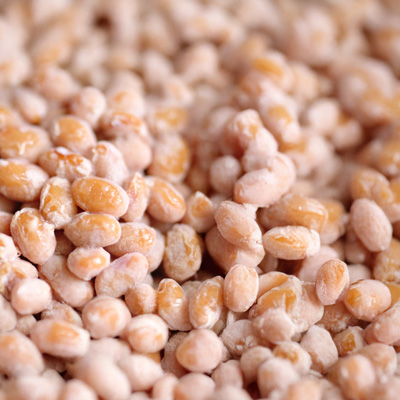
People who rarely eat fermented foods: Be honest: How often do you have natto for breakfast? Probably not very often. People who eat few fermented foods and animal products consume correspondingly less vitamin K2. So it’s definitely worth taking a look at your own diet.
People who take vitamin D3 supplements: Anyone taking vitamin D3 should also be familiar with vitamin K2. That’s because both vitamins play a role in an important process in the body: calcium metabolism. We’ll take a closer look at exactly what that entails in a moment.
Children and adolescents: Growing up is hard work for the bones. After all, the body has to build a great deal of new bone mass in a relatively short time. To do this, it needs a balanced supply of various nutrients. In addition to calcium and vitamin D, vitamin K also plays a role in maintaining normal bones [2].

Which foods contain vitamin K2?
So now we know what K2 does in the body. The only question left is how we actually get enough of it on our plates. It’s not quite that simple, because vitamin K2 is rather rare in our Western diet.
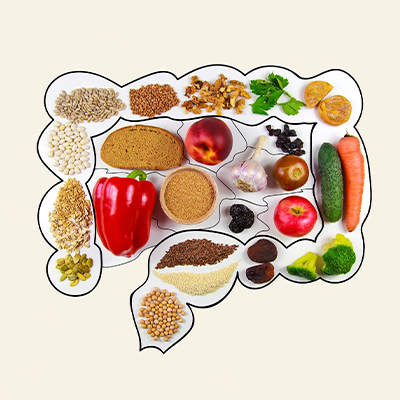
The reason for this lies in how it’s produced. Vitamin K2 is primarily produced by certain bacteria and is therefore found mainly in fermented foods and some animal products. Bacteria in our gut can also produce menaquinones. However, the extent to which these contribute to our vitamin K intake has not yet been conclusively determined [1]. This makes it all the more interesting to look at what actually ends up in our bodies.
An Overview of the Best Natural Sources of K2
Food |
K2 Content & Special Features |
Natto (fermented soybeans) |
When it comes to K2, there’s hardly any way around natto. This traditional Japanese dish is one of the foods particularly rich in K2 and primarily provides the MK-7 form. However, its taste and texture take some getting used to. |
Aged cheese, e.g., Gouda or Emmental |
Bacteria are at work here, too: Various forms of vitamin K2 are produced during the aging process. The amount present depends, among other things, on the type of cheese and the manufacturing process. |
Egg yolks |
There’s also some vitamin K2 hidden in your breakfast egg. The amounts present can depend, among other things, on how the animals are raised and fed. |
Butter and dairy products |
Animal dairy products can also contain vitamin K2. However, the actual content varies depending on the product and manufacturing process. |
Sauerkraut and kimchi |
Fermentation is key! Fermented vegetables can also contain vitamin K2. However, they generally don’t come close to the amounts found in natto. |
Meat and organ meats |
Animal-based foods such as meat, and especially certain organ meats, can also provide various menaquinones. The amounts vary significantly depending on the food. |
So, if you want to get vitamin K2 from your diet, you definitely have a few options. However, it’s not quite as simple as with K1 and your next plate of green vegetables. Especially with a strictly plant-based diet, the selection of natural K2 sources becomes significantly smaller. If you’re not a fan of natto either, you should keep a closer eye on your intake.
Why Vitamins K2 and D3 Go Hand in Hand
You’ll often see vitamins D3 and K2 packaged together on supplement labels. And no, that’s no coincidence. Although the two vitamins have very different functions, they converge on one crucial point: calcium metabolism, as mentioned above. Among other things, vitamin D contributes to the normal absorption and utilization of calcium, thereby ensuring that the mineral is available to the body [2].
And K2? As we now know, vitamin K helps maintain normal bones and is necessary, among other things, for the activation of osteocalcin and MGP [1]. So while vitamin D ensures that calcium can be absorbed and utilized, vitamin K is involved in processes that influence how the mineral is further processed. That’s exactly why D3 and K2 are so often considered together. Mystery solved!
Would you like to combine the two in your daily life as well? In our guide “Vitamin D3 & K2 Routines,” we’ll show you what’s important when taking them and how you can easily integrate both vitamins into your daily routine.

K2 Deserves More Than a Supporting Role
From a supposed sidekick to vitamin D to a pretty exciting nutrient: Vitamin K2 definitely deserves more attention. Above all, its role in calcium metabolism and bone health shows why it’s worth keeping K2 on your radar. And the well-known combination with vitamin D3 now makes much more sense. So while K2 may be in the spotlight less often, that doesn’t mean it plays a purely supporting role!
Curious to learn more about this topic? Then take a look at our magazine:
- Playground strength & strong bones: calcium & vitamin K2 for little and big daredevils
- Calcium and vitamin D3: Why calcium alone is often not enough
- Support the circulation: With nattokinase and OPC
FAQ – Frequently Asked Questions
Is It Possible to Overdose on Vitamin K2?
While there is no officially established upper limit for vitamin K in healthy people, the German Federal Institute for Risk Assessment (BfR) recommends a maximum of 25 µg of K2 per day as a guideline for dietary supplements [3]. Therefore, when taking supplements, it’s best to simply always follow the recommended intake listed on the packaging.
When is the best time to take it?
Vitamin K2 is fat-soluble and is therefore best taken with a meal that contains some fat [1]. Whether you take it in the morning, at noon, or in the evening is less important.
Are there any side effects or interactions?
Special caution is advised when taking coumarin-type anticoagulants (such as Marcumar or warfarin), as vitamin K can reduce their blood-thinning effects [3]. If you are taking such medications, you should therefore definitely consult a doctor before taking vitamin K2.
MK-4 vs. MK-7: What’s the difference?
The two forms differ primarily in how long they remain active in the body: While MK-4 is broken down after just a few hours, MK-7 remains available in the body significantly longer, with a half-life of about 72 hours. This is why MK-7 is particularly common in dietary supplements [1].