Why Beta-Glucan Is Much More Than Just a Simple Dietary Fiber
Do you enjoy a warm bowl of porridge for breakfast? Congratulations! You’re already doing your body a world of good every day, probably without even realizing it. That’s because the simple oats on your spoon contain the plant compound beta-glucan. This natural ingredient is a true all-rounder for your health, requiring no expensive trends or complicated powders.
What makes it so special? This compound can do far more than just fill you up. By the way, it’s not only found in oats, but also in mushrooms and yeast, and is highly valued in nutritional research for its versatile properties. Let’s take a look together at exactly how beta-glucan works in your body, why it can so effectively support your well-being, and how you can easily incorporate it into your diet.
Beta-Glucan: A Very Special Dietary Fiber
To many people, the word “dietary fiber” initially conjures up images of hard-to-digest food, constipation, or an unpleasant feeling of fullness. For a long time, these plant compounds were even dismissed as useless “junk.” But nothing could be further from the truth! Dietary fiber is anything but superfluous for our bodies, and beta-glucan is a particularly fascinating example of this.
Beta-glucan is a type of soluble dietary fiber that plays a significant role in the digestive tract. As soon as it comes into contact with liquid, it binds large amounts of water and forms a gel-like mass. This slows down digestion somewhat: Food moves more slowly through the gastrointestinal tract, nutrients are absorbed gradually, and the feeling of fullness can last longer [1]. Pretty clever, right?

Where Can You Find Beta-Glucan?
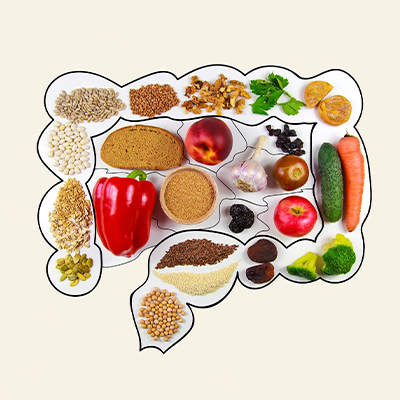
The great thing about it is that beta-glucan is pretty easy to incorporate into your diet. You might even be eating some of it regularly already. That’s because this dietary fiber is found in several foods that are already on many of our shopping lists:
- Oats & oat bran: Oats are one of the best sources of beta-glucan. Whether it’s classic rolled oats in muesli, tender oat bran in yogurt, or oat flour for baking, these foods pack a real punch.
- Barley: Barley is also a good source of beta-glucan. Pearl barley or barley groats, for example, work great in hearty soups or as an alternative to rice.
- Edible and medicinal mushrooms: Mushrooms like shiitake or reishi not only add flavor but also contain beta-glucans, though with different structures than those found in oats and barley.
- Brewer’s yeast and cultured yeast: Yeast is also naturally rich in beta-glucans. Yeast flakes, for example, can easily be sprinkled over salads or hot dishes.
- Algae: Certain types of algae, such as brown algae or the microalga Euglena gracilis, also contain beta-glucans, adding to the list of natural sources.
Good to know: How much beta-glucan actually ends up on your plate depends, among other things, on the specific variety, growing conditions, and processing methods [2].

The Many Benefits: How Beta-Glucan Can Help You
Beta-glucan has long been fascinating for more than just its role as a satiating dietary fiber. Researchers have also been taking a close look for years at exactly what this natural substance can do in our bodies. And here’s a hint: there’s quite a lot to it! However, the source of the beta-glucan and how much of it actually ends up in your body also play a role.
Cholesterol Levels & the Cardiovascular System
There’s been a lot of research on what beta-glucan from oats and barley can do for your cholesterol levels. Do you remember that gel-like substance from the first section? That’s exactly what comes into play here: In the digestive tract, it can bind to bile acids, which are then excreted. To produce new bile acids, your body draws on its own reserves and requires cholesterol to do so [3]. What we can officially confirm: Beta-glucans from oats and barley help maintain normal blood cholesterol levels [4].
Immune System
When it comes to the immune system, however, the focus is primarily on beta-glucans derived from yeast and fungi. This is because their chemical structure differs from that of the variants found in oats and barley. Research is examining, among other things, how these beta-glucans interact with various cells of our immune system [5]. This clearly illustrates that not all beta-glucans are created equal.
Blood Sugar Levels
And now back to our gel-like substance, because this particular property also plays a role in blood sugar levels. Beta-glucans from oats and barley can help keep the rise in blood sugar levels after a meal from being too steep. However, the amount is crucial: the positive effect occurs when a meal contains at least 4 grams of beta-glucans per 30 grams of available carbohydrates [6].
Gut & Microbiome
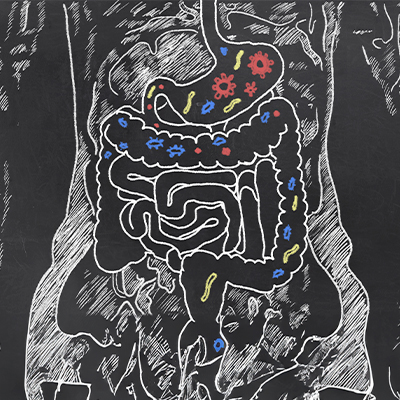
As a soluble dietary fiber, beta-glucan travels through your digestive tract until some of it eventually reaches the large intestine. And that’s where it becomes interesting for your gut microbiota: Certain bacteria can ferment beta-glucan and use it as a food source. This is precisely why researchers are intensively studying the potential influence of beta-glucans on the composition and activity of our microbiome [2].
Beta-Glucan in Skincare
Surprise! You’ll find beta-glucan not only in the kitchen, but also in your bathroom. That’s because this substance is now used in creams and serums as well. One of its most interesting properties is its ability to bind water. Research is therefore being conducted, for example, to determine what role beta-glucan can play in skin hydration and the skin barrier [7].

Which vitamins and nutrients pair well with beta-glucan?
Beta-glucan is making a name for itself in a wide variety of areas. But as is so often the case with nutrition, the same principle applies here: a single nutrient doesn’t make up the whole picture. Our bodies need many different vitamins, minerals, and other nutrients, each of which plays its own role. If you regularly consume beta-glucan, it’s therefore worth taking a look at these complementary nutrients:
Vitamin C: This well-known staple supports normal immune system function and can also help protect cells from oxidative stress [8].
Vitamin D: The “sunshine vitamin” also plays an important role in our immune system. That’s why it often receives special attention, especially during the months when there’s less sunlight [8].
Zinc & Selenium: These two trace elements also play an important role in supporting normal immune system function and protecting cells from oxidative stress [8].
Vitamin A: Among other things, vitamin A is important for maintaining normal mucous membranes. And, of course, these are also found in our digestive tract [8].
Probiotic cultures: And then there are our little gut residents. Live microorganisms are found, for example, in fermented foods like yogurt, kefir, or sauerkraut. Together with a varied, fiber-rich diet, they bring yet another important component into play [9].
As you can see, it doesn’t have to be about making a single substance the star of the show. What’s much more exciting is the interplay of a varied diet. And beta-glucan can be a part of that.
Daily Dosage & Tolerance: What Should You Pay Attention To?
Now, you might be wondering: How much beta-glucan should you actually take? There really isn’t a universal daily amount. The appropriate amount depends, among other things, on the source of the beta-glucan and what you hope to achieve by taking it.
For beta-glucans from oats and barley, however, there is a specific guideline: The positive effect on cholesterol levels is achieved with a daily intake of 3 grams of beta-glucan from oats, oat bran, barley, barley bran, or mixtures thereof [8]. So, you can already get a significant amount of this through your regular diet by eating foods rich in beta-glucan.
Are there any possible side effects?
Beta-glucan is a natural component of various foods and is consumed as part of a normal diet through the aforementioned oats, barley, or mushrooms. However, if you increase your fiber intake very quickly or take high-dose dietary supplements, your digestive system may need some time to adjust:
- Digestive Adjustment: As with other types of fiber, consuming a larger amount initially may cause bloating or a feeling of fullness. Therefore, it’s best to increase your intake gradually and make sure to drink plenty of fluids.
- Sensitivities & Allergies: If you’re sensitive to certain ingredients like yeast or mushrooms, or if you have an allergy to them, you should also pay close attention to the specific source when using beta-glucan products.
- Keep an eye on your medications: If you take medication regularly, you should consult your doctor before taking high-dose beta-glucan supplements. This is especially important if you’re taking medications to regulate your blood sugar or cholesterol levels [10].
So give your body some time to get used to a higher fiber intake, and always follow the recommended dosage when taking dietary supplements.
Curious about other topics? Then take a look at our magazine:
- Vitamin D3 vs. K2: Drops, capsules, or tablets?
- Strong defenses when the weather changes with rockrose, zinc and vitamin C
- Vitamin D deficiency in fall & winter: How your body sounds the alarm
- Understanding vitamin A: Why retinol matters for your eyes and skin
- The trace element selenium and its effects
FAQ – Frequently Asked Questions
When is the best time to take beta-glucan?
There’s no set time, so you can easily incorporate beta-glucan into your daily routine. The most important thing is to drink plenty of fluids when increasing your fiber intake.
Can you take beta-glucan every day?
Beta-glucan is a natural component of various foods and can generally be consumed daily as part of your diet. If you’re increasing your fiber intake, it’s best to do so gradually and make sure to drink enough fluids.
Is beta-glucan gluten-free?
Beta-glucan itself is not gluten; however, the source from which it comes is crucial. If you have celiac disease or gluten intolerance, you should therefore pay close attention to the labeling, especially on products made from grains.
What does 1,3/1,6-beta-glucan actually mean?
Don’t worry, the numbers are just chemistry: they describe how the individual glucose units of beta-glucan are linked together. 1,3/1,6-beta-glucans are found primarily in yeast and mushrooms and differ structurally from the beta-glucans found in oats and barley [2].
When is it a good idea to take beta-glucan as a dietary supplement?
A supplement can be useful if you want to specifically increase your beta-glucan intake and cannot get the desired amount from your regular diet. Be sure to check the source and beta-glucan content of the product you choose.
Can beta-glucan help with high cholesterol?
Beta-glucans from oats and barley have been shown to help maintain normal cholesterol levels when 3 grams are consumed daily [8]. If your cholesterol level is already high, you should consult a doctor to determine the cause and discuss appropriate measures.
[1] https://pmc.ncbi.nlm.nih.gov/PMC4757923
[2] https://pmc.ncbi.nlm.nih.gov/PMC10198134
[3] https://pmc.ncbi.nlm.nih.gov/PMC5810204
[4] https://efsa.onlinelibrary.wiley.com/2010.1885
[5] https://pubmed.ncbi.nlm.nih.gov/17895634
[6] https://efsa.onlinelibrary.wiley.com/2011.2207
[7] https://www.sciencedirect.com/S0144861723007944
[8] https://eur-lex.europa.eu/32012R0432
[9] https://pmc.ncbi.nlm.nih.gov/PMC7925329
[10] https://www.researchgate.net/Dietary_fiber_and_its_interaction_with_drugs