Diet for osteoarthritis: Which foods and nutrients can help
Whether it’s climbing stairs effortlessly with full shopping bags or taking a spontaneous walk after work: We only realize how much freedom comes from smooth movement when our body suddenly starts to ache. Our daily lives put a lot of strain on our joints, but fortunately, there’s a super simple way to give them something valuable in return.
With delicious food and the right nutrients, you can give your body exactly the support it needs right now. Without any strict diet rules, you’ll learn here which foods help reduce inflammation, how specific nutrients can support you in your daily life, and how you can gradually regain your sense of ease.
What is osteoarthritis and how does it affect the joint??
You may be familiar with this: You’re sitting comfortably on the couch, want to stand up, and your knee feels stiff as you take your first few steps. This typical “start-up” pain is one of the first symptoms that osteoarthritis can present in everyday life. Pain during activity, feelings of stiffness, or a noticeable grinding of cartilage in the joint are also classic signs [1].
This is usually caused by the layer of cartilage between your bones, which gets a little thinner over time. As this protective cushioning gradually wears away, the bones rub against each other more directly, which can then manifest as that stiff feeling or pain.
By the way, the causes vary widely. Sometimes it’s simply a normal part of aging, but other times past injuries, genetic predisposition, or improper strain on the joints also play a role [1]. And even though worn-out cartilage unfortunately doesn’t just regrow on its own, there’s actually a surprising amount you can do in your daily life to support your joints.
Why your diet makes a real difference when you have osteoarthritis
Now that we’ve looked at what happens inside the joint, you might be wondering why diet, of all things, plays such a big role. Quite simply, because your body uses the very nutrients you provide it with every day to nourish your joints and keep silent inflammation in the tissue in check. So what ends up on your plate has a surprisingly big impact on your well-being and can noticeably support your musculoskeletal system in several ways.

Foods under the microscope: What’s good for your joints and what strains them
So you know exactly what matters, let’s take a closer look at the individual food groups. This is by no means about strict deprivation. Rather, you’ll gradually swap out inflammation-promoting ingredients for nutrient-rich alternatives.
Foods you should limit if you have osteoarthritis
Some foods promote inflammation in the tissues. If you cut back on these foods in your daily diet, you’ll noticeably relieve your body [2]:
- Sugar & refined carbohydrates: White flour products, sodas, and sweets cause your blood sugar levels to spike quickly. This promotes the production of substances in the body that fuel inflammation in the joints.
- Red meat & processed meats: Pork, beef, and lamb are rich in arachidonic acid. The body uses this fatty acid to produce inflammatory messengers.
- Processed foods & unhealthy fats: Processed foods, highly processed snacks, and fried foods contain saturated fatty acids, which can exacerbate inflammatory processes in the body and put strain on the joints.
- High-fat dairy products: Foods high in cheese or cream also contain arachidonic acid, which is why it’s best to consume them in moderation.
Anti-inflammatory foods: These foods should be on your plate more often
At the same time, there are many nutrient-rich foods that can support your joints [3]:
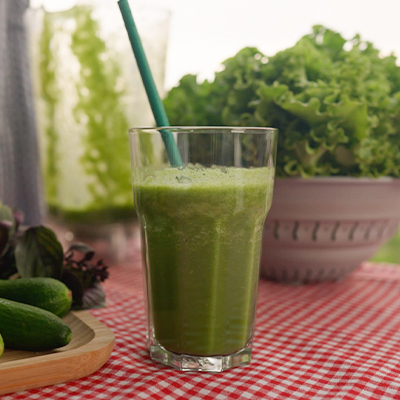
- Colorful vegetables & berries: The more vibrant the color, the more phytochemicals they contain. Broccoli, spinach, red cabbage, and dark berries provide valuable antioxidants.
- High-quality plant oils & nuts: Flaxseed oil, hemp oil, walnuts, and almonds are rich in alpha-linolenic acid (a plant-based omega-3 fatty acid) and vitamin E.
- Fatty ocean fish: Salmon, mackerel, and herring provide valuable EPA and DHA fatty acids, which can reduce inflammation.
The right beverages: Fluids as natural cartilage protection
Your joint cartilage consists largely of water. It needs sufficient fluid to remain elastic and effectively absorb shock with every step. If the cartilage lacks water, it loses its elasticity and wears down more quickly.
- Water: At least 1.5 to 2 liters of still water or tap water is a very good foundation for your day.
- Unsweetened herbal teas: Teas containing stinging nettle or horsetail can help support kidney function as a preventive measure [4].
- Green tea: The plant compounds it contains (especially EGCG) have cell-protective properties [5].
- Avoid: You should avoid sweetened juices, soft drinks, and excessive alcohol, as they dehydrate the body and promote inflammation.

When additions make sense
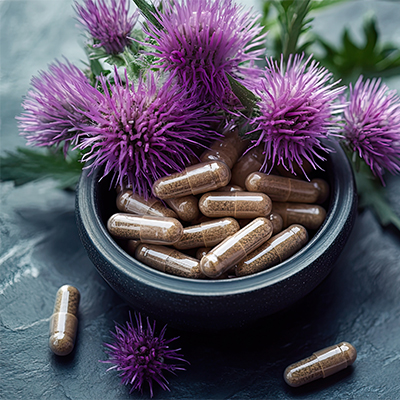
In the hustle and bustle of everyday life, it’s not always easy to get all the essential nutrients from food alone. High-quality supplements can provide valuable support in such cases:
- Glucosamine & Chondroitin: Both of these substances occur naturally in cartilage and joint fluid. They are often taken together to directly nourish cartilage tissue [6].
- Green-lipped mussel: The extract from this mussel provides a unique combination of glycosaminoglycans (GAGs) and specific omega-3 fatty acids [7].
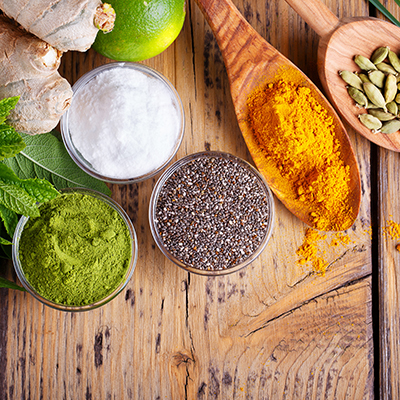
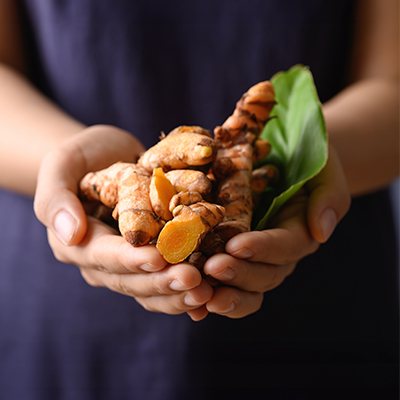
- Herbal extracts: Ingredients from turmeric (curcumin), ginger, or frankincense are traditionally used to gently counteract inflammation in the body [8].
When choosing a product, look for high quality without unnecessary additives and follow the recommendations on the packaging. Taken with a little water right with your meal, your body absorbs the nutrients particularly well if you just give it a little time.
Plant power: Vegetarian & vegan diets for osteoarthritis?
A plant-based diet is really good for your joints! Thanks to the high levels of fiber, antioxidants, and plant-based protective compounds it contains, inflammation markers in the blood can drop noticeably [3].
If you follow a completely vegan diet, it’s best to make sure you’re getting enough of important nutrients like vitamin B12, iron, and omega-3 fatty acids. High-quality algae oil, for example, is a good source of the beneficial fatty acids EPA and DHA.
How to make it part of your daily routine
Taking care of your joints is an ongoing process that takes some time. With these simple ideas, you can ease into your new routine:
- Small steps: For example, gradually swap out your white roll in the morning for oatmeal with fresh berries and walnuts.
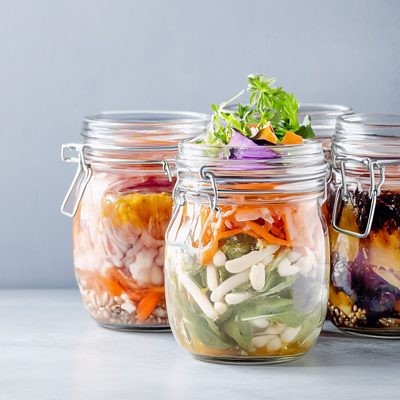
- Take advantage of meal prep: If you prepare larger batches of vegetable stews, lentil dishes, or quinoa in advance, you’ll have a healthy meal ready to go during your lunch break and will be less likely to reach for ready-made meals.
- Be patient: Cartilage isn’t directly supplied by the bloodstream and, due to metabolic factors, tends to work rather slowly. So give your dietary changes or supplements 2 to 3 months to take effect [6].

Your path to more ease in everyday life
A joint-friendly diet doesn’t have to be complicated or involve strict restrictions. Every little step counts. As you gradually incorporate more colorful vegetables, healthy fats, and plenty of fluids into your daily routine, you’re giving your body exactly what it needs for good mobility.
Pay close attention to your body, give your tissues some time to adjust, and enjoy the great feeling of doing something good for yourself every day!
Curious to learn more about joints? Then take a look at our magazine:
- Glucosamine and chondroitin – the key to healthy joints
- Joint pain in men? The upgrade for everyday heroes: collagen, MSM, and glucosamine put to the test
- What is proline?
- Active and carefree through autumn: How frankincense (Boswellia) supports your joints
FAQ – Frequently Asked Questions
Do I have to give up meat completely if I have osteoarthritis?
No, of course you don’t have to become a vegetarian overnight. It’s perfectly sufficient to enjoy red meat a little less often and opt for colorful, plant-based alternatives more often instead.
How are MSM (organic sulfur) and joint health related?
Organic sulfur is a natural building block of your cartilage and connective tissue. As a dietary supplement, MSM can be a great addition to your daily routine to specifically supply your joints with this nutrient.
What types of osteoarthritis are there?
Osteoarthritis can occur in any joint, but it is particularly common in the knees, hips, hands, or spine [2]. A distinction is usually made between cases where the cartilage deteriorates due to the normal aging process and those where it is compromised by previous injuries or improper strain.
How is osteoarthritis diagnosed?
First, your doctor will discuss your specific symptoms in everyday life and check the range of motion in your joints. A subsequent X-ray will then quickly show how well the protective cushion between the bones is still intact.
What can I do to relieve osteoarthritis symptoms right away?
Gentle, steady movements help keep your joints flexible and provide the tissue with everything it needs. Combined with soothing heat or cold, this is a simple way to get quick relief in your daily life [9].
Is osteoarthritis the same as rheumatism?
No, these are two different conditions. While osteoarthritis is primarily caused by the gradual breakdown of cartilage, rheumatism—or rheumatoid arthritis—is an inflammatory disease in which the body’s own immune system attacks the joints.
[1] https://www.stiftung-gesundheitswissen.de/arthrose/kniearthrose
[2] https://www.aok.de/pk/magazin/ernaehrung/gesunde-ernaehrung/ernaehrung-bei-arthrose-diese-lebensmittel-helfen-gegen-schmerzen/
[3] https://www.barmer.de/gesundheit-verstehen/leben/ernaehrung/entzuendungshemmende-lebensmittel-1370658#Antientzu00FCndliche_Ernu00E4hrung-1371172
[4] https://www.kloesterl-apotheke.de/blog/tipps-fuer-eine-gesunde-niere/
[5] https://www.aok.de/pk/magazin/ernaehrung/lebensmittel/gruener-tee-wirkung-risiken-fuer-die-gesundheit-und-zubereitung/
[6] https://www.pharmawiki.ch/wiki/index.php?wiki=Glucosamin
[7] https://www.pharmawiki.ch/wiki/index.php?wiki=Gr%C3%BCnlippmuschel
[8] https://www.pharmawiki.ch/wiki/index.php?wiki=Kurkuma
[9] https://www.rheuma-liga.de/rheuma/krankheitsbilder/arthrose