What OPC can do for your well-being
Between work, family, and the everyday chaos of life, there’s often little time to think about the complex processes going on inside the body. Yet while we go about our daily lives, our bodies are constantly under strain. Whether it’s deadline pressure, intense sun exposure, or external environmental factors, our biological systems face numerous challenges every day.
You may have heard of free radicals in this context. These are unstable particles that occur naturally during metabolism. To maintain a healthy balance, the body relies on their natural antagonists: antioxidants [1]. One of the plant compounds that has been gaining increasing attention in recent years is OPC. Find out here why pine bark extract, in particular, is valued as a high-quality addition to your daily routine.
Understanding the biochemistry of plant compounds
What exactly is OPC?
The abbreviation OPC stands for oligomeric proanthocyanidins [2]. This describes a group of natural plant compounds from the polyphenol family. Plants use these compounds primarily as a means of self-protection against external stressors such as UV light or pests. In nature, we find these compounds mainly in the skins, barks, and seeds, as this is where the plant’s resilience must be highest.
What sets pine bark apart
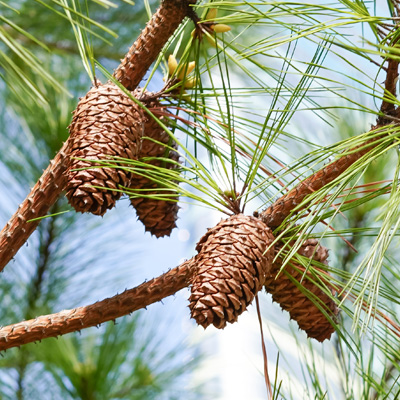
While many people immediately think of grape seeds when they hear “OPC,” pine bark extract is a source of at least equal quality. At vitaworld, we specifically rely on this extract because it contains a unique profile of accompanying compounds that can enhance bioavailability in the human body. Pine bark extract provides a complex of organic acids and flavonoids found in this specific composition only in the bark of the maritime pine [3]. It has been valued for decades because it is considered particularly pure and well-tolerated.
Maintaining balance in the body
How does an imbalance arise?
An imbalance in the body can occur when more free radicals are produced than the system can neutralize using its own mechanisms. Experts often refer to this condition as oxidative stress. The need for supportive resources can increase, particularly during periods of high physical stress, lack of sleep, or a very demanding lifestyle. Studies show that OPC has a very pronounced antioxidant capacity and can effectively complement the effects of vitamin C or vitamin E [4].
Synergies: Why OPC needs team players
When combined with vitamins, OPC has an interesting effect: it can help regenerate depleted vitamin C in the body, thereby supporting the body’s natural defenses for longer. For this reason, taking pine bark extract and vitamin C together as part of a daily routine is often recommended to optimize absorption [5]. It’s like a cycle in which the substances “reactivate” each other.
Support for active people and athletes
Our bodies are challenged not only at the office but also during sports. While physical exertion boosts metabolism, it also temporarily increases the production of metabolic byproducts.
Recovery and blood circulation
For people who enjoy being active, OPC can be a useful supplement. It is often used to support normal blood circulation and vascular elasticity [6]. Good microcirculation is essential for nutrients to reach the muscles efficiently and for recovery processes to proceed smoothly after exercise.
A companion during menopause
The “cosmetic” from within
Since OPC can support the stability of structures such as collagen fibers, it is often used to improve skin appearance. Collagen is the protein that gives our skin its firmness. When the skin becomes more susceptible to external influences during periods of change, OPC acts as a physiological partner for elasticity and moisture retention [5, 7].
Well-being and lightness in everyday life
There is also evidence that pine bark extract can gently promote well-being in cases of typical accompanying symptoms such as a heavy feeling in the legs [8]. The body’s general immune response can also be physiologically supported by the intake of plant compounds like OPC during demanding life phases [9].
OPC-rich foods: Power from nature
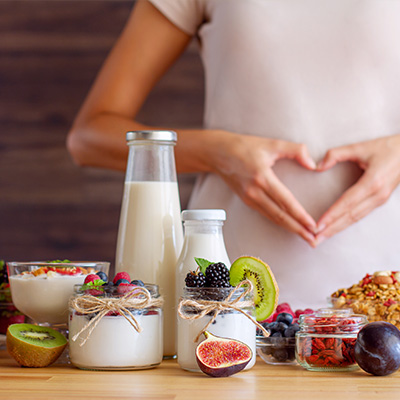
Before reaching for highly concentrated extracts, it’s worth taking a look at your diet. In nature, OPC primarily serves as protection for plants against UV light and pests, which is why it is often found in the outer layers (skins and seeds). By incorporating these foods into your daily routine, you support your basic nutritional needs:
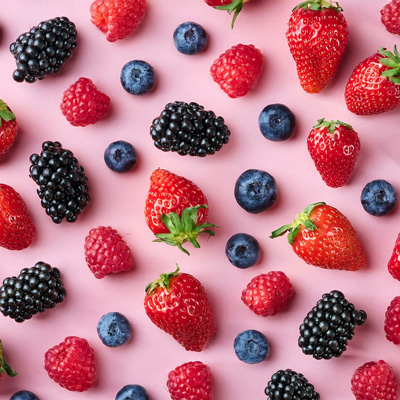
- Berries: Dark varieties in particular, such as blueberries, blackberries, cranberries, and black currants, are excellent sources.
- Grapes: Red and blue grapes are especially rich in nutrients, not only in the flesh but particularly in the seeds and skins.
- Nuts: Walnuts, hazelnuts, and almonds contain OPC, ideally, you should eat them with their thin, brown outer skin.
- Apples: Here’s the rule: Please don’t peel them! The valuable polyphenols are found right under the skin.
- Cocoa: Dark chocolate with a very high cocoa content is also a well-known source.
Tips for daily use
To help the OPC from pine bark unleash its full potential, a few simple tricks in your daily routine can make a difference. Plant compounds usually take time to exert their beneficial effects, which is why regular intake over several weeks is recommended.
Timing:
Many users prefer to take it about 30 minutes before a meal for efficient absorption. If you have a sensitive stomach, taking it right with a meal is also perfectly fine.
Combination Tip:
Be sure to take OPC along with a source of vitamin C (e.g., a glass of orange juice or a vitamin C capsule) to take advantage of the synergistic effect.
Fluids:
Also be sure to take the capsules with plenty of water to optimally support the body’s metabolism in distributing the water-soluble plant compounds.
Curious about other topics? Then take a look at our magazine:
- Heavy legs? How horse chestnut, vitamin C, and OPC can help naturally
- Supporting circulation: With nattokinase and OPC
- Hauterneuerung im Frühjahr mit Zink und OPC für ein strahlendes Hautbild
- Natural support for bladder health
- When your legs feel heavy: Focus on your vein health
FAQ – Frequently Asked Questions
What is the benefit of pine bark?
It is valued for its purity and the additional spectrum of natural accompanying polyphenols.
How much OPC is recommended?
Typical doses range from 100 mg to 300 mg of pure OPC, depending on individual goals.
Is OPC good for the skin?
OPC can help physiologically support the skin’s structure against external influences.
Are there any interactions?
It is generally very safe to take. However, anyone taking blood-thinning medications should briefly discuss its use with their doctor beforehand.
When should OPC not be taken?
It is not recommended for individuals with a known allergy to pine bark or grapes, or prior to upcoming surgeries. Since OPC can affect blood flow, consulting a doctor beforehand is necessary in these cases.
What do doctors say about OPC?
Medical professionals value OPC as an antioxidant that can support normal vascular function. However, they generally emphasize that plant-based substances can usefully supplement a balanced diet but can never replace it.
Who should not take OPC?
People taking blood-thinning medications should only use OPC after consulting a doctor. Consultation is also recommended for pregnant and breastfeeding women, as there are insufficient long-term studies available for these phases.
How does OPC affect mental health?
A direct effect on mental health has not been proven; however, supporting general well-being can contribute to improved mental resilience. Many users perceive a more stable metabolism as a positive factor in their daily lives.
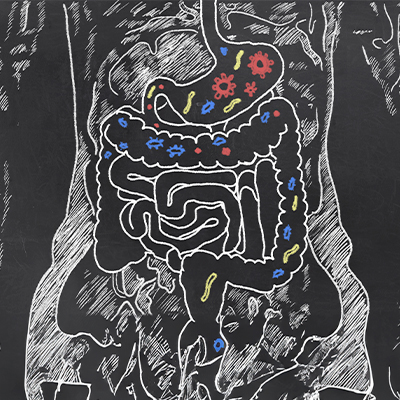
What effect does OPC have on the gut?
As an antioxidant, OPC can help support the gut lining’s natural defense against external stressors. As part of a gut-healthy diet, this can help maintain the digestive tract’s normal barrier function.
Does OPC help combat fatigue in the midst of a stressful family routine?
OPC is not a traditional stimulant, but it can support the body during stressful periods by mitigating oxidative processes. This can help you feel more resilient in your daily life overall.
Can OPC strengthen my children’s immune system?
Supplementation for children should always be discussed with a pediatrician beforehand. The safest way to support natural immune function is a diet rich in fresh fruits such as apples and berries.
Sources:[1] https://www.verbraucherzentrale.de/antioxidantien-helfer-gegen-freie-radikale
[2] https://www.vitalstoff-lexikon.de/Proanthocyanidine
[3] https://www.orthoknowledge.eu/pycnogenol-uberblick
[4] https://pubmed.ncbi.nlm.nih.gov/12074978
[5] https://www.online-fitness-academy.de/opc
[6] https://www.fitbook.de/wirkung-opc-nahrungsergaenzungsmittel
[7] https://www.elas-kosmetikshop.de/opc-ein-absoluter-geheimtipp-fuer-gesunde-schoene
[8] https://www.presseportal.de/6236805
[9] https://www.ferwer.com/opc-natural-support-for-health-and-immunity