Your body on carbs: The invisible key role of vitamin B1
Do you know those days when your energy is already running low as soon as you get out of bed and your nerves are on edge? We often blame mental stress or lack of sleep. But in the hustle and bustle of everyday life, we quickly lose sight of a fundamental pillar of our well-being: micronutrients. Vitamin B1 acts like an invisible spark in your body. Without this essential B vitamin, nothing runs in your cellular powerhouse, because it converts the carbohydrates from your food into tangible life energy [1].
This article takes you on a journey into the world of your energy metabolism. Below, you’ll learn what roles vitamin B1 plays in the body, what can cause a deficiency, what symptoms are commonly associated with it, and which foods are particularly rich in vitamin B1.
What is vitamin B1, or thiamine?
Behind the scientific name thiamine lies the absolute pioneer among the B vitamins: vitamin B1 was, in fact, the very first B vitamin that researchers ever discovered. This micronutrient is essential for your body. In plain language, this means your body can neither produce it on its own nor store it long-term for times of need [2].
Because thiamine is a water-soluble vitamin, it’s constantly passing through your system. While small amounts are stored temporarily in your liver, anything your body can’t immediately use for metabolism on the same day is excreted unused by the kidneys through urine [3]. For your daily life, this means your body relies on a continuous, daily replenishment from your dessert plate or breakfast table to keep your cells running.
What does your body actually need vitamin B1 for?
To even be able to put one foot in front of the other in your daily life, your body requires a steady supply of thiamine. This micronutrient plays a key role in maintaining daily communication within your system and supplying your most important organs with the energy they need [3]. Without this building block, your body would simply run out of steam. Let’s take a look at the three most important areas that relentlessly demand their share of vitamin B1 every day:
The nervous system: Your nerve pathways continuously transmit signals throughout your entire body. Vitamin B1 is essential for the error-free transmission of these electrical signals, ensuring that commands from the brain reach your muscles without delay [3].
Heart function: Your heart muscle pumps continuously every minute. To sustain this continuous mechanical effort, the organ consumes large amounts of cellular energy, the production of which is supported by thiamine [3].
Mental performance: Your brain also requires a lot of glucose for its daily activity. Your ability to concentrate, your emotional resilience, and your mental stamina are directly linked to balanced B1 levels [1, 3].

How does a thiamine deficiency develop?
In modern industrialized countries, a deficiency rarely results from a general food shortage but is primarily caused by changes in dietary habits. People who eat a diet consisting mainly of highly processed carbohydrates—such as white flour products, polished white rice, or refined sugar—provide their bodies with plenty of energy but fail to supply the micronutrients needed to metabolize these foods [1].
In addition, certain substances in luxury foods block their utilization by the body: Large amounts of coffee or black tea can interfere with the absorption of vitamin B1 in the gastrointestinal tract due to the tannins they contain.
These signs may indicate a deficiency
A deficiency often manifests itself in very nonspecific ways in everyday life at first. Typical warning signs include [1]:
- Persistent fatigue and sleep problems
- Difficulty concentrating and irritability
- Loss of appetite
- Tingling or burning sensation in the feet
- Muscle weakness
- Cardiovascular symptoms
Important: Since these symptoms can have many different causes, you should always consult your doctor if you experience persistent or severe symptoms.
Who is at increased risk for a vitamin B1 deficiency?
In everyday life, a thiamine deficiency usually occurs when absorption in the gastrointestinal tract is impaired, the body excretes the vitamin at an increased rate, or there is a sudden, significantly higher need during certain life stages. The following groups should therefore monitor their vitamin B1 status more closely:
- People who consume large amounts of alcohol: Alcohol severely impairs the intestine’s ability to absorb thiamine and also disrupts its storage and transport in the liver [1].
- Pregnant and breastfeeding women: The growth of the child and the subsequent production of breast milk lead to a measurable increase in the daily requirement for micronutrients [1].
- People with gastrointestinal disorders: Chronic inflammation or damage to the mucous membranes often prevents vitamins from entering the bloodstream properly [1].
- People with unbalanced dietary habits: Those who follow extremely restrictive diets or suffer from a loss of appetite due to eating disorders often provide their bodies with insufficient amounts of nutrients from the outset [1].
- Patients with certain pre-existing conditions: In cases of chronic kidney disease or regular use of diuretics, the body often excretes increased amounts of this water-soluble vitamin in the urine [4].
- People suffering from extreme, long-term deficiency (beriberi): A severe, months-long thiamine deficiency can lead to beriberi, a condition characterized by nerve damage or cardiovascular problems [1]. You can read all the key background information on this topic in our in-depth article on beriberi.

Foods rich in vitamin B1: Where is thiamine found?
If you skim through the list of at-risk groups, it quickly becomes clear: A deficiency can occur in the hustle and bustle of everyday life faster than you might think. But the good news follows right on its heels. Since thiamine is found in a whole range of everyday foods, managing your daily intake is wonderfully simple – without any bland aftertaste. Certain foods are naturally particularly rich in thiamine and are therefore ideal for consistently meeting your daily needs.
To help you specifically choose the right nutrient-rich foods to add to your shopping cart next time you go grocery shopping, here’s an overview of the best sources of thiamine [5]:
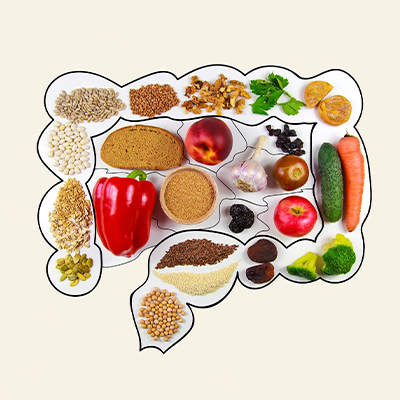
- Grains: rye bread, oatmeal, and brown rice
- Legumes: lentils, peas, and white beans
- Nuts & seeds: sunflower seeds
- Animal products: pork tenderloin, beef, and tuna
- Vegetables: asparagus, spinach, and potatoes
An important cooking tip for everyday life: Vitamin B1 is extremely heat-sensitive and doesn’t fare well when left to simmer in a pot for too long, as it is highly water-soluble. If you cook thiamine-rich foods for too long or with too much water, the nutrient content drops drastically. It’s best to cook vegetables briefly and gently by steaming them. You can also reuse the nutrient-rich cooking water directly in sauces or soups to elegantly capture the dissolved vitamins.
How much vitamin B1 your body needs for a daily energy boost
To ensure that the invisible spark in your system doesn’t go out, the German Nutrition Society (DGE) recommends a daily intake tailored precisely to your age, gender, and life stage. Since thiamine is closely linked to carbohydrate metabolism, your daily requirement depends largely on how much energy your body burns each day.
To save you the trouble of doing the math in your daily life, here’s an overview of the official guidelines for daily thiamine intake [2]:
- Men: Due to their generally higher muscle mass and greater energy expenditure, they need about 1.2 mg to 1.3 mg per day.
- Women: On average, they have a daily requirement of about 1.0 mg.
- Pregnant women: Since the baby’s development requires additional building materials, the requirement increases to 1.2 mg starting in the second trimester and to 1.3 mg in the third trimester.
- Breastfeeding women: Due to breast milk production, the requirement increases slightly once again to 1.3 mg per day.
When to seek medical advice
First, the good news: In most situations, you can easily meet your thiamine needs through a balanced, vitamin-rich diet. However, if your energy levels remain consistently low despite a healthy diet, it’s worth taking a closer look. Since a deficiency often hides behind everyday fatigue, only a thorough blood test can provide real certainty.
At the very latest when neurological warning signs, such as persistent tingling or numbness in the feet, as well as sudden unsteadiness while walking, appear, a visit to the doctor’s office is essential. Even in cases of an irregular heart rhythm, unexplained water retention, or a known chronic gastrointestinal condition, a detailed laboratory analysis by medical professionals provides absolute clarity. Such an examination takes the guesswork out of the equation. This way, you can get your body back on track in a targeted, safe manner, without risky self-experiments.
Curious to learn more about vitamins? Then take a look at our magazine:

FAQ – Frequently Asked Questions
What’s the best way to take vitamin B1?
Since your body can’t store vitamin B1 for long, it’s best to take it regularly throughout the day with meals [3]. This ensures you have an optimal supply at all times.
How is a vitamin B1 deficiency medically diagnosed, and what tests are required?
To diagnose a deficiency, the lab either measures the activity of a specific enzyme in your red blood cells or directly determines the thiamine level in your blood. Both tests reliably show your doctor whether you are deficient in this vitamin.
What is Wernicke-Korsakoff syndrome?
It is a severe brain disorder caused by extreme vitamin B1 deficiency – often triggered by chronic alcohol abuse. It leads to severe confusion, movement disorders, and irreversible, massive memory loss in those affected [1].
How quickly can a B1 deficiency be corrected?
Initial symptoms, such as heart problems or nerve tremors, usually improve within a few days with high-dose supplements [1]. However, if the nerves or memory have already been severely damaged over a long period, recovery can take months or, in the worst case, may be incomplete.
Sources:[1] https://www.msdmanuals.com/thiaminmangel
[2] https://www.dge.de/referenzwerte-thiamin
[3] https://www.verbraucherzentrale.de/vitamin-b1-thiamin-für-herz-und-nerven
[4] https://www.vitamindoctor.com/diuretika
[5] https://www.vitalstoff-lexikon.de/Thiamin-Vitamin-B1-Lebensmittel