L-glutathione: The master antioxidant against everyday stress
When was the last time your body got a real break from deadlines, constant multitasking, and not enough sleep? If constant stress is the rule rather than the exception in your schedule, you’ll eventually feel as drained as your smartphone battery on Monday night. This is exactly where glutathione comes in: a substance produced naturally by the body that’s so packed with protective power for your cells that scientists reverently call it the “master antioxidant” [1, 2].
In this article, we’ll explore why this molecular powerhouse can be the perfect wingman for your nutrient levels and recovery. Learn all about the concentrated power of glutathione, why oxidative stress saps your energy, and how you can replenish your stores without any stress through proper nutrition and everyday tips.
What is oxidative stress, and why does it affect us all?
Oxidative stress simply means that your body can no longer keep up with its own detoxification processes. Harmful oxygen particles actually arise naturally during completely normal activities like breathing or exercising, but your body normally has a built-in protective shield that immediately neutralizes these particles [3]. However, when too much everyday stress, lack of sleep, and unhealthy eating all come together, this protective shield becomes overloaded and the entire system is thrown out of balance. The harmful particles then gain the upper hand, overwhelm your immune system, and attack your cells. Something you often only notice gradually through constant exhaustion, deep fatigue, and much slower recovery after a strenuous day.
What’s behind glutathione
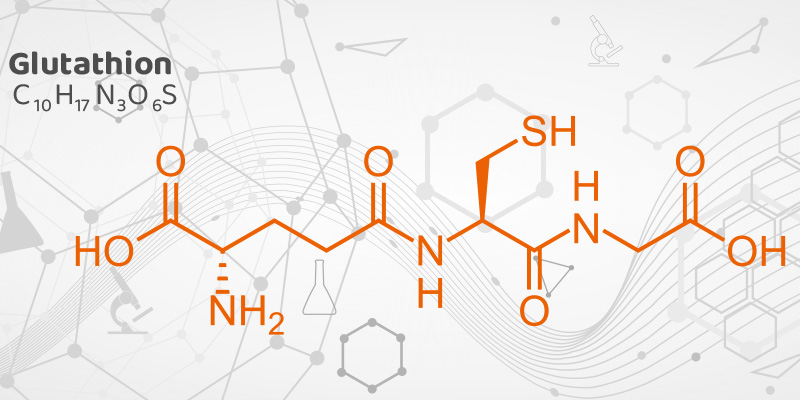
At first glance, glutathione might sound like a chemical cleaner from a lab, but it’s actually a tiny and extremely important tripeptide that your body produces all on its own in nearly every single cell from the three amino acids glutamic acid, L-cysteine, and glycine. For this natural protective shield to work properly, it must be in its active form, as it is only capable of directly intervening in your body’s processes in this state [2].
The main function of this substance is to protect your cells from harmful oxygen particles that are produced during times of stress. What makes it special is that glutathione not only neutralizes free radicals itself, but can also restore vitamins C and E to their active forms. In this way, it supports your cells’ natural defense mechanisms and helps protect them from oxidative stress, even during turbulent times [2].

The glutathione thieves: What depletes your reserves in everyday life
Your body actually continuously replenishes glutathione on its own to meet the cells’ needs. However, the body’s own reserves are limited and can be severely depleted by various everyday stresses. The following factors, in particular, cause the amount of glutathione in the body to drop rapidly:
Chronic stress and time pressure: Prolonged mental or physical stress leads to increased production of free radicals. This places greater strain on the body’s own glutathione and causes it to be depleted more quickly [4].
Lack of sleep: Nighttime is the body’s key period for recovery and repair processes. People who consistently get too little sleep or have restless sleep deprive their cells and liver of the time needed to replenish glutathione stores.
Alcohol: Breaking down alcohol places a heavy metabolic burden on the liver. To neutralize the resulting breakdown products, the liver consumes very large amounts of glutathione.
Unhealthy diet: A diet high in processed foods, unhealthy fats, and sugar does not provide the body with enough amino acids as building blocks. As a result, the body lacks the materials needed to produce new glutathione.
Replenish your stores: How to get your glutathione levels back on track
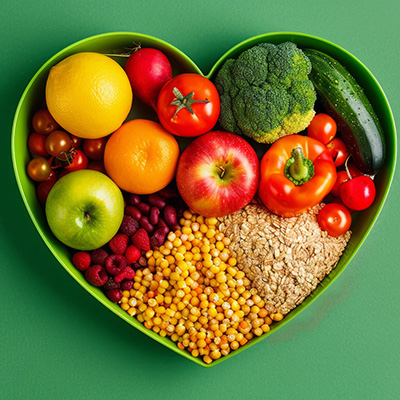
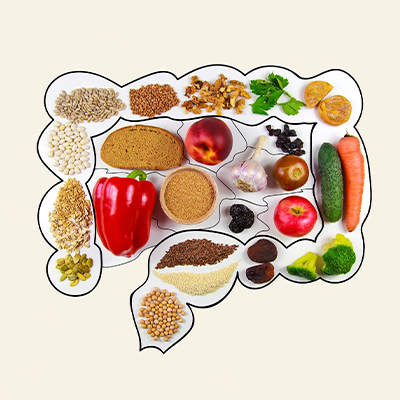
The good news is: You can easily help your body produce more glutathione again. With the right, varied diet, you can help your body rebuild its own defenses. The following foods are particularly important for you:
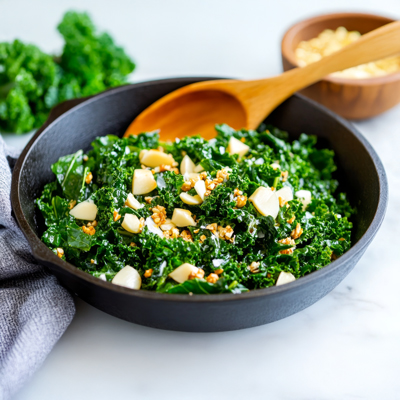
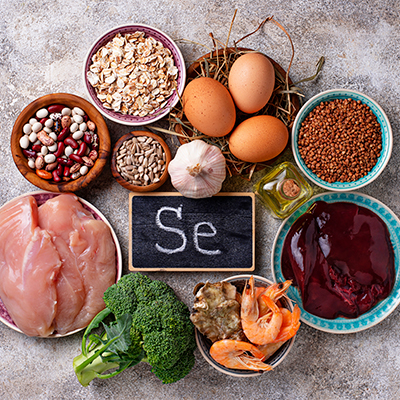
Sulphur-rich vegetables: Since glutathione requires sulfur for production, vegetables like broccoli, Brussels sprouts, and cauliflower are ideal [2]. Garlic and onions also provide exactly the right building blocks.
Good sources of protein: Your body needs protein to produce glutathione in the first place. The best sources are legumes, nuts, seeds, and lean meat.
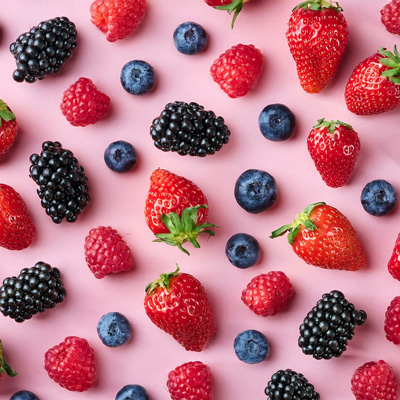
Foods rich in vitamin C: Vitamin C is one of the body’s most important antioxidants and works closely with glutathione [2]. Your best choices here are bell peppers, citrus fruits, and berries.
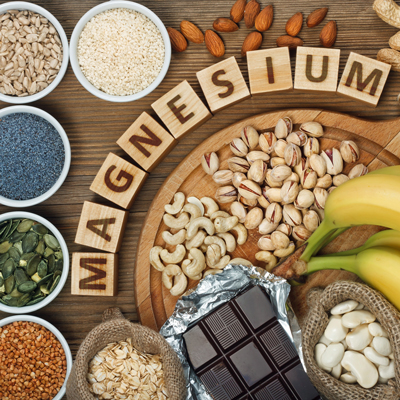
Minerals such as selenium and zinc: These nutrients support important protective and metabolic processes in the body. Selenium, for example, is found in Brazil nuts, while zinc is abundant in rolled oats and pumpkin seeds.
Healthy fats: Omega-3 fatty acids from flaxseed oil, walnuts, or algae oils provide important polyunsaturated fatty acids that support numerous processes in the body [5].

Capsules, powder, or liposomal: In what forms is glutathione available?
If maintaining a healthy diet doesn’t always work out in the midst of a stressful daily routine, or if your body has a harder time absorbing nutrients, perhaps due to stress, gastrointestinal issues, or advancing age, targeted supplementation is the simplest solution. You essentially have three common forms to choose from:
- Capsules: The hassle-free favorite for everyday use. They are tasteless and easy to dose.
- Powder: Offers maximum flexibility in dosing, though the natural sulfur content often makes the taste take some getting used to.
- Liposomal glutathione: A liquid form in which the active ingredient is encapsulated in tiny fat vesicles. The liposomal form protects the glutathione from premature breakdown and facilitates its absorption into the body [6].
No matter which form you choose, make sure to look for reduced L-glutathione when purchasing. This is the active form that is directly available to your body. Studies show that even a daily dose of 250 to 1,000 mg can increase glutathione levels [7].
Safety and tolerability: Who should exercise caution with glutathione
If you are pregnant, breastfeeding, or undergoing chemotherapy, you should definitely consult your doctor before taking glutathione. During these sensitive phases, the substance’s protective properties can influence the effectiveness of treatments or biological processes. During chemotherapy, for example, the substance’s cell-protective effects may interfere with the efficacy of certain cancer medications. Even if the product is intended for children, it’s advisable to consult a doctor beforehand, as conventional supplements are often too highly dosed for children’s sensitive systems.
Curious about other topics? Then take a look at our magazine:
- What are amino acids – explained simply
- Restless sleep despite fatigue? The role glycine plays in your recovery
- Ornithine & your liver: The manager that keeps your metabolism in check
- Fighting inflammation and sensory overload with graviola
- Mental strength in summer: Staying calm through hot days with rhodiola and ashwagandha
Frequently Asked Questions
What’s the best way to cleanse the liver?
The liver detoxifies itself around the clock all on its own and can’t simply be “flushed out.” The best way to support it over the long term is to cut back on alcohol, avoid processed foods, and provide it with important nutrients such as bitter compounds and antioxidants through your diet.
What are the typical symptoms of a glutathione deficiency?
A deficiency can manifest gradually through chronic exhaustion, persistent fatigue, and noticeably slower recovery after physical or mental exertion [8].
Is it possible to overdose on glutathione, and what are the side effects?
Based on current knowledge, glutathione is considered well-tolerated. No relevant side effects were observed at the dosages studied [6].
Can I take glutathione with alcohol?
When it comes to alcohol, less is more, as it can place additional strain on glutathione stores [7].
Can glutathione also be absorbed through the skin?
When applied as a cream, glutathione acts only superficially, as the glutathione molecule is too large to penetrate the skin barrier in significant amounts. For true cellular protection, taking capsules or liposomal forms internally is significantly more effective.
Sources:[1] https://pubmed.ncbi.nlm.nih.gov/38533404
[2] https://pmc.ncbi.nlm.nih.gov/PMC4684116
[3] https://www.sciencedirect.com/Roles of GSH
[4] https://pmc.ncbi.nlm.nih.gov/PMC5551541
[5] https://ods.od.nih.gov/Omega3 FattyAcids-HealthProfessional
[6] https://pmc.ncbi.nlm.nih.gov/PMC6389332
[7] https://www.zentrum-der-gesundheit.de/glutathion-spiegel
[8] https://www.nordland-apotheke-husum.de/glutathion