Moringa oleifera: What can this green superfood really do?
When was the last time your body got a real break from fast food and quick snacks between meals? If fresh vegetables are the exception rather than the rule in your schedule, you’ll eventually feel as drained as your battery on Monday night. This is exactly where moringa comes in: a plant so packed with nutrients that it’s reverently called the “miracle tree” in its native habitat [1].
In this article, we’ll explore what’s behind the hype surrounding Moringa oleifera and why this green powerhouse can be the perfect wingman for your nutrient intake. Learn all about the concentrated power of this superfood and how you can easily incorporate it into your daily routine.
What is moringa and where does the plant come from?
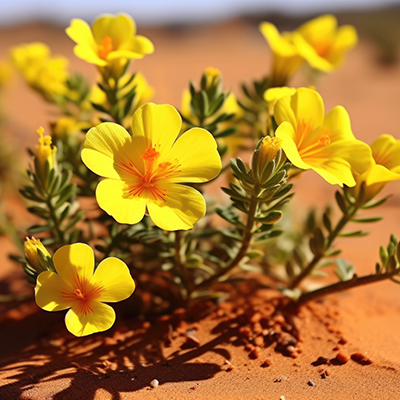
Imagine a tree that thrives where other plants have long since given up. Moringa oleifera is nature’s answer to extreme conditions. Originally native to the dizzying heights of the Himalayas in northern India, this master of survival has since spread to sun-drenched tropical regions around the world.
In the kitchen, it is often known as the horseradish tree, thanks to its distinctive scent. As soon as you cut into the roots, that typical, pleasant pungency we know from classic horseradish rises to your nose. But while the roots provide the aroma, the leaves are the real stars of the show. They function like small, highly efficient powerhouses that can store an impressive concentration of nutrients even under the scorching sun. It is precisely this biological resilience that makes moringa so fascinating.

Concentrated nutritional power: Why moringa is considered a superfood
When people talk about a superfood, they usually mean foods with a very high nutrient density. Moringa stands out in this regard, as its leaves act as natural treasure troves of micronutrients [1].
The plant’s chemical profile is particularly impressive [1, 2]:
- Wide range of vitamins: Rich in vitamins A, C, and E in a natural matrix.
- Essential minerals: High concentrations of calcium and iron in plant-based form.
- Amino acid profile: Contains all essential amino acids.
- Phytochemicals: A high concentration of antioxidants, chlorophyll, and mustard oil glycosides.
How this green powerhouse supports you in your daily life
Instead of just looking at the list of ingredients, things get really interesting when we see how moringa can support your daily routine. Your body needs resources to cope with the stress and demands of the day.
This is where moringa steps in as a natural partner [1]:
- Focus on cell protection: The antioxidants help your system better cope with oxidative stress caused by environmental factors or a hectic lifestyle.
- Boost resilience: The combination of vitamins supports your normal immune defense so you stay ready for action even during stressful times.
- Natural energy management: Thanks to iron and B vitamins, your energy metabolism can be gently supported, without the jittery tremors that often follow too much coffee.
- Resource replenishment: It’s not about a short-term boost, but about refilling your reserves so your body can efficiently handle its tasks on its own.
How to easily incorporate moringa into your daily routine
First, the good news: You don’t have to be a Michelin-starred chef to reap the benefits of its nutritional power. Moringa is wonderfully simple and can be slipped into almost anything.
The quick smoothie boost
Just stir a teaspoon of powder into your morning shake. Its mild spiciness pairs perfectly with sweet fruits like mango, apple, or pineapple and gives your drink a vibrant color.
A spicy topping for savory dishes
Sprinkle the powder like a spice over your avocado toast, your salad, or stir it into your hummus. It gives your snacks a subtle flavor reminiscent of arugula or watercress.
The convenient solution: Capsules
When your day is so packed that you can barely catch your breath, moringa capsules are the ideal choice. They’re perfectly portioned and fit into even the busiest schedule–ideal for an extra dose of nutrients on the go.
An upgrade for your hot meals
You can also mix moringa into soups or stews. Just make sure to stir in the powder right before serving. This ensures that the heat-sensitive nutrients aren’t lost.

What forms does moringa come in?
Before you get started, you’ll be spoiled for choice. Depending on your daily routine, different options are available. These four forms are the most common:
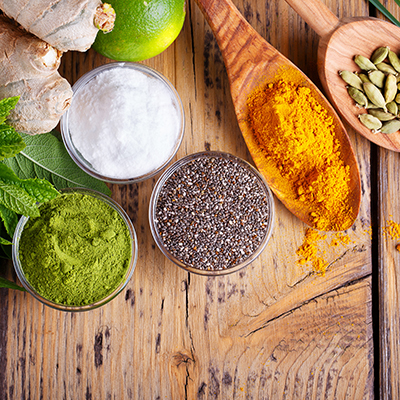
Moringa powder: The purest form, made from gently dried, ground leaves. Ideal for stirring into smoothies, bowls, or dips.
Moringa capsules: Usually filled with leaf powder. They are flavorless and perfect for easy dosing on the go or at the office.
Moringa extract: Here, the active ingredients are extracted in a highly concentrated form. Extracts are often found in capsules or liquid form and offer a higher concentration of specific plant compounds per serving.
Moringa tea: Dried, coarsely cut leaves for a caffeine-free infusion. The nutrient concentration here is slightly lower than when consuming the whole leaf.
What to look for when buying
To ensure you truly benefit from its nutrient density, quality is key. When purchasing, pay particular attention to whether the leaves have been gently dried, as heat can destroy many valuable nutrients. You can often tell a high-quality product by its color: a rich, vibrant green indicates freshness and careful processing, while a brownish powder tends to suggest lower quality. Ideally, choose products without unnecessary additives or fillers to enjoy moringa in its purest form.
In summary, moringa can be a simple way to enhance your daily diet with high-quality plant compounds. Especially when you’re in a hurry during the day, its high nutrient density can help you naturally and effortlessly replenish your supply of vitamins and minerals. Why not give it a try?
Curious about other topics? Then take a look at our magazine:

FAQ – Frequently Asked Questions
When is the best time to take moringa?
There is no set time for taking it. The supplement is often taken in the morning or early afternoon.
What is the recommended dosage for moringa?
Depending on the product, about 5 to 10 grams of powder is commonly used daily as a supplement to a balanced diet [3]. Since the leaves are very high in fiber, it makes sense to start with a smaller amount and slowly increase it as needed.
What does moringa actually taste like?
Moringa has a very distinctive flavor. It tastes fresh and grassy and has a pleasant spiciness reminiscent of horseradish or arugula.
Are there any interactions with medications?
Since moringa can affect blood sugar levels and blood pressure, people who are already taking blood pressure medication or diabetes medication should discuss the supplement with their doctor beforehand. Caution is also advised when taking blood thinners, as moringa contains significant amounts of vitamin K.
Are there any side effects associated with moringa?
When consumed in normal amounts, moringa is considered safe and well-tolerated [4]. However, excessive doses should be avoided. It’s best to start with a small amount and increase it gradually to give your body time to adjust.
How long does moringa powder last?
Store your moringa in a cool, dry place away from light. For loose powder, it is recommended that you consume it within 6 months to get the full nutritional benefits. Moringa capsules are better protected from external influences by their coating and therefore have a longer shelf life. In both cases, be sure to seal the package airtight to protect the ingredients from oxidation.