Vitamin D3 effects & metabolism: How the “sunshine hormone” interacts
Strong bones, healthy muscle function, and a robust immune system depend largely on an optimal supply of micronutrients. Vitamin D3 plays a particularly important role in this regard. Strictly speaking, it is not a traditional vitamin, but rather a hormone precursor (prohormone) produced by the body. However, for the “sunshine hormone” to fully perform its metabolic functions, it needs an essential partner: vitamin K2. In this guide, you’ll learn how this duo works in the body, why its utilization in tissues is crucial, and what you should keep in mind regarding your intake.
What makes vitamin D3 unique
Traditional vitamins are essential substances that the body cannot produce on its own and must therefore obtain primarily through daily nutrition. With vitamin D3 (cholecalciferol), the situation is different: the human body can synthesize the molecule independently in the skin with the help of UV-B radiation [1].
Synthesis via the skin
When exposed to sunlight, the precursor 7-dehydrocholesterol is first converted into previtamin D3, which is then converted into vitamin D3 by body heat. As a fat-soluble vitamin, the body can store excess amounts in fat and muscle tissue for months with little sunlight [1].

When is sunlight insufficient?
At Central European latitudes, the intensity of UV-B radiation from October through April is usually insufficient to ensure adequate endogenous production. In addition, window glass and sunscreen filter out the UV-B rays necessary for synthesis.
The effects of the “sun vitamin”
The question “Why does my body need vitamin D?” can be answered by looking at cellular regulation. Vitamin D3 is involved in the regulation of hundreds of genes and influences a wide variety of metabolic processes [2].
- Bone mineralization: It can promote the absorption of calcium and phosphate from the intestines into the bloodstream.
- Muscle function: It can support protein synthesis in muscle cells and help maintain muscle strength.
- Immune system: Vitamin D3 modulates both the innate and adaptive immune responses and can influence the production of antimicrobial peptides [3].
- Cell division: It influences normal cell division processes throughout the body.
Why vitamins D3 and K2 form a functional team
To understand the full range of vitamin D3’s effects in the body, it is essential to consider a key partner: vitamin K2 (menaquinone). These two micronutrients work hand in hand in calcium metabolism.
While vitamin D3 ensures, in the first step, that calcium is efficiently absorbed into the bloodstream through the intestinal mucosa and is available there, vitamin K2 takes over the targeted regulation within the tissues [4]. Without this transport regulation, the absorbed mineral remains unguided in the bloodstream.
Calcium utilization without sufficient vitamin K2
If the body has ample vitamin D3 but too little vitamin K2, the intestines will continue to absorb calcium, but the body cannot utilize it optimally. Persistently high calcium levels in the blood (hypercalcemia) carry the risk that the mineral will accumulate uncontrollably instead of being incorporated into the bone matrix.
Only the interaction of both vitamins ensures that the increased absorption of minerals also leads to the desired utilization processes in the tissues [4].
The biochemical role of osteocalcin and MGP
Vitamin K2 regulates calcium by activating specific, vitamin K2-dependent proteins through a process called carboxylation:
- Osteocalcin (the bone protein): This protein is primarily produced by bone-forming cells (osteoblasts), but initially exists in an inactive form. Only when activated by vitamin K2 can osteocalcin bind free calcium from the bloodstream and deposit it specifically into the hard tissue of bones and teeth [4].
- Matrix Gla Protein / MGP (The Vascular Protection Factor): MGP is produced in the vascular walls and in soft tissue. In its activated form, it binds excess calcium in the blood, thereby preventing the mineral from being deposited in the arterial walls or cartilage structures.
A combined intake of vitamin D3 and vitamin K2 thus addresses both aspects of calcium metabolism: efficient absorption in the intestine and targeted incorporation into bone structure.
Vitamin D metabolism and activation in the body
After being synthesized in the skin or taken in via supplements, vitamin D3 undergoes two essential conversion steps in the body [5]:
- First step (liver): Vitamin D3 is converted into 25-hydroxyvitamin D (calcidiol). This is the storage form that is measured during a blood test to determine vitamin D status.
- Step 2 (kidneys): When necessary, the kidneys convert the stored form into the biologically active hormone 1,25-dihydroxyvitamin D (calcitriol) [5].
Recognizing deficiency: At-risk groups & signs
Low vitamin D levels affect large segments of the population, especially during the dark winter months.
Typical signs of deficiency
- Tendency toward muscle weakness or muscle cramps
- Persistent fatigue and reduced physical endurance
- Recurrent susceptibility to infections
- Impaired bone metabolism (long-term osteomalacia in adults) [6]
Who has an increased need?
- Older adults: The skin’s ability to synthesize vitamin D naturally decreases significantly with age.
- People with limited sun exposure: Individuals who spend most of their time indoors or who fully cover their bodies for cultural reasons.
- People with dark skin: The high melanin content in the skin blocks UV-B rays more effectively, requiring longer exposure to sunlight.
- People with chronic gastrointestinal diseases: Reduced fat absorption can impair the absorption of this fat-soluble vitamin [7].
Use & dosage of supplements
When choosing supplements, various dosage forms are available, such as drops, capsules, or tablets.
- Fat-soluble intake: Since vitamin D3 is fat-soluble, it is recommended to take it with a meal containing fat to optimize absorption in the intestines.
- Combination of D3 and K2: Combination supplements provide a balanced ratio of both micronutrients. The MK-7 (menaquinone-7) variant is considered a particularly bioavailable form of vitamin K2 [8].
- Have your blood levels tested: Before taking high doses, it is recommended to have your 25-hydroxyvitamin D levels tested at your primary care physician’s office to determine the appropriate dosage for you.
How to optimally incorporate vitamin D3 & K2
Even the best form of vitamin D3 is of little benefit if it gets lost in the daily routine or if absorption in the body is impaired. A few simple habits can effectively support the absorption of these two fat-soluble vitamins.

The right combination for breakfast or lunch
Since vitamins D3 and K2 are fat-soluble, the intestines need fats to transport them. Taking them on an empty stomach or with just a glass of water results in a large portion of the micronutrients being excreted unused.
- Morning routine: Take the supplement with breakfast, for example with whole-grain bread and avocado, an egg, or a spoonful of nuts in your cereal.
- Lunch routine: Take it with your main meal if it contains healthy plant oils (e.g., olive or flaxseed oil).
Consistency over high doses
To maintain stable blood levels, continuous, daily intake often provides a more consistent supply than irregular high doses. Linking it to a daily habit, such as placing it right next to the coffee maker or your breakfast plate, helps you stick to the routine in the long run.
Curious about other topics? Then take a look at our magazine:
- Your body on carbs: The invisible key role of vitamin B1
- Heavy legs? How horse chestnut, vitamin C & OPC can help naturally
- Better oxygen supply in spring thanks to iron and vitamin C as natural boosters
- What are B vitamins - and what do we need them for?
- Folic acid - the power vitamin for health and well-being?

FAQ – Frequently Asked Questions
What happens if you take vitamin D3 without K2?
With moderate intake, the body uses existing K2 reserves from food. However, with higher doses over a longer period of time, the risk that absorbed calcium is not optimally incorporated into the bones may increase without vitamin K2.
When is the best time to take vitamin D3 and K2?
Ideally, they should be taken in the morning or at noon along with a high-fat main meal, since both vitamins are fat-soluble.
Is it possible to overdose on vitamin D3?
Yes, a consistently extremely high intake via supplements can lead to a harmful excess of calcium in the blood. Regular monitoring of blood levels ensures safety in this regard.
Does vitamin D affect diabetes?
A balanced supply of vitamin D supports the cells’ insulin sensitivity and can thus promote a healthy metabolism. However, it is not a substitute for medical treatment of diabetes.
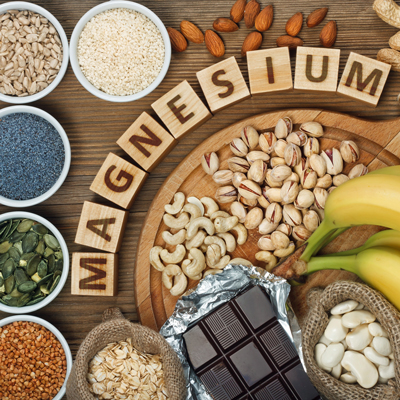
Does the body need additional magnesium to optimally activate vitamin D3?
Yes, the body’s own enzymes in the liver and kidneys require magnesium to convert vitamin D3 into its active hormonal form.
[1] https://pubmed.ncbi.nlm.nih.gov/28994020/
[2] https://www.vitalstoff-lexikon.de/VitamineA-C-D-E-K/Vitamin-D/Funktionen
[3] https://pubmed.ncbi.nlm.nih.gov/37686873/
[4] https://pmc.ncbi.nlm.nih.gov/articles/PMC5613455/
[5] https://flexikon.doccheck.com/de/Calcitriol
[6] https://www.leading-medicine-guide.com/de/erkrankungen/muskel-knochen/osteomalazie
[7] https://ecodemy.de/magazin/osteopenie/
[8] https://www.orthoknowledge.eu/naehrstoffe/vitamin-k2