How Does Selenium Really Work? An Explanation of How It Functions in the Body
From normal thyroid function to protecting cells, from oxidative stress to maintaining a strong immune system: The essential trace element selenium plays a key role in all of these vital metabolic processes. Although we only need tiny amounts of it each day, selenium is one of the indispensable building blocks of the human body. The problem is this: Your body can neither produce this trace element on its own nor store it indefinitely in unlimited quantities. You therefore rely on a reliable and balanced dietary intake day after day [1].
However, amid the hustle and bustle of daily life and changing dietary habits, maintaining an optimal supply of micronutrients can quickly fall by the wayside. While many people have a general idea that selenium is important for the thyroid, exactly what happens after it’s absorbed in the gastrointestinal tract often remains a mystery. How does selenium enter the cells, why do we talk about highly specialized “selenoproteins,” and why does a purely plant-based diet in Central Europe often run up against geological limitations?
Here, you’ll find clear explanations of the key processes selenium drives in your body and how you can easily optimize your daily intake.

What Is Selenium Good For? An Overview of Its Everyday Functions
Trace elements occur in the human body only in minute concentrations, measured in micrograms (µg). Despite these small amounts, selenium is essential for life, as it acts as a cofactor and directly influences biological processes via so-called selenoproteins.
The health effects confirmed by the European Food Safety Authority (EFSA) precisely summarize its key functions:
- Thyroid function: Selenium contributes to normal thyroid function.
- Cell protection: Selenium helps protect cells from oxidative stress.
- Immune system: Selenium contributes to the normal function of the immune system.
- Hair and nails: Selenium contributes to the maintenance of normal hair and nails.
- Sperm formation: Selenium contributes to normal sperm formation (spermatogenesis).
In addition, selenium works in synergy with other micronutrients: Together with fat-soluble nutrients such as vitamin E, selenium plays a role in cellular processes that help protect cells from oxidative stress.
A Biochemical Deep Dive: The Effects of Selenium at the Cellular Level
To understand the true significance of selenium, it is not enough to simply look at nutritional tables. In the body, this trace element acts primarily as a building block for the rare amino acid selenocysteine, which is firmly incorporated into at least 25 known endogenous proteins, known as selenoproteins [2].
Two groups of enzymes are of particular interest here:
1. Cellular Redox Balance: Glutathione Peroxidases and Oxidative Stress
Metabolic processes, intense UV radiation, or external influences generate reactive oxygen species (ROS), commonly known as free radicals, in everyday life. If the concentration of these molecules becomes excessive, oxidative stress results, which can damage cell structures, proteins, and DNA.
This is where the glutathione peroxidase (GPx) enzyme family comes into play. Selenium forms the catalytic core of these enzymes: they biochemically convert hydrogen peroxide into harmless water and oxygen, through which selenium makes a significant contribution to protecting cellular components from oxidative stress.
2. The Thyroid Engine: Deiodases Convert T4 into Metabolically Active T3
Relative to its tissue weight, the thyroid gland has the highest selenium concentration of any organ. There is a biochemical reason for this: the so-called iodothyronine deiodases are absolutely dependent on selenium.
The thyroid gland primarily produces the prohormone thyroxine (T4), which is largely biologically inactive. In order for T4 to perform its metabolically active functions, selenium-dependent deiodinases remove an iodine atom and convert it into active triiodothyronine (T3) [3]. If selenium is lacking as a cofactor, this conversion process in the tissue slows down.
3. Immune Function: Support of Physiological Signaling Pathways
A functioning immune system requires regulated cell division and targeted communication among immune cells. Selenoproteins regulate redox-sensitive signaling pathways in lymphocytes, thereby supporting the normal activity and maturation of T cells, B cells, and natural killer cells. At the cellular level, this trace element helps maintain the physiological balance of immune cells even during high metabolic activity [4].
Selenium in Foods: The Most Important Sources
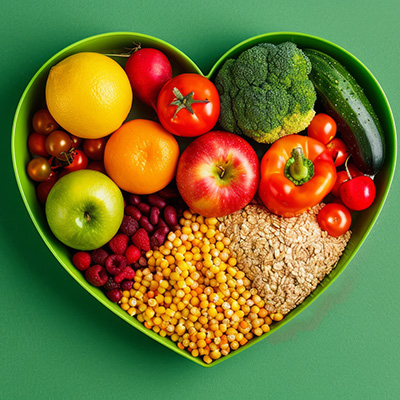
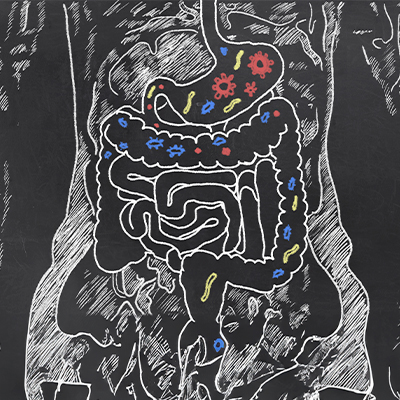
Your body cannot produce selenium on its own; it absorbs it in the small intestine and transports it via the bloodstream directly to the tissues. Typical dietary sources include:
- Brazil nuts: With an average of about 1,900 µg of selenium per 100 grams, they are considered extremely rich in selenium, but their selenium content is subject to enormous natural fluctuations.
- Tuna and salmon: Provide about 40 to 80 µg per 100 grams and are a very reliable animal source of selenium.
- Beef and poultry: Contain about 15 to 25 µg per 100 grams in the form of highly bioavailable selenomethionine.
- Chicken eggs: A medium-sized egg contributes about 10 to 16 µg of selenium to the daily basic requirement.
- Oatmeal: As a plant-based option of Central European origin, it provides a moderate 8 to 11 µg per 100 grams.
- Legumes: Lentils and beans typically provide 2 to 5 µg per 100 grams, although the content depends heavily on the soil in which they are grown.
Nutritional Reality: Why Soils in Central Europe Are Low in Selenium
The selenium content of plant-based foods directly reflects the nature of the soil. While regions in North America are rich in selenium, large parts of Central Europe are considered to be extremely low in selenium due to geological factors.
Consequently, plants such as grains and vegetables in our latitudes accumulate only small amounts of this trace element. Animal products in Europe exhibit more consistent selenium levels, as selenium may be added to animal feed in the EU under controlled conditions. A purely plant-based diet in Central Europe therefore requires special attention regarding selenium intake. Historically, extreme geological deficiencies have been observed, for example, in Keshan disease, a condition affecting the heart muscle in regions of Asia with severely low selenium levels [5].

The Dilemma with the Brazil Nut
Brazil nuts are extremely rich in selenium, but they present two challenges in everyday life: First, the selenium content per nut varies unpredictably depending on the growing region; second, the trees naturally absorb radium from the soil. The Federal Office for Radiation Protection therefore recommends limiting consumption to a maximum of two Brazil nuts per day.
Selenium Requirements: A Guide for Your Diet
The German Nutrition Society (DGE) recommends an estimated adequate intake of 60 µg per day for women and 70 µg per day for men [6]. Breastfeeding women have a slightly higher requirement of 75 µg per day.
The EFSA defines a safe upper limit for total daily selenium intake in adults as 255 µg per day. A chronic deficiency can manifest in nonspecific ways, such as brittle nails, thinning hair, or, as observed in studies, associations with mood [7].
To learn how to accurately assess your selenium status in everyday life and safely meet your individual daily needs with appropriate supplements, check out our detailed intake guide.
Curious about other topics? Then take a look at our magazine:
- Hyperthyroidism: When the Body Runs at Full Speed All the Time
- The right vitamins to combat hair loss
- Micronutrients—Small Helpers with a Big Impact
- Movember momentum – calmly strong with saw palmetto
- Iron Deficiency: When Your Body Lacks Energy in Everyday Life
FAQ – Frequently Asked Questions

Do Oatmeal Contain a Lot of Selenium?
Oatmeal provides moderate amounts, 8 to 11 µg per 100 grams, but, given Central European soil levels, this alone is usually not enough to fully meet daily requirements.
Which fruits contain significant amounts of selenium?
Fresh fruit contains virtually no selenium (less than 1 µg per 100 g), as plants primarily store this trace element in protein-rich seeds and nuts.
What role does selenium play in maintaining healthy hair and nails?
Selenium is a component of proteins that help protect cells from oxidative stress, thereby contributing to the maintenance of normal hair and nails.
What is the exact mechanism by which selenium supports the thyroid gland?
Selenium forms the active center of deiodase enzymes, which convert the inactive hormone T4 into the metabolically active T3 by removing an iodine atom.
How does selenium’s role in the thyroid differ from that of iodine?
Iodine provides the building blocks for thyroid hormones, while selenium-dependent enzymes contribute to their hormonal conversion and to cellular protection.
What role does selenium play in the body’s immune defense?
Selenium contributes to the normal function of the immune system by participating in physiological signaling pathways. It serves as part of daily nutritional intake and is not a medication for the prevention or treatment of diseases.
[1] https://www.lebensmittelverband.de/selen
[2] https://ernaehrungs-umschau.de/selen
[3] https://www.forum-schilddruese.de/schilddruesenhormone-entstehung
[4] https://www.fh-muenster.de/grundlagen-selen
[5] https://pubmed.ncbi.nlm.nih.gov/38753920
[6] https://www.dge.de/referenzwerte-selen
[7] https://pubmed.ncbi.nlm.nih.gov/35058530