Recognizing Selenium Deficiency: When Your Body Sends Subtle Signals
Constantly tired, unusually sluggish, or suddenly feeling less muscle strength? It’s natural to wonder what your body is actually trying to tell you. Maybe it’s just a stressful week? Not enough sleep? Or could a nutrient deficiency be the cause? One possible culprit is selenium. Although this trace element is fairly unassuming, it performs several important functions in your body.
But how can you actually tell if you have a selenium deficiency? What symptoms might appear, and when should you take a closer look? We’ll shed some light on the matter and show you what’s behind these possible warning signs and how you can find out if your body is actually getting too little selenium.

What exactly is selenium?
Selenium. It sounds almost like Selene, the Greek goddess of the moon, doesn’t it? In fact, this trace element even owes its name to her! But don’t worry, we’re not about to take a trip into mythology. Instead, we’re talking about a small but quite important nutrient. Selenium is one of the so-called essential trace elements. That means your body needs it to survive but can’t produce it on its own. That’s why you need to get a regular supply through your diet [1].
And although we only need tiny amounts of it each day, selenium plays several important roles. Among other things, it contributes to the normal functioning of the thyroid gland and the immune system and helps protect our cells from oxidative stress [1]. That’s quite a lot of responsibility for such a small nutrient, isn’t it? However, if your intake becomes too low over an extended period, certain bodily functions can be impaired.
Selenium Deficiency: What Symptoms Can Occur?
Unfortunately, selenium deficiency doesn’t come with a big warning sign. A mild deficiency often goes completely unnoticed. Instead, possible signs can creep into your daily life quite inconspicuously. Maybe you feel sluggish more often, or your muscles aren’t quite cooperating. The problem? Such changes can have countless causes. Some symptoms actually occur more often with an excess of selenium. So let’s take a closer look at which selenium deficiency symptoms can actually occur [1, 2]:
- Fatigue and exhaustion: Have you actually gotten enough sleep but still can’t seem to get going? In cases of severe deficiency, physical performance may also decline. However, fatigue is not a definitive symptom of deficiency.
- Muscle weakness: Does climbing the stairs suddenly feel like a mini-workout? A significant selenium deficiency can impair muscle function and be accompanied by muscle weakness or muscle discomfort.
- Changes in the nails: Do your nails suddenly look different than usual? Nail changes can occur with both selenium deficiency and excess selenium intake and are therefore not a definitive sign.
- Hair changes: Hair may become thinner with a selenium deficiency. Hair loss, however, is not a definitive symptom of deficiency and can also result from excessive selenium intake.
- Impaired immune function: Selenium contributes to the normal function of the immune system. A severe deficiency can impair this function.
Important to know: Just because you feel tired more often or your nails suddenly become brittle doesn’t automatically mean you have a selenium deficiency. These symptoms, in particular, are quite nonspecific. Therefore, it’s not possible to determine whether a deficiency actually exists based on symptoms alone. We’ll take a closer look at how to be sure in a moment.
Why does a selenium deficiency occur in the first place?
It actually sounds quite simple: eat a balanced diet, get enough nutrients, and your body will be well-nourished. It would be nice if things were always that straightforward! But how much selenium actually reaches your body doesn’t depend solely on what ends up on your plate. Your eating habits and certain medical conditions can also play a role.
When Your Diet Doesn’t Cover Everything
Do you follow a predominantly plant-based diet? If so, it’s worth keeping a closer eye on your selenium intake. That’s because the amount of selenium in grains, vegetables, and other foods depends heavily on the soil in which the plants grow. And in many regions of Europe, these soils are relatively low in selenium. However, this doesn’t mean that a vegan or vegetarian diet automatically leads to a deficiency. What matters is how varied your diet is and which foods are regularly on your menu [1].
When the Body Doesn’t Cooperate
Sometimes, however, it’s not the diet at all. Certain medical conditions can cause your body to absorb selenium less effectively or lose it more rapidly. These include, for example, chronic inflammatory bowel diseases such as Crohn’s disease, which are often accompanied by gastrointestinal symptoms, the metabolic disorder cystic fibrosis, or certain kidney diseases, particularly in people who require regular dialysis [1].

Do I Have a Selenium Deficiency? Here’s How to Find Out
Have you recognized some of these symptoms in yourself and are now wondering if your body might not be getting enough selenium? That’s understandable! However, before you start taking dietary supplements on your own, it’s worth visiting your primary care physician. After all, whether you actually have a selenium deficiency cannot be reliably determined simply by brittle nails or constant fatigue.
Here’s how the evaluation usually proceeds:
- Discuss your symptoms: First, your doctor will want to know what symptoms you’re experiencing, how long they’ve been present, and what your diet is like. Any pre-existing conditions also play a role.
- Check blood levels: If there is reasonable suspicion of a deficiency, the selenium concentration in your blood serum or plasma can be measured [3]. This value provides insight into your selenium status but must be evaluated in conjunction with your symptoms and any potential risk factors.
- Identify the cause: If a deficiency is indeed confirmed, the next step is to identify the underlying cause. Depending on the cause, a dietary change or targeted selenium supplementation may be advisable.
And don’t worry: Just because you occasionally feel sluggish doesn’t mean you need a blood test right away. Whether testing is advisable depends on your symptoms and any potential risk factors. However, if your symptoms persist or you belong to a high-risk group, consulting a doctor is the right course of action.
What to Keep in Mind in Your Daily Life
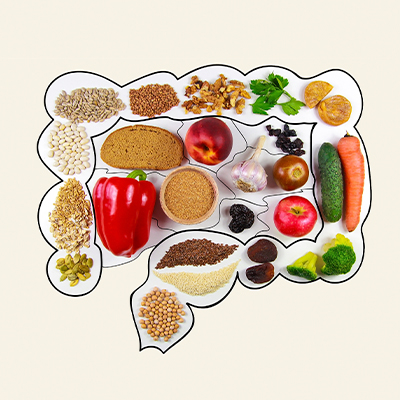
First, the good news: To ensure your body gets enough selenium, you don’t need to become a nutrition expert or plan every meal with a calculator. For most healthy people, a varied diet is sufficient. Fish, eggs, and meat are considered particularly reliable sources of selenium in Germany. But plant-based foods such as broccoli, white cabbage, garlic, onions, mushrooms, asparagus, and legumes can also contribute to your selenium intake. However, the actual amount of selenium they contain depends heavily on where they were grown [1].
And what about selenium supplements? They can certainly be useful as part of a targeted treatment for a medically diagnosed deficiency, but they aren’t automatically the better choice. Because when it comes to selenium, the saying “more isn’t better” really does apply! Anyone who consistently consumes excessive amounts risks, among other things, hair loss, nail changes, and other health issues [1]. So before you reach for high-dose capsules as a precaution, you should first have a doctor determine whether you actually need additional selenium at all.
Subtle Signs That Deserve a Second Look
Our bodies sometimes have a rather quirky way of communicating with us. And unfortunately, they don’t always provide us with the right explanation right away. That’s why it’s not always obvious at first glance whether a selenium deficiency is actually behind your symptoms. The good news: A varied diet already lays a solid foundation for your selenium intake. And if something seems unusual or your symptoms persist, a medical evaluation can help you get to the bottom of the issue.
Curious to learn more about similar topics? Then take a look at our magazine:
- What helps against hair loss?
- Vitamin deficiency in everyday life: Why a balanced supply is so important
- Copper deficiency - causes, symptoms and long-term consequences
- When fatigue is more than just the winter blues: Recognizing and understanding iron deficiency
- Vitamin D deficiency in fall & winter: How your body sounds the alarm
FAQ – Frequently Asked Questions
Can a selenium deficiency affect the thyroid?
Yes! Selenium contributes to normal thyroid function. In cases of severe deficiency, selenium-dependent processes can be impaired, especially if there is a concurrent iodine deficiency. However, a low selenium level does not automatically mean that your thyroid isn’t working properly [1, 3].
Can you test for a selenium deficiency yourself?
While there are various self-tests available online, their results aren’t always reliable. Hair mineral analyses also aren’t suitable as a reliable self-test for selenium deficiency. A blood test supervised by a doctor can provide more meaningful insights, which you should discuss with your primary care physician [2, 3].
Can children also develop a selenium deficiency?
Generally speaking, yes. Children also need selenium for important bodily functions. However, a severe deficiency is rare with a balanced diet. If a deficiency is suspected, the matter should be evaluated by a pediatrician [1, 3].
Which selenium-rich foods are suitable for vegetarians and vegans?
You can still get selenium even without meat or fish! Plant-based sources include broccoli, mushrooms, asparagus, legumes, and nuts; for vegetarians, eggs and dairy products are also good sources. You should eat Brazil nuts only in small amounts due to their high, fluctuating selenium content and natural radium contamination [1].
How long does it typically take to correct a selenium deficiency through a targeted dietary change?
That depends on how severe the deficiency is and how well your body absorbs selenium. Therefore, it’s impossible to give a general answer regarding how quickly your selenium levels will improve. In cases of severe deficiency, a dietary change alone may not be sufficient; it’s best to consult a doctor for advice [2].
Is a selenium deficiency the same as an iron deficiency?
No, even though some symptoms may be similar. Iron and selenium are two different trace elements that perform distinct functions in your body [1]. It’s not possible to determine whether a nutrient deficiency is present based on symptoms alone.

Three Key Facts to Remember
Fact 1: Small Amount, Big Impact
Selenium is an essential trace element that your body needs for, among other things, the normal functioning of the thyroid gland and the immune system. Even tiny amounts play important roles [1].
Fact 2: Not Every Warning Sign Means a Selenium Deficiency
Fatigue, muscle weakness, or changes in hair and nails can have many causes. An actual selenium deficiency therefore cannot be identified based solely on such symptoms [1, 2].
Fact 3: It’s All About the Right Balance
A varied diet is sufficient for most healthy people to meet their selenium needs. Additional supplements aren’t automatically necessary, because too much selenium can also cause health problems [1].
Sources:[1] https://www.dge.de/gesunde-ernaehrung/selen
[2] https://practicalgastro.com/Nutrition-June-2025
[3] https://ods.od.nih.gov/Selenium-HealthProfessional