Magnesium in hormone check: Why it’s often a topic during PMS and perimenopause
Have you ever wondered why your best friend seems as relaxed as a sloth after taking an extra dose of magnesium, while you still feel the urge to randomly yell at your houseplants during PMS? This is usually because every body throws its own unique biochemical party, and the guest list looks different for every woman. So while one woman is already enjoying Zen mode, the other might still be waiting for the mineral to even knock on the door.
When your hormones feel like they’re performing in a circus, things are really hopping behind the scenes. Hormones and stress responses bounce ideas off each other and influence one another within a vast network. Amid this chaos, magnesium is the quiet assistant, tweaking many small adjustments in the nervous system and trying to bring a little order to the chaos. In this article, we’ll explore how this mineral is integrated into your body’s system and why its effects are so frequently discussed.
When hormones don’t work alone: Why multiple systems are involved
As tempting as it might be to simply blame every mood swing on estrogen and progesterone, your internal biology isn’t quite that simple. While these two are the main players on the cycle stage, they’re never alone in the spotlight. Your nervous system, various neurotransmitters in the brain, and a whole host of micronutrients all play a role and determine how stable your sleep or mood feels.
This interplay changes noticeably, especially during PMS or perimenopause. Fluctuating hormones not only interfere with your cycle but also disrupt the communication between your nerve cells and your metabolism.

When stress and hormones knock at the same time
In addition to hormones and neurotransmitters, your stress system also plays a key role behind the scenes. As soon as your body perceives stress, stress hormones like cortisol are activated [1]. These help determine how sensitively your nervous system reacts to stimuli and how stable your inner balance feels in everyday life.
Especially during hormonal phases, many things often come together at once. Various processes intertwine in the process:
- Hormonal fluctuations: alter how your nervous system processes stimuli.
- Stress hormones: directly influence how your body copes with daily stressors.
- Neurotransmitters in the brain: are more sensitive to changes during these times.
- Micronutrients: support many of these metabolic processes [2].
Magnesium comes up time and again here because this mineral plays a role in signal transmission between nerve cells and in stress metabolism [3, 4]. So when multiple systems are under strain at the same time, this interaction automatically becomes a focus of scientific research.
Magnesium: The Invisible Back-up for Your Nerves
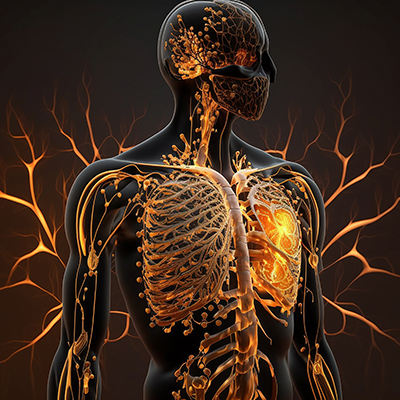
Magnesium is far more than just a mineral: it is the discreet director of our nervous system. It plays a key role, particularly in signal transmission between cells: like a sensitive regulator, magnesium helps determine how intensely stimuli are transmitted in our brain [3]. It ensures that internal communication remains precisely coordinated and that information arrives exactly where it is needed.
But magnesium can do even more: It keeps the powerhouse of our cells running. Since nerve cells are true energy vampires, the mineral is involved in crucial enzymatic processes that can ensure our mental resilience [5]. Things get particularly interesting when life gets turbulent: When stress hormones, neurotransmitters, and hormonal fluctuations all take center stage at once, magnesium repeatedly becomes the focus of research—as a stabilizing component for a nervous system that’s working overtime.
Why magnesium rarely acts alone
As important as magnesium is in the nervous system and stress metabolism, the mineral rarely works alone in the body. Many biochemical processes function properly only when several micronutrients work together. Especially during hormonal phases, therefore, the discussion often centers not only on magnesium but also on its teammates, which influence similar systems.
In research and nutrition discussions, certain combinations keep coming up:
- Magnesium and vitamin B6: Since vitamin B6 is involved in the production of various neurotransmitters, the two are often considered a well-coordinated team [6].
- Magnesium and calcium: Together, these two minerals play an important role in signal transmission between your nerve and muscle cells [7].
- Magnesium and inositol: Inositol is particularly discussed in the context of hormonal signaling pathways and your metabolic processes [8].

Why magnesium affects every woman differently
You might be wondering why some women feel an immediate change from magnesium, while others hardly notice a difference. This is primarily due to your individual circumstances: your current stress level, your overall nutrient intake, and the sensitivity of your nervous system determine how significantly the mineral impacts your daily life.
So if magnesium seems to work better for your friend than for you, that doesn’t necessarily mean anything. The most important thing is that your body gets enough of it.
Small adjustments for your inner balance
Ultimately, it becomes clear: Your body isn’t a rigid machine, but a well-coordinated team. Magnesium isn’t a magic solution, but an essential building block that works behind the scenes to keep things in check when your cycle or stress levels get turbulent. Those who understand this interplay of hormones and micronutrients can give their nervous system exactly the support it needs for greater calm – for a stable foundation in everyday life, without all the drama.
Curious about other topics? Then take a look at our magazine:
- Often in short supply in winter – Vitamin D
- Sleep better naturally with L-theanine, lemon balm, and passionflower for a new rhythm
- Warm, calm, cycle-friendly – monk’s pepper as a gentle anchor for PMS
- Gently supporting menopause: Myo-inositol, vitamin D, and magnesium for balance and energy
- What are B vitamins – and why do we need them?
FAQ – Frequently Asked Questions
How much magnesium does the body need daily?
Nutrition organizations recommend daily intake guidelines of about 300 mg for women and around 350 mg for men. However, how much you actually need may also depend on how active your daily routine is or how much exercise you get [9].
When is the best time to take magnesium?
Das hängt vor allem von Deiner persönlichen Routine ab. Viele Menschen integrieren Magnesium in ihre Abendroutine, während andere es über den Tag verteilt einnehmen. Entscheidend ist vor allem die regelmäßige Versorgung, damit Dein Körper den Mineralstoff konstant nutzen kann.
Is it possible to consume too much magnesium?
Yes, excessive intake through diet and supplements can lead to diarrhea or stomach rumbling [7]. Therefore, be sure not to exceed the recommended maximum amount for dietary supplements on a long-term basis.
What forms of magnesium are actually available?
Magnesium comes in forms such as citrate, oxide, or glycinate, which differ primarily in their absorption rate and tolerability [7]. Which form is right for you depends entirely on what best suits your body and your personal routine.
Is magnesium good for the kidneys?
Scientifically speaking, it’s actually the other way around: healthy kidneys are essential for regulating your magnesium levels in the first place. Since they excrete excess magnesium, they are the key organ responsible for regulating your mineral balance [7].
Which foods are particularly rich in magnesium?
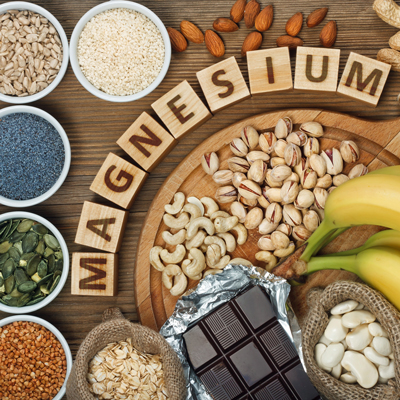
Magnesium is found primarily in plant-based foods [7]. The mineral is especially common in nuts, seeds, whole grains, and green vegetables. Legumes and cocoa are also well-known sources of magnesium and can contribute to a balanced intake in your daily diet.

[1] https://www.mayoclinic.org/stress
[2] https://pmc.ncbi.nlm.nih.gov/PMC7019700
[3] https://pmc.ncbi.nlm.nih.gov/PMC6024559
[4] https://pmc.ncbi.nlm.nih.gov/PMC7761127
[5] https://pmc.ncbi.nlm.nih.gov/PMC11557730
[6] https://pmc.ncbi.nlm.nih.gov/nutrients
[7] https://ods.od.nih.gov/Magnesium-HealthProfessional
[8] https://pmc.ncbi.nlm.nih.gov/PMC6286734
[9] https://www.dge.de/magnesium