Iron deficiency: When your body lacks energy in everyday life
A stable energy balance, mental performance, and a healthy glow depend on many factors in everyday life. One of the most important micronutrients in human metabolism is the trace element iron. If this essential mineral is lacking over an extended period, oxygen transport in the body is disrupted, which quickly becomes noticeable in your daily well-being and physical stamina [1].
This comprehensive guide clearly explains how to correctly interpret warning signs, which groups of people have an increased daily requirement, how a latent iron deficiency differs from overt anemia, and what you should look for when comparing supplements in terms of tolerability and bioavailability.
The function of iron
Iron is an essential trace element that the human body cannot produce on its own. It must therefore be continuously supplied through the daily diet. Iron’s primary role is as a key component of hemoglobin, the red blood pigment.
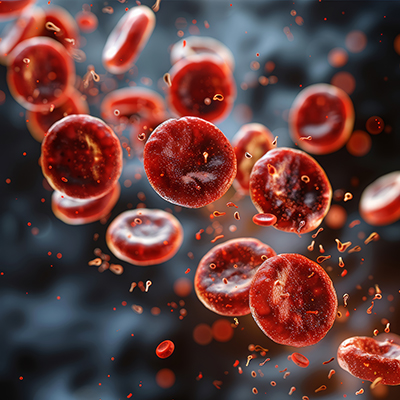
Hemoglobin is found in red blood cells (erythrocytes) and binds the oxygen absorbed in the lungs to transport it via the bloodstream to every single cell in the body. In addition, iron is an important component of myoglobin, which is responsible for supplying oxygen to the muscles, as well as numerous enzyme systems that regulate cellular energy production [2].

Typical signs in everyday life
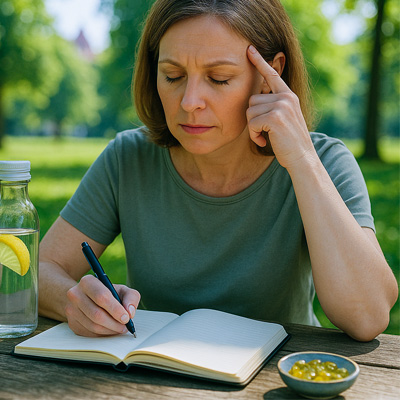
- Persistent fatigue & exhaustion: Despite getting enough sleep, you lack the energy for your usual daily routines. This is due to reduced oxygen supply to the tissues.
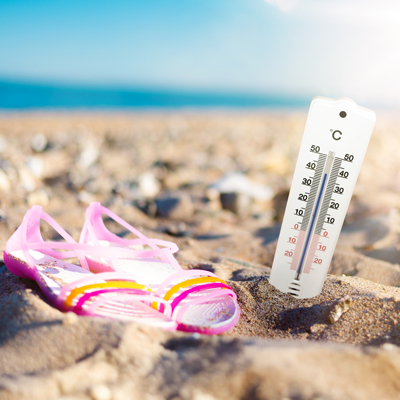
- Sensitivity to cold & feeling chilly: Since heat transfer in the body is closely linked to circulation and the oxygen content of the blood, low iron levels can lead to feeling chilly more quickly.
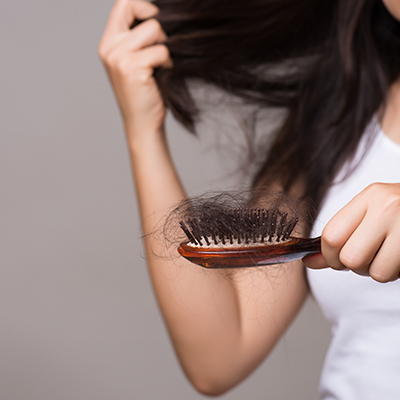
- Pale skin & brittle hair or nails: A reduced hemoglobin level often manifests as sallow-looking skin, pale mucous membranes, and brittle hair or nails.
- Difficulty concentrating & mental sluggishness: The brain consumes about 20% of the body’s total oxygen supply. If the supply is insufficient, mental stamina decreases.
- Headaches & dizziness: A reduced oxygen level in the blood can lead to a mild sensation of pressure in the head, especially when standing up quickly.
Iron deficiency vs. anemia
n everyday conversation, the terms “iron deficiency” and “anemia” are often used interchangeably. From a medical perspective, however, they represent two sequential stages of a nutrient deficiency [3].
- Stage 1: Iron storage deficiency: Ferritin levels drop; iron stores are depleted.
- Stage 2: Iron-deficiency anemia: Iron stores are depleted; hemoglobin production collapses.
Hidden iron deficiency (iron storage deficiency)
In the first phase, the body’s iron-storing proteins are depleted. The so-called ferritin level in the blood drops. The hemoglobin level in the blood test is usually still within the normal range during this phase, as the body tries to keep the blood count stable. Nevertheless, those affected may already experience fatigue or difficulty concentrating at this stage [3].
Iron-deficiency anemia
Only when the body’s own iron stores are completely depleted is the body no longer able to produce sufficient hemoglobin. The number or volume of red blood cells decreases measurably. This advanced stage is referred to as iron-deficiency anemia and requires specific medical evaluation and management [3].

Groups of people with increased iron requirements
Not everyone has the same daily iron requirement. Certain life stages, physiological factors, and dietary patterns increase the amount of iron needed in the daily diet [4].
Women of childbearing age
Due to monthly blood loss during menstruation, women experience a continuous loss of iron. Depending on the heaviness of their period, their daily requirements can be significantly higher than those of men.
Pregnant and breastfeeding women
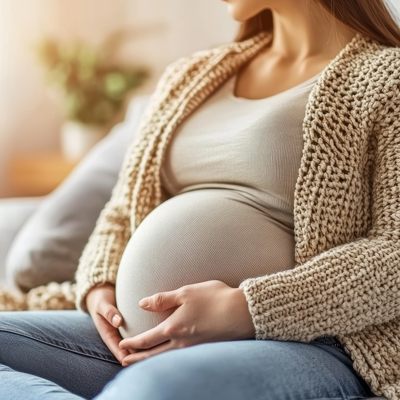
During pregnancy, the mother’s blood volume increases significantly because the fetus and placenta must also be supplied with blood. Iron requirements double during this phase, from about 15 mg to up to 30 mg per day [4]. These requirements remain elevated during breastfeeding as well.
People on a plant-based diet
Those who avoid animal-based foods obtain iron exclusively from plant sources. Since plant-based iron has a lower absorption rate in the intestines, vegetarians and vegans should pay particular attention to a balanced combination of nutrients [5].
Endurance athletes
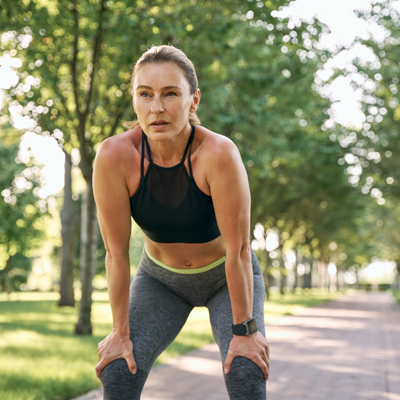
Intense physical activity leads to an increased demand for myoglobin in the muscles. In addition, mechanical stress (e.g., impact while running) can result in a slightly increased loss of iron.
Forms of iron
The chemical form of iron plays a decisive role in absorption efficiency in the gastrointestinal tract.
Heme iron (animal sources)
Heme iron is present in a divalent form (Fe²⁺) bound to animal proteins such as meat or organ meats. The human intestine can absorb heme iron directly via specific transport proteins. Bioavailability in this case is approximately 15% to 35% [5].
Non-heme iron (plant sources)
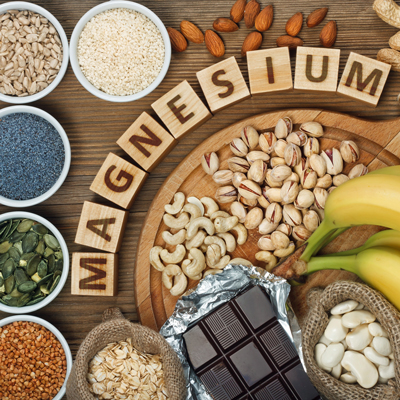
Non-heme iron is usually present in plant-based foods such as legumes, nuts, and whole grains in the form of trivalent iron (Fe³⁺). It must first be converted to the divalent form in the stomach by stomach acid and reducing agents before it can be absorbed. Bioavailability in these cases is generally only 2% to 20% [5].
Synthetic tablets vs. plant-based alternatives
There is a wide variety of supplements available on the market. The choice of dosage form plays a decisive role in absorption and stomach tolerance.
Conventional Iron Tablets (e.g., iron(II) sulfate / high-dose)
- Characteristics: Often contain high single doses (e.g., 50 mg to 100 mg of elemental iron).
- Advantages: Enable rapid replenishment of depleted stores in cases of medically diagnosed deficiency.
- Disadvantages: A large portion of the high-dose iron remains unabsorbed in the intestine, which can lead to gastrointestinal symptoms such as nausea, constipation, abdominal pain, or dark-colored stools [6].
Plant-based iron supplements (e.g., from curry leaves)
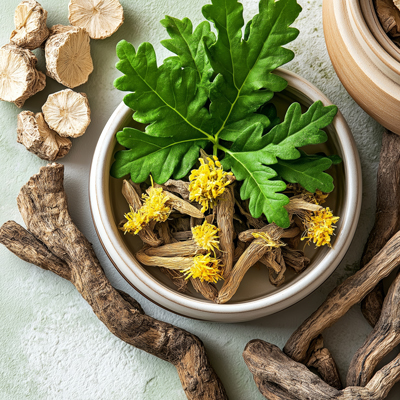
- Characteristics: Derived from natural plant extracts such as curry leaves (Murraya koenigii).
- Advantages: Are characterized by high gastrointestinal tolerability, as the iron is bound within a natural plant matrix and is released continuously.
- Combination: These are often combined directly with plant-based vitamin C (e.g., from amla berries or roses), which significantly increases the absorption of non-heme iron [7].
Use & dosage
To ensure that the iron is optimally absorbed by the intestinal mucosa, certain guidelines should be followed when taking it.
Factors that enhance absorption
- Vitamin C (ascorbic acid): Converts trivalent plant-based iron into the easily absorbed bivalent form [7]. A glass of orange juice or adding lemon juice to a meal is often sufficient.
- Taking on an empty stomach: Absorption through the intestinal mucosa is most efficient on an empty stomach, about 30 to 60 minutes before breakfast.
Inhibiting factors & interactions
- Coffee, black & green tea: The tannins they contain bind tightly to iron in the gastrointestinal tract, causing it to be excreted unused [8].
- Dairy products & calcium: Calcium uses the same receptors in the intestine as iron and directly inhibits its absorption.
- Medications: Acid blockers (proton pump inhibitors) reduce stomach acid, which makes it harder to break down plant-based iron. You should also wait at least 2 hours between taking iron and thyroid medications (e.g., L-thyroxine).
An iron-friendly daily schedule
To optimize your daily intake through your diet, it helps to plan your meals carefully as part of your daily routine.
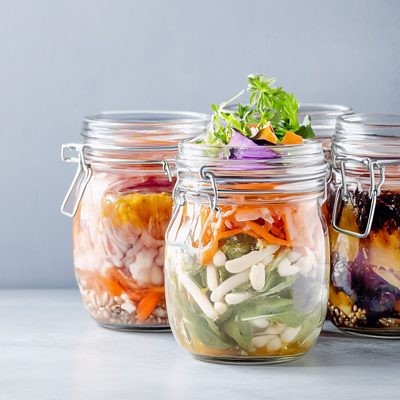
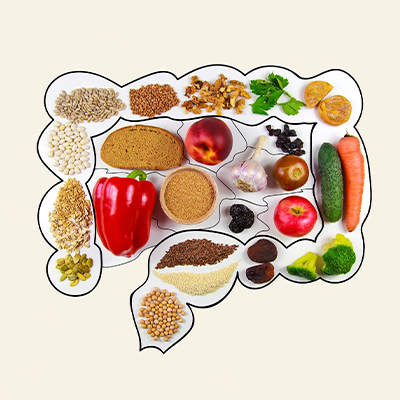
- Morning: Oatmeal with fresh berries (vitamin C) and pumpkin seeds. Wait 1 hour before having coffee or tea.
- Lunch: A colorful lentil salad with bell peppers, fresh parsley, and a lemon dressing.
- Afternoon: A handful of almonds or dried figs as a snack.
- Dinner: Whole-grain bread with chickpea hummus and tomato slices.
Curious about other topics? Then take a look at our magazine:
- The right diet during pregnancy? Here are the most important answers
- Feeling tired despite the longer days?
- Winter cabbage, vitamin C and iron - your natural supporters for the cold season
- When fatigue is more than just the winter blues: Recognizing and understanding iron deficiency
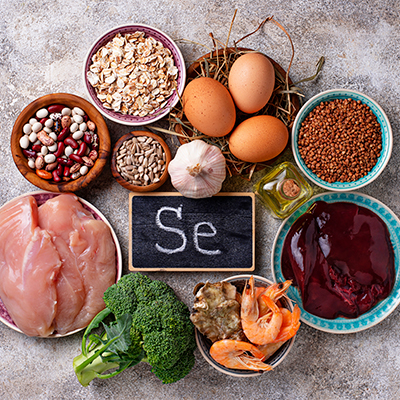
- The effect of selenium
FAQ – Frequently Asked Questions

Is it safe to take iron supplements in advance?
No, taking iron supplements without first having a blood test is not recommended. Since the body cannot simply excrete excess iron through urine, your ferritin level should be determined in advance by a healthcare professional.
When is the best time to take iron tablets?
Ideally, take them in the morning before breakfast with a glass of fruit juice rich in vitamin C. If you have a sensitive stomach, you can also take them between meals.
What can you do if iron tablets upset your stomach?
In this case, it is recommended to switch to plant-based sources of iron (such as curry leaf extract) or to divide the daily dose into smaller portions.
What is the worst thing that can happen with iron deficiency?
If left untreated, it leads to severe anemia, which overloads organs such as the heart due to a lack of oxygen and drastically reduces physical performance.
How dangerous is anemia?
It is dangerous because tissues are inadequately supplied with oxygen, which, if left untreated, leads to cardiovascular damage and chronic fatigue.
What are the three main causes of anemia?
The main causes are significant blood loss (e.g., menstruation), impaired red blood cell production (e.g., nutrient deficiency), or accelerated red blood cell breakdown.
Sources:[1] https://www.gesundheitsinformation.de/eisenmangel-und-eisenmangel-anaemie
[2] https://fet-ev.eu/eisen
[3] https://www.aok.de/ursachen-und-symptome-bei-eisenmangelanaemie
[4] https://www.dge.de/referenzwerte-eisen
[5] https://www.ugb.de/eisen-vegetarisch-gut-versorgt
[6] https://apoheide.de/eisenpraeparate-richtig-einnehmen
[7] https://www.juvanity.de/vitamin-c-und-eisen-aufnahme
[8] https://www.aponet.de/welche-lebensmittel-die-aufnahme-von-eisen-ausbremsen