Tired despite getting enough sleep? What’s really behind a B12 deficiency
You wake up, having actually gotten enough sleep, and yet you still feel like you’ve been run over by a truck? Most of the time, we just put up with this constant exhaustion. We drink another espresso, blame the slump on stress, and just keep going. But if your focus stays at rock bottom over the long term, we should stop just treating the symptoms. Because often the cause runs deeper: for example, unnoticed depletion of your body’s vitamin B12 stores.
Since these natural reserves deplete very gradually, we often don’t notice a deficiency until years later. In the following article, you’ll learn why this happens, what the first signs look like, and how you can replenish your reserves sustainably right now.
What exactly is vitamin B12?
Perhaps you’ve spotted the name vitamin B12 on your oat milk carton or an energy drink can and wondered what that combination of letters and numbers is doing there. Essentially, B12 is a vital building block that your body needs primarily for two main functions: your nerves and your blood [1]. You can think of this vitamin as a maintenance worker who ensures that the pathways in your brain are well-protected and that signals flow smoothly.
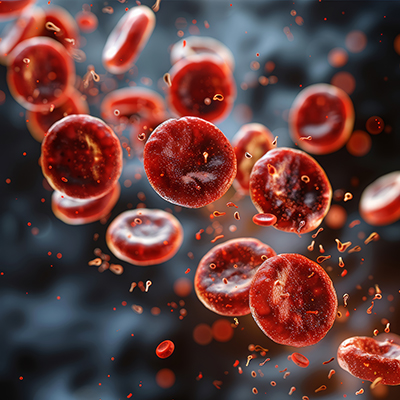
At the same time, B12 plays a role in the formation of red blood cells [1]. These cells function like little delivery trucks, transporting oxygen and thus fresh energy to every corner of your body. Since vitamin B12 is needed for cell division and plays an important role in DNA synthesis, it is required in many parts of the body [2]. The problem is that your body cannot produce B12 on its own. It is completely dependent on what you provide through your diet.

From your plate to your stomach: How a vitamin B12 deficiency develops
It is precisely this dependence on food that makes the system prone to errors in everyday life. Ultimately, a vitamin B12 deficiency usually develops in one of two ways:
Not enough ends up on your plate: Absorbable B12 is found almost exclusively in animal-based foods such as meat, fish, or cheese [1]. So anyone who follows a strictly plant-based diet and doesn’t take the vitamin as a supplement will deplete their stores over time.
It doesn’t reach the body: For the intestines to absorb the vitamin at all, they need a specific protein from the stomach. This protein acts like a ticket: It binds to the B12 and safely transports it through the intestinal wall into the bloodstream [2].
So even if you eat meat regularly, you’re not automatically protected. If your stomach doesn’t produce this transport protein, for example, due to an irritated stomach lining, the vitamin has no way to get where it needs to go. It passes through your body unused, and a deficiency develops despite a full plate.
Why a deficiency often isn’t noticed until years later
The tricky thing about a vitamin B12 deficiency is that it hides extremely well and creeps into your daily life almost unnoticed. Your body actually has a huge built-in storage reservoir [3]. The vitamin is stored there so efficiently that your reserves would last for three to five years even if you stopped consuming any B12 starting today [3]. So at first, you won’t notice a thing. Your reserves are quietly depleting in the background while you still feel completely normal in your daily life.
Only when these natural reserves are truly depleted does the system slowly start to falter. Because the vitamin is needed in so many different parts of the body, it usually takes a very long time before it even occurs to you that depleted B12 stores might be behind the problems.
Typical warning signs in everyday life
Since this vitamin is essential for your nerves and blood, you’ll usually notice the deficiency most acutely in these areas. The most common symptoms of a deficiency are [1, 3]:
- Chronic fatigue: You feel constantly tired and drained, even after sleeping.
- Brain fog: Difficulty concentrating and forgetfulness become common in your daily life.
- Muscle tingling: You suddenly feel a tingling sensation in your fingertips or feet for no apparent reason.

Our guide: How to meet your B12 needs
To prevent your body from ever reaching a deficiency in the first place, there are various ways to keep your stores full. Depending on your diet, there are two simple approaches:
The option with meat, fish, and dairy products
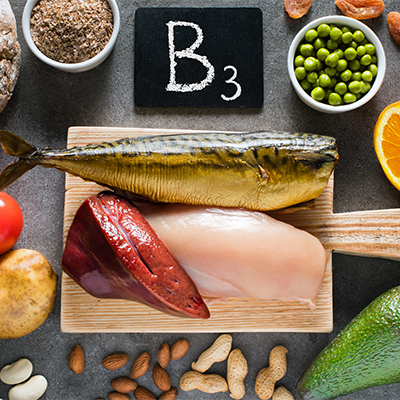
If animal products are a regular part of your daily routine, getting enough B12 is usually a breeze. The best sources of B12 here are primarily meat and fish, such as beef liver, mackerel, or salmon. If you prefer something less hearty, simply opt for cheeses like Emmental, have a hard-boiled egg, or grab a plain yogurt as a snack. These sources provide your body with this important vitamin in a completely natural way.
The all-plant option
If you avoid animal products, simply choose an easy solution. Since plants naturally contain no usable B12, fortified foods are the best choice here. Many manufacturers now add the vitamin directly to oat, almond, or soy milk. For a completely reliable daily intake, it’s best to take capsules or a few drops under the tongue. Since B12 is water-soluble, the body simply flushes out any excess – so you can hardly go wrong here [4].
Important to know: Who should take a closer look
Ultimately, a vitamin B12 deficiency often goes unnoticed for far too long. Especially those following a vegan or vegetarian diet should take targeted steps to prevent it from the start, rather than waiting until their stores are depleted after years. But even in old age or with chronic gastrointestinal problems, the body often loses the ability to properly absorb the vitamin. In these cases, even a meal containing meat doesn’t automatically protect against a deficiency!
So before you start taking extremely high-dose supplements on your own, it’s always worth getting a quick blood test from your doctor if you’re unsure. That way, you’ll know your exact status and can replenish your stores safely and effectively, so your energy returns quickly to your daily life.
Curious? In our magazine, you’ll find more exciting articles on similar topics:
- Vitamin D – More than just a vitamin
- Vitamin B12 intake in a vegan diet
- Sleep better naturally with L-theanine, lemon balm, and passionflower for a new rhythm
- What are B vitamins – and why do we need them?
- Do you get out of breath faster than you used to? What your cardiovascular system has to do with it
FAQ – Frequently Asked Questions

How much vitamin B12 do you need per day?
The German Nutrition Society recommends a daily intake of 4 micrograms for adults [1]. Pregnant and breastfeeding women have slightly higher needs and should pay special attention to their intake.
Is it possible to consume too much vitamin B12?
A classic overdose from food or supplements is considered very rare [3]. Since the vitamin is water-soluble, a healthy body simply excretes excess amounts through urine.
Which foods contain the most B12?
The absolute top sources are organ meats such as beef liver, with about 70 micrograms per serving. Fish such as salmon also provide significant amounts, with about 2.6 micrograms per serving. Among vegetarian sources, dairy products such as milk, yogurt, and cheese, as well as eggs, contribute to B12 intake [3].
For whom is taking vitamin B12 not ideal?
People with certain rare pre-existing conditions, such as the hereditary disease Leber’s optic atrophy, should be very cautious when taking high-dose supplements. If in doubt, a brief consultation with a doctor can help determine the appropriate form.
How long does it take to correct a vitamin B12 deficiency?
That depends on the severity of the deficiency. Initial improvements often become apparent within a few weeks, but it may take a little longer for stores and blood levels to return to normal [5].
Which medications can contribute to a vitamin B12 deficiency?
Stomach acid blockers such as pantoprazole or omeprazole in particular can lead to a deficiency, since without sufficient stomach acid, the vitamin cannot be released from food [3]. Metformin, a widely used diabetes medication, can also block the active absorption of B12 in the intestines [1].
Are there any side effects associated with taking B12?
Since excess B12 is simply excreted, side effects are extremely rare at normal doses. Only in very high doses administered via injections or capsules may temporary skin blemishes, such as acne, occur in isolated cases [4].