Graviola: Botanical power for your summer routine
So, how many hours of sunshine have you racked up this week? Whether it’s a sweat-inducing hike in the mountains or a passionate gardening session in the garden: In summer, we all automatically kick it up a notch. But while we soak up that extra dose of vitamins and sunshine, our bodies are working overtime behind the scenes to process all the new experiences and the heat.
If you want to do your body some good, the tropical graviola plant offers a wonderfully refreshing addition to your daily routine. In the following article, you’ll learn why this exotic fruit is the real highlight for hot days, how the antioxidants it contains can support your cells during the summer, and what health-conscious shoppers should look for.
What exactly is graviola?
Graviola... it sounds a bit like vacation, doesn't it? Its botanical name is Annona muricata, but you might also know it as spiny custard apple, guanabana, or, as it's known internationally, soursop. Imagine a lush green fruit tree growing in the tropical regions of the Americas, for example, in the heart of Brazil. Its crown is adorned with impressive fruits: large, often heart-shaped, with a green skin studded with soft, fleshy spines. When you cut the fruit open, it reveals creamy-white, juicy flesh dotted with black seeds. And the taste? Exotic, sweet and tart, with notes reminiscent of pineapple, strawberry, and a hint of zesty lemon. A true fruit highlight!
Tradition meets modernity: An overview of the plant’s parts
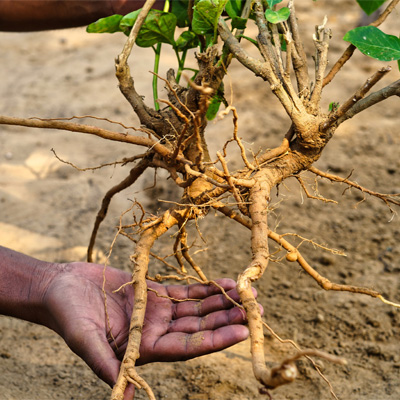
The indigenous peoples of South America have valued the tropical graviola tree for centuries as nature’s ultimate treasure trove. While the refreshing pulp usually ends up on plates or in glasses as a delicious snack or juice in the countries of origin, traditional herbal medicine has long harnessed the potential of the entire tree: from the root to the bark to the leaves [1].
Modern science is also taking a close look at graviola and is gradually discovering the astonishing variety of valuable plant compounds it contains [1]:
- Flavonoids & Phenols: Well-known plant compounds valued for their powerful antioxidant properties.
- Acetogenins: A unique group of natural compounds typical of the Annonaceae family that is the subject of intensive research.
- Alkaloids: Natural plant compounds that contribute to the plant’s self-defense and are attracting great interest in research.
This brief overview will help you see at a glance which parts of the plant are edible and what you should keep in mind [1]:
Plant Part |
Taste & Uses |
Nutrients & Special Characteristics |
Fruit Pulp |
Sweet and tart, refreshing; ideal for juices, purees, bowls, and tropical smoothies. |
Rich in natural vitamin C, B vitamins, fructose, and plant-based antioxidants. |
Leaves, Seeds & Roots |
Not suitable for consumption. |
Contain highly concentrated compounds (e.g., annonacin); are not approved for food use in the EU. |

Your cellular shield: How antioxidants help you get through the summer
Why is graviola on everyone’s lips during the sunny months, of all times? It’s simple: While summer brings us plenty of joy and pure sunshine, it also takes a toll on our bodies.
Extensive sunbathing, sweltering heat, sweat-inducing workouts, or hours spent in the garden: For your body, this means working at full capacity. UV radiation, lots of physical activity, and everyday environmental factors lead to an increase in so-called free radicals in your tissues. These are tiny, highly reactive oxygen molecules. If they aren’t neutralized, oxidative stress occurs. Just imagine it as a tiny, invisible rusting process inside your cells.
This is exactly where the valuable nutrients from the delicious graviola fruit come into play, acting, so to speak, as your personal bodyguard for those hot days [1]:
- Your radical scavengers in constant action: The vitamin C contained in the fruit, as a powerful antioxidant, neutralizes free radicals and helps protect your cells from oxidative stress.
- Support from within: These nutrients can actively bolster your body’s own protective and repair mechanisms.
- Staying in Balance: You can help your body stay completely centered, even after long, active summer days.
From the tropics to the shelf: In what forms is graviola available here?
If you’re now itching to head straight to the nearest supermarket, we’ll have to slow you down just a little: You’ll rarely find fresh graviola fruit in regular grocery stores here in Germany. Due to the very long shipping distances and its soft, pressure-sensitive skin, the fresh fruit rarely makes its way to us in Europe.
But don’t worry, you don’t have to fly all the way to Brazil to enjoy this tropical treat! You’ll mainly find these forms in stores, which can be easily incorporated into your summer routine:
- Frozen pulp & puree: You can often find frozen pulp in specialty Asian or Latin American markets, as well as online. Perfect for adding an exotic burst of freshness to summer smoothies or breakfast bowls!
- Fruit juices & nectars: Often available as a delicious, ready-to-drink refreshment or in combination with other tropical fruits (be sure to check the sugar content here).
- Fruit Extract (Capsules & Powder): For anyone who wants to easily incorporate the benefits of this tropical fruit into their daily routine, there are high-potency extracts made from the pure pulp of this powerhouse plant.

Quality & safety: What you should definitely look for when buying
As promising as graviola may be, as with any natural product, it’s crucial to choose and handle it correctly so you can enjoy its benefits safely and fully.
- Purity & Naturalness: When buying graviola juices or purees, make sure they are 100% pure and, ideally, contain no added artificial sugars or preservatives.
- Careful Preparation: If you’re working with frozen fruit pulp, be sure to remove any black seeds before blending, as these are not suitable for consumption.
- Responsible Consumption: A balanced diet and an active lifestyle are the foundation of your vitality. Juices and purees are a delicious, refreshing addition to this.
- Special Precautions: Soursop products are not recommended during pregnancy and breastfeeding, as some of the plant’s components may have uterine-stimulating (labor-inducing) effects. If you suffer from very low blood pressure or are taking blood pressure-lowering medications, you should discuss their use with your doctor beforehand [2].
Curious about other topics? Then take a look at our magazine:
- Sleep despite the summer flood of light with melatonin, passion flower & co.
- What are B vitamins - and what do we need them for?
- New cell energy with B vitamins, NADH and alpha lipoic acid
- Mental strength in the summer: stay calm on hot days with roseroot and ashwagandha
- Understanding Triphala: Three fruits for your digestion and inner balance

FAQ – Frequently Asked Questions
How do I make a smoothie with graviola?
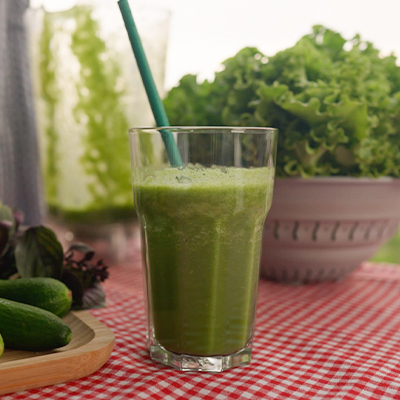
For a tropical refreshment, simply add a cup of graviola juice or thawed fruit pulp purée to a blender along with a frozen banana and a cup of green tea (or coconut water). Blend thoroughly, add ice cubes as desired, and enjoy your ice-cold summer drink!
How much graviola should you take daily?
Since concentrations in capsules and powders vary widely depending on the degree of extraction, there is no universal standard dosage. Therefore, when taking dietary supplements, always strictly follow the recommended intake on your product packaging.
What side effects or risks should be considered when taking graviola?
While the fruit pulp is generally well tolerated, the plant (especially the seeds and leaves) contains a substance called annonacin, which can cause nerve damage in high doses [3, 4]. Be sure to choose products made from pure fruit pulp, avoid high-dose long-term use, and consult your doctor beforehand if you are taking any medications [4].
Can graviola lower blood pressure?
Studies suggest that graviola may slightly lower blood pressure [5]. However, if you’re already taking blood pressure medication, it’s best to check with your doctor first to avoid any complications.