Hashimoto's thyroiditis: Understanding the silent attack on the thyroid gland
Have you ever experienced your own immune system suddenly deciding that your thyroid is the final boss? That’s exactly what happens with Hashimoto’s thyroiditis: Your body wages a silent battle against one of its most important metabolic organs, often making it the invisible cause of a creeping hypothyroidism [1]. Since the first warning signs usually get lost in the background noise of daily life, the diagnosis often goes undetected for years, while you wonder why your inner drive is constantly hitting the brakes.
In this article, we shed light on the mystery of inflammation: We help you correctly interpret your body’s complex signals and show you which modern treatment options can help you regain your former strength today.

Hashimoto’s thyroiditis: What exactly is it?
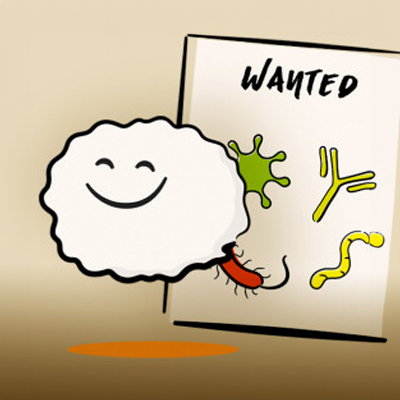
You may have heard the name “Hashimoto’s” before and are now wondering exactly what this condition is all about. Hashimoto’s is caused by a malfunction of your body’s defense system: your immune system mistakenly identifies your thyroid gland as a foreign body and begins to attack it [2]. This chronic inflammation gradually slows down your body’s internal powerhouse until you eventually develop hypothyroidism, essentially the opposite of the stressful hyperthyroidism, where your body would be constantly running at full speed.
We owe our current understanding of this condition to the Japanese physician Hakaru Hashimoto, who discovered this phenomenon as early as 1912 and gave it his name.
Hashimoto vs. Hashimoto’s thyroiditis: Is there a difference?
If you’re now wondering whether you have “Hashimoto’s” or “Hashimoto’s thyroiditis”: Don’t worry, they’re exactly the same thing. “Hashimoto” is simply the common abbreviation we use in everyday life. Both terms describe the identical autoimmune reaction in your thyroid. So no matter which word your doctor uses, it always refers to the same process in your body.
The different faces of hashimoto’s
Even though the name remains the same, the disease does not progress the same way in everyone. Depending on how your body reacts to the inflammation, it can manifest in different forms and severities. In addition, there are several related or similar conditions that are often mentioned in this context:
- Classic Hashimoto’s thyroiditis: The most common form, in which your thyroid tissue is slowly broken down, gradually leading to hypothyroidism [3].
- Atrophic thyroiditis: In this case, the thyroid gland shrinks over time instead of enlarging [3].
- Postpartum thyroiditis: A temporary condition that can occur after pregnancy and often resolves on its own [3].
- Hashimoto’s encephalopathy: A very rare variant in which neurological symptoms may also occur [4].
The insidious path: How Hashimoto’s can develop
Hashimoto’s usually doesn’t strike overnight. The disease typically progresses insidiously and can develop over a long period of time through various stages [3]:
- Genetic predisposition: You carry the risk in your genes, but you don’t yet feel any symptoms and your test results are normal.
- Silent autoimmunity: Antibodies against the thyroid gland are already present in your blood, even though the gland is still functioning normally.
- Mild hypothyroidism (subclinical): Your brain has to stimulate the thyroid gland more strongly (elevated TSH level) to keep the actual hormones (T3 and T4) just within the normal range.
- Noticeable hypothyroidism (manifest): Your thyroid hormone levels are now dropping significantly, and you’re noticing the first physical symptoms.
- Advanced stage: The thyroid gland is severely damaged by chronic inflammation, resulting in very pronounced symptoms.
Symptoms: When your thyroid goes out of sync
The signs of Hashimoto’s thyroiditis are often like a chameleon: they are varied and unclear, which is why diagnosis can sometimes be a real test of patience. Since your metabolism slows down due to the underactivity, your body often sends very different signals [3]:
- Fatigue and exhaustion: You feel sluggish, even though you’ve actually had enough sleep.
- Weight gain: The pounds are piling on, even though you haven’t changed anything about your diet.
- Sensitivity to cold: You feel cold more quickly than others and often have cold hands or feet.
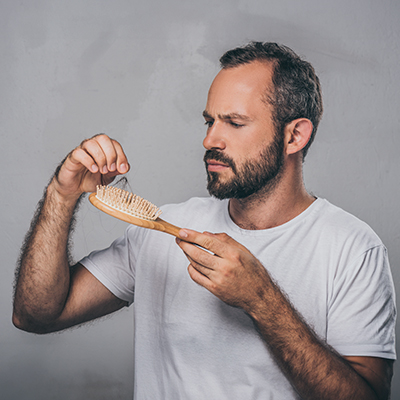
- Skin, hair, and nails: Your skin becomes dry, your nails become brittle, or you notice increased Haarausfall.
- Digestion: Your bowels become sluggish, which often leads to constipation.
- Mental state: You experience depressive moods or difficulty concentrating (“brain fog”).
- Physical pain: Your muscles and joints ache even when you haven’t exercised.
Important for you: Since these symptoms can also be caused by many other conditions, a thorough examination by your doctor is the only way to truly get clarity.
Is Hashimoto’s thyroiditis dangerous?
The good news first: In most cases, the condition is very treatable [5]. If your treatment is properly managed, you don’t need to fear serious complications. Problems usually only arise if the hypothyroidism remains untreated for a long time. In that case, the hormone deficiency can take a toll on your body and lead to the following problems [3]:
- Heart & Circulation: Your risk of cardiovascular disease may increase.
- Blood Tests: Your cholesterol levels may worsen.
- Fertility: Infertility or complications during pregnancy may occur.
- Mental health & bones: Over time, depressive moods may develop, and other metabolic processes in the body may also change.
In addition, when an autoimmune disease is present, the immune system tends to “overreact” in other areas as well. As a result, those affected have a slightly increased risk of developing other conditions such as celiac disease or type 1 diabetes [3].
Your safety net: With regular check-ups and a well-coordinated treatment plan, you can better manage these risks, allowing your daily life to regain a noticeable sense of stability.
Nutrition: What you should pay attention to
Unfortunately, there is no single, perfect Hashimoto’s diet. But: You have the power to support your body in the best possible way by making the right choices on your plate and fighting inflammation.

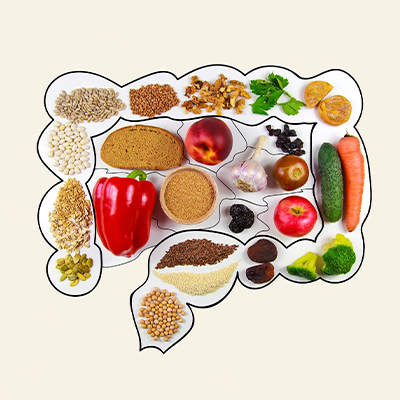
Nutrient-rich foods instead of fast food: Focus on a balanced diet: plenty of fresh vegetables, low-sugar fruits, and high-quality proteins. By avoiding highly processed foods and ready-made meals, you’ll noticeably relieve your body of unnecessary stress.
The Dream Team: Selenium & Zinc: These two trace elements act as true bodyguards for your thyroid and immune system. They can help keep inflammatory processes and hormone balance in check [6].
Be careful with iodine: While iodine is important for a healthy body, too much of it can act like gasoline on a fire for people with Hashimoto’s [3]. So it’s best to enjoy iodine-rich foods like seaweed or seafood in moderation.
Gluten – worth a try? Some people feel significantly better when they cut out gluten. So if you notice that your stomach reacts sensitively, a gluten-free period might be something for you.
10 tips for your daily life with Hashimoto’s
The diagnosis isn’t a stop sign for an active and fulfilling life. If you keep a few simple things in mind, you’ll stay in control:
- The Morning Ritual: Take your medication (if you take any) right after getting up on an empty stomach and wait 30 minutes before breakfast. This allows your body to absorb the hormones optimally.
- Make sleep a priority: Give your body plenty of rest. Since fatigue can be a constant companion, sticking to regular bedtimes and creating a relaxed environment usually goes a long way.
- Gentle exercise: Stay active, but without completely exhausting yourself. Yoga, swimming, or a brisk walk get your metabolism going without stressing your body.
- Let go of stress: Your immune system thrives on relaxation. Whether it’s meditation, deep breathing, or progressive muscle relaxation, find a technique that calms your mind.
- Your Wellness Diet: As mentioned earlier, a nutrient-rich diet can help alleviate your symptoms. Feel free to experiment (but be sure to consult your doctor first) with anti-inflammatory foods or a gluten-free diet.
- Regular check-ups: Stay in close contact with your healthcare provider. Regular blood tests are important to ensure your medication is always perfectly tailored to your current condition.
- Connecting helps: You’re not alone! Connecting with others facing similar challenges in forums or support groups often provides valuable everyday tips and emotional support.
- Holistic support: Think outside the box: Complementary approaches like osteopathy or acupuncture can help boost your overall well-being.
- Mindful boundaries: Learn to listen to your gut and say “no” more often. Schedule intentional breaks into your day before everything becomes too much to handle.
- The power of vitamins: Selenium, zinc, and vitamin D can support your body [7]. But be careful: Only take supplements after consulting your doctor to avoid overdoses.
Research and future prospects
Research on the thyroid gland is constantly evolving: scientists around the world are working to better understand this abnormal immune response. The goal is not only to compensate for the hormone deficiency in the future, but to tackle the inflammation right at its root. Thanks to increasingly precise diagnostic methods, treatments are becoming more and more personalized, so that in the future you’ll be able to tailor your treatment even more precisely to your body and lifestyle.
Curious about other topics? Then take a look at our magazine:
- Men in focus – Zinc & selenium as silent support for the body
- Vitamin D – More than just a vitamin
- Fibromyalgia: Living with chronic pain
- Magnesium in the hormone check: Why it’s often an issue with PMS and premenopause
FAQ – Frequently Asked Questions
What is the difference between Hashimoto’s and other conditions like Graves’ disease or Addison’s disease?
While Hashimoto’s slows down your metabolism (hypothyroidism), Graves’ disease revs it up to extreme levels (hyperthyroidism). Addison’s disease, on the other hand, does not affect your thyroid gland but rather your adrenal glands.
What are the causes and risk factors?
Most often, it is a combination of your genes and external triggers such as infections or hormonal changes [3]. Other existing autoimmune diseases can also increase your risk.
What role does mental health play in Hashimoto’s disease?
The hormonal imbalance can drastically affect your mood and feel like depression or constant restlessness. However, once your hormone levels are properly managed, these mental lows can disappear.
How is a diagnosis made?
The decisive information usually comes from a combination of a blood test and an ultrasound. While the lab specifically looks for certain antibodies, your doctor can assess from the ultrasound image whether the tissue structure already shows the typical changes.
At what age does Hashimoto’s disease most commonly occur?
The condition can theoretically affect you at any age, but it is particularly common between the ages of 30 and 50 [5]. Women are significantly more likely to be affected than men [5].
How is Hashimoto’s treated?
Typically, the missing hormone is replaced with a daily tablet (L-thyroxine) to get your metabolism back on track. Since every body works at its own pace, it takes a bit of patience and regular blood tests at first until you’re optimally adjusted and your well-being can return.

Three facts to take away
Fact 1: Progression in stages
Hashimoto’s disease progresses gradually through several stages. It often begins with silent autoimmunity without symptoms, before leading to noticeable hypothyroidism over the course of years [3].
Fact 2: A power duo for balance
Selenium and zinc act like little bodyguards for your thyroid. They can help the immune system keep inflammatory processes and hormone balance stable [6, 7].
Fact 3: Prevalence in women
Women are significantly more likely to be affected by Hashimoto’s than men. Most diagnoses are made between the ages of 30 and 50 [5].
[1] https://www.bioscientia.de/hashimoto-thyreoiditis
[2] https://www.msdmanuals.com/hashimoto-thyreoiditis
[3] https://www.ncbi.nlm.nih.gov/NBK459262
[4] https://flexikon.doccheck.com/Hashimoto-Enzephalopathie
[5] https://www.aok.de/hashimoto-thyreoiditis-ursachen-symptome-und-behandlung
[6] https://www.mdpi.com/2362
[7] https://www.journalmed.de/nährstoffe-darmgesundheit-bewegung-hashimoto-thyreoiditis