Sore muscles and heavy legs? Why your body might be lacking the right building blocks
If recovery after exercise is slow, your muscles constantly feel heavy, or you feel like your energy isn’t coming back in your daily life, you’ll probably look first at your sleep or your workout plan. While that’s a good starting point, it often doesn’t go far enough.
It’s worth taking a closer look at the processes happening at the cellular level. Muscles, enzymes, and even many neurotransmitters in the nervous system consist largely of proteins, which are built from amino acids. If you’re not mindful of these building blocks in your daily life, many biological processes in your body simply won’t function optimally.
Amino acids and their functions
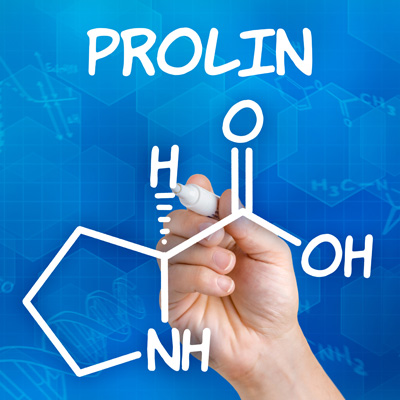
To develop a basic understanding of what amino acids are actually responsible for in the body, it helps to take a look at the fundamentals of biology. What exactly are amino acids? Chemically speaking, they are organic molecules composed of nitrogen, carbon, hydrogen, and oxygen. They possess at least one carboxyl group (–COOH) and one amino group (–NH2).
More than 250 different compounds exist in nature. For the human body, however, only a small selection of 20 so-called proteinogenic (protein-forming) compounds is of central importance [1].
These building blocks are broadly divided into three categories:
- Non-essential compounds: Your body can produce these on its own as needed.
- Conditionally essential compounds: These are usually produced by the body itself, but must be obtained from food in certain situations (such as during periods of rapid growth or after intense physical exertion).
- Essential amino acids: The human body cannot produce these at all or can only produce them in insufficient quantities. They are vital for us and must be obtained daily through food [2].
Essential amino acids: A focus on the eight most important building blocks
There are a total of eight of these vital building blocks that your body needs for what is known as protein biosynthesis, the process by which cells produce new proteins according to the blueprint provided by DNA [3]. If even a single building block is missing, the entire system grinds to a halt.
Here is a concise overview of the eight essential amino acids and their physiological functions:
- Leucine: Plays a central role in protein metabolism and serves as a direct building block for the maintenance and structure of muscle tissue [4].
- Isoleucine: Works closely with leucine, is also involved in muscle metabolism, and plays a role in cellular energy production.
- Valine: Supports the transport and rapid uptake of proteins into the muscles and liver.
- Lysine: Is an essential component in the formation of collagen and is therefore important for the structure of connective tissue, cartilage, skin, and bones [5].
- Methionine: Serves, among other things, as an important source of sulfur for the body and is involved in transport processes in fat metabolism.
- Phenylalanine: Acts as a biological precursor for important neurotransmitters in the nervous system, such as the hormone dopamine [6].
- Tryptophan: Is the essential precursor for the formation of the neurotransmitter serotonin as well as the sleep hormone melatonin [7].
- Threonine: Is an integral component of dental tissue and collagen and supports the normal function of fat metabolism in the liver.

Why amino acids are especially important for athletes and active people
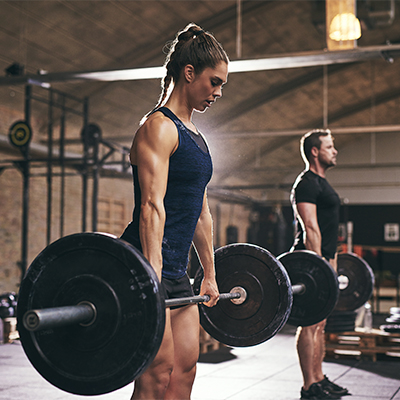
When you exert yourself physically, tiny microtears form in the muscle fibers, which is what we often feel as muscle soreness the next day. The body needs protein for subsequent repair and to protect against premature muscle fatigue.
In particular, the three branched-chain amino acids, leucine, isoleucine, and valine (also known as BCAAs), are metabolized directly in the muscles rather than being routed through the liver first. A heightened awareness of this supply ensures that the tissues have the necessary building blocks for recovery immediately after training [4].
Signs of insufficient intake
Since amino acids are involved in nearly all biological processes, an inadequate supply can manifest through various nonspecific signals. When the body lacks these basic building blocks, this can lead to the following reactions, among others:
- Delayed recovery after exercise and persistent muscle weakness
- General decline in performance and fatigue in daily life
- Structural changes in the skin, hair (e.g., hair loss), or nails, as important structural proteins such as keratin are not produced in sufficient quantities [8].
- Increased demand during stressful life phases, as the body synthesizes more stress hormones from amino acids.

The best foods: How to replenish your stores
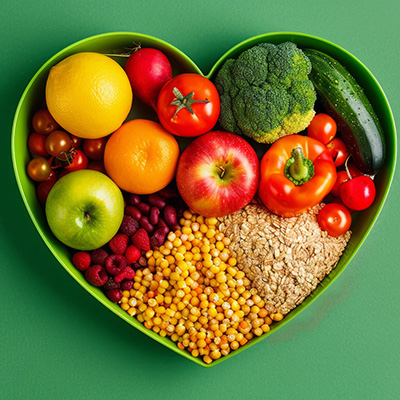
In most cases, a balanced and targeted diet can ensure an adequate supply. As a general rule, foods high in protein also provide the most amino acids.
Animal protein sources often have a higher biological value because their amino acid profile is very similar to that of the human body. However, a well-balanced combination of plant-based foods can also provide an optimal supply [9].
The following list shows you which foods are particularly rich in each of the essential amino acids:
Animal sources
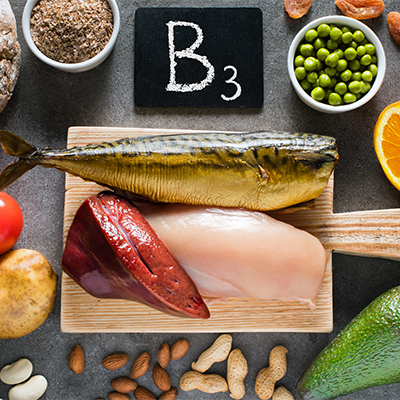
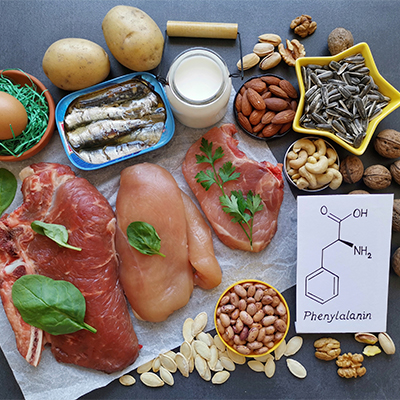
- Salmon & Tuna: Provide particularly high amounts of leucine, isoleucine, valine, phenylalanine, and threonine.
- Beef & Poultry: Are excellent sources of leucine, isoleucine, threonine, and phenylalanine.
- Cheese (Parmesan & Gouda): Naturally contains large amounts of lysine, leucine, and tryptophan.
- Chicken eggs: Offer a very balanced profile with ample valine and leucine.
Plant-based sources
- Legumes (lentils, chickpeas, and peas): Are the top sources of lysine, isoleucine, and threonine.
- Beans (white beans & mung beans): Provide a reliable source of leucine and valine.
- Seeds & nuts (sesame seeds, pumpkin seeds & peanuts): Are packed with methionine, tryptophan, and leucine.
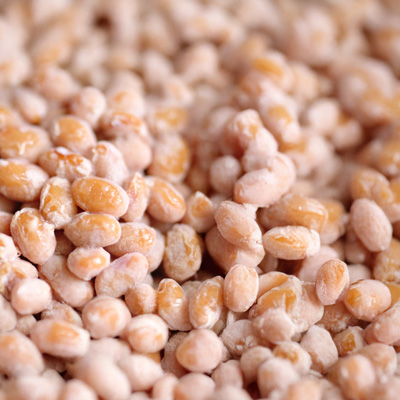
- Soybeans & whole grains: Provide a solid foundation of phenylalanine and threonine.
Anyone who develops an awareness of the importance of a varied protein intake, whether vegan, vegetarian, or meat-based, understands the foundation for smooth recovery and a healthy metabolism. When your needs increase due to sports or stressful periods, targeted dietary supplements can also be a simple way to ensure your daily intake.
Curious about other topics? Then take a look at our magazine:
- Amino acids for weight loss
- What is L-Arginine - and what role does it play in muscle building?
- The body needs phenylalanine for this
- When movement feels different: MSM and the role of organic sulfur
- The right vitamins to combat hair loss
FAQ – Frequently Asked Questions

Does it make sense to take amino acids?
Supplemental intake is recommended for those with a high exercise workload, a strictly plant-based diet, or increased stress.
Which amino acids have anti-inflammatory properties?
Amino acids have no direct medicinal effects, but building blocks such as glutamine, arginine, and glycine support the body’s own defenses at the cellular level. They serve as an important foundation for the immune system and help cells cope with oxidative stress.
How many essential amino acids per day?
Depending on the amino acid, the WHO recommends between 4 mg (tryptophan) and 39 mg (leucine) per kilogram of body weight per day. For a 70-kg adult, for example, this corresponds to a daily intake of about 2.7 grams of leucine.
Is it possible to consume too many essential amino acids?
Yes, a prolonged overdose puts a strain on the metabolism, as excess amino acids must be broken down in the liver and excreted through the kidneys. In addition, extremely high-dose, isolated supplements can block the absorption of other important amino acids in the intestines.
Sources:[1] https://www2.chemie.uni-erlangen.de/aminosaeuren
[2] https://www.apotheken-umschau.de/warum-der-koerper-essentielle-aminosaeuren-braucht
[3] https://www.bfr.bund.de/gesundheitliche-bewertung-von-aminosaeuren
[4] https://www.vitalstoff-lexikon.de/Aminosaeuren/Leucin/Funktionen
[5] https://www.vitalstoff-lexikon.de/Aminosaeuren/Lysin/Interaktionen
[6] https://www.st-georg-apotheke-heide.de/l-phenylalanin-l-tyrosin
[7] https://www.tk.de/tryptophan-wichtiger-baustein-fuer-den-koerper
[8] https://www.zentrum-der-gesundheit.de/proteinmangel-und-haarausfall
[9] https://www.aok.de/aminosaeuren-mangel-wirkung-und-pflanzliche-quellen