Is your cycle out of whack? Chasteberry for PMS and menopause
Sometimes it feels as though your own body is suddenly developing a dynamic all its own. Perhaps you notice that your period no longer arrives as reliably as usual, or your well-being begins to waver days before your actual period. Especially during menopause or in phases when your cycle is more noticeable than usual, these hormonal fluctuations can make daily life challenging and cause uncertainty.
When seeking support for inner balance, many women turn to traditional natural remedies that have been valued for generations for promoting female balance: monk’s pepper. It offers a valuable way to better understand the body’s own processes and to help the body maintain its natural rhythm.
Monk’s pepper and Agnus castus as botanical support

Botany and nature’s legacy
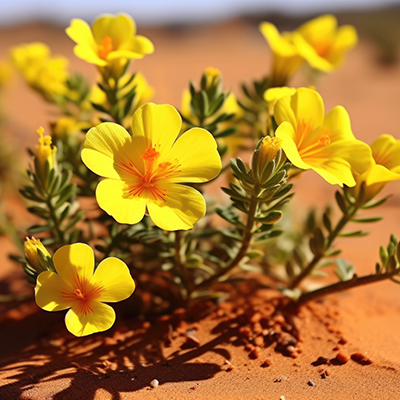
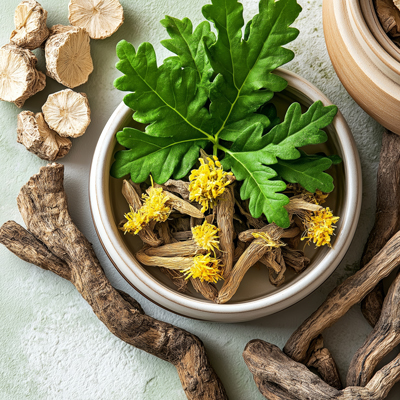
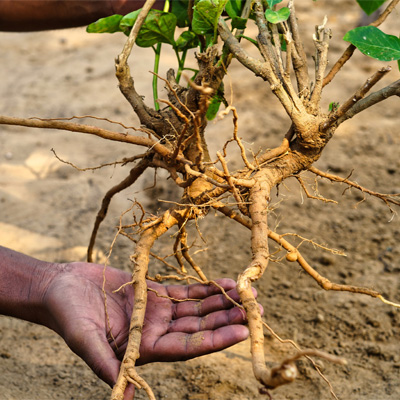
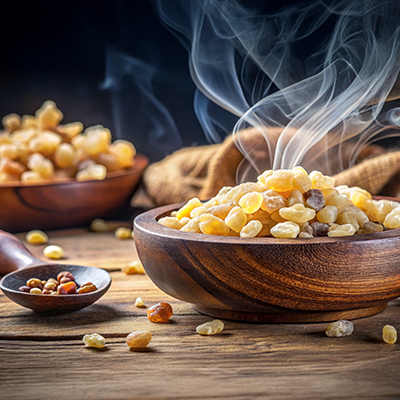
Chasteberry, botanically known as Vitex agnus-castus, is a botanical extract that has its roots in the sunny Mediterranean region [1]. In modern phytotherapy, the dried fruits form the core of the treatment. They are rich in valuable compounds such as bicyclic diterpenes, which can deeply influence the intricate workings of our endocrine system.
Gentle support instead of harsh interventions
Unlike synthetic approaches, monk’s pepper is not about suppressing natural processes. Rather, it acts as a botanical companion that supports the body in maintaining its own balance. It helps the system regain a harmonious foundation for monthly well-being.
Mechanism of action: Focus on the hormonal effect
The interplay of prolactin and the cycle
Behind many challenges related to the menstrual cycle lies a complex network of neurotransmitters, including the hormone prolactin. The active compounds in monk’s pepper can interact with dopamine receptors. Since dopamine plays a regulatory role in prolactin release, monk’s pepper is traditionally used to support a balanced ratio of these neurotransmitters [2].
Effect on menstruation and menstrual cycle disorders
By helping to maintain normal prolactin levels, the interaction between estrogen and progesterone can be indirectly supported. Typical uses therefore include managing irregular cycles or promoting well-being during the second half of the cycle [3]. The goal is to help the body bring its monthly phases back into a more balanced rhythm.
Use for PMS and premenstrual symptoms

Making the time before your period more manageable
Almost every woman of childbearing age is familiar with the sensitive days leading up to menstruation [4]. Accompanying symptoms such as painful breast tenderness or a tendency toward water retention are often perceived as distressing.
This is where monk’s pepper comes in: Since its active ingredients mimic the effects of the body’s own neurotransmitter dopamine, they can help reduce the release of prolactin [2]. Since elevated prolactin levels are often the primary cause of breast tissue swelling and water retention, monk’s pepper can help relieve this hormonal pressure and support monthly well-being.
Mental balance and emotional stability
However, emotional well-being is also closely linked to the menstrual cycle. Hormonal fluctuations affect neurotransmitters such as serotonin. In this context, chasteberry is valued for its ability to help maintain emotional balance and alleviate periods of irritability, inner restlessness, or nervous tension [5].
A nuanced perspective: PMS versus PMDD
It is important to monitor the intensity of symptoms. While many women cope with general cycle-related issues, there is a more severe form known as premenstrual dysphoric disorder (PMDD) [6]. This is characterized by very pronounced psychological components. Here, detailed documentation using a cycle diary is a valuable first step toward later professional assessment.
Chasteberry during menopause

An anchor in times of change
Menopause marks the beginning of a period of adjustment. Often, progesterone levels drop faster than estrogen levels, leading to a hormonal imbalance. Chasteberry can serve as gentle support during this time to help regulate cycle irregularities and positively influence accompanying symptoms such as breast tenderness or sudden mood swings [7].
Evaluation of the scientific evidence
Modern science now confirms what naturopathy has long utilized: The role of monk’s pepper has been documented in numerous studies, particularly in the areas of cycle regulation and breast tenderness [8].
Intake, dosage, and onset of action
The art of proper use
For reliable support, a daily dosage of approximately 12–20 mg of dry extract is generally recommended. Important for success: Intake should be continuous and uninterrupted, including during your menstrual period.
Patience as a partner to success
Since hormones do not adjust overnight, patience is required. Chasteberry unfolds its power slowly and sustainably. As a rule, your body needs about three menstrual cycles before a noticeable harmonization and lasting cycle regulation set in [2].
Side effects and contraindications
Mindfulness regarding side effects and interactions
Although monk’s pepper is generally well tolerated, mild skin breakouts or gastrointestinal issues may occur in rare cases. Caution is advised if you are taking medications that affect the dopamine system (e.g., for Parkinson’s disease or certain mental health conditions).
Contraindications and medical consultation
The herb should not be used during pregnancy and breastfeeding, or in cases of hormone-dependent pre-existing conditions (such as breast cancer or endometriosis). A prior medical consultation is the safest way to ensure that monk’s pepper is exactly the right support for your individual situation.
Curious about other topics? Then take a look at our magazine:
- Gentle support through menopause: Myo-inositol, vitamin D & magnesium for balance and energy
- Holiday happiness from within: Beta-sitosterol & zinc – for your hormonal balance!
- Magnesium in the hormone check: Why it’s often a topic in PMS and premenopause
- Curry leaf extract: Botanical balance for cycle, energy, and inner stability
- Which magnesium is best? The comprehensive guide to forms, effects, and bioavailability
FAQ – Frequently Asked Questions
What should not be taken with monk’s pepper?
Monk’s pepper should not be taken together with medications that affect dopamine levels (e.g., certain antipsychotics), as this may lead to interactions. It should also only be combined with hormonal preparations, such as the birth control pill, after consulting a doctor.
When should you not take monk’s pepper?
It is not recommended during pregnancy or while breastfeeding. Monk’s pepper should also not be used without medical advice in cases of hormone-dependent conditions (e.g., breast cancer).
What are the criticisms of monk’s pepper?
Critics often point out that the body of research on very severe forms of the condition is not yet complete. Additionally, its use requires a great deal of patience, as the effects often do not become apparent until several months have passed.
Should you take monk’s pepper during menopause?
Yes, it can be particularly helpful in the early phase (premenopause) to gently regulate irregular cycles and associated mood swings.
Are there any known side effects or contraindications?
Possible side effects include mild skin blemishes, gastrointestinal discomfort, or headaches. Contraindications apply in cases of hypersensitivity to the plant.
What dosage is generally recommended?
A daily dosage starting at approximately 12 mg of the dry extract is standard. It is important to take it continuously for at least three months to give the body time to adjust.
Sources:[1] https://www.aok.de/moenchspfeffer-gegen-pms-und-regelschmerzen
[2] https://www.ndr.de/Moenchspfeffer-Wirkung-auf-Periode-PMS-und-Wechseljahre
[3] https://www.tk.de/praemenstruelles-syndrom-pms
[4] https://www.aok.de/was-gegen-pms-beschwerden-hilft
[5] https://susanzeun.com/moenchspfeffer
[6] https://www.springermedizin.at/pms-und-praemenstruelle-dysphorische-störung
[7] https://www.zentrum-der-gesundheit.de/moenchspfeffer
[8] https://www.barmer.de/moenchspfeffer