Curry leaf extract: Botanical balance for your cycle, energy, and inner stability
Do you know those days when your own body feels like an unsolved mystery? When the days leading up to your period are accompanied by a leaden fatigue, your mood swings without warning, or your sleep suddenly becomes shallow and restless during perimenopause? It’s as if your inner compass briefly loses its bearings and your usual vitality gives way to a vague sense of exhaustion.
In moments like these, we often seek quick energy or short-term fixes, but what our bodies actually need during these hormonal transition phases is gentle, nutrient-based support rather than mere stimulation. In modern naturopathy, the spotlight is turning to a gem that is causing a stir far beyond Indian cuisine: the curry leaf (Murraya koenigii). It is considered a subtle yet powerful ally for meeting the challenges posed by fluctuating nutrient needs, a complex energy metabolism, or metabolic shifts during various life stages with renewed stability.
Why the curry leaf is more than just a spice
Curry leaves are a veritable treasure trove of phytochemicals. While they have been valued in the Ayurvedic tradition for centuries as a symbol of protection and strength, modern science is only now beginning to understand in detail how the alkaloids, polyphenols, and minerals they contain can support the female body. Unlike synthetic or isolated substances, the extract offers a synergistic approach. This means that the various ingredients work hand in hand to support the energetic foundation where your inner balance originates.
Nutrient supply and energy: A focus during the cycle
Many women notice around the time of their monthly menstruation that their need for specific micronutrients increases. Fluctuating iron levels are a key issue here, as they are closely linked to personal energy levels. Curry leaves serve as a natural, plant-based source of iron [1]. What makes this plant special, however, is not just its mineral content itself, but the accompanying benefits: The leaves contain antioxidants that play a role in protecting cells from oxidative stress, which is often associated with an increased need for nutrients [2].
Targeted supplementation with curry leaf extract can help replenish nutrient stores from plant-based sources. Especially when combined with vitamin C, nutrient absorption can be optimized, which can make a valuable contribution to your daily nutrient balance if you feel less resilient during your period.
Metabolic support for hormonal balance
A factor often underestimated in relation to overall well-being during the menstrual cycle is metabolic stability. Significant fluctuations in nutrient intake can influence the release of neurotransmitters and thus disrupt the delicate balance of hormones. Scientific studies are focusing intensively on the enzymes contained in curry leaves. There is ongoing discussion about whether the extract can influence alpha-amylase, which would result in a more moderate and consistent absorption of carbohydrates [3].
A balanced metabolic state is regarded by experts as an important foundation for mitigating the typical emotional rollercoaster rides before your period through dietary means. If these processes are stabilized, this can indirectly help you feel more comfortable in your own skin again.
The role of micronutrients in metabolic functions
The thyroid gland is considered the pacemaker of your entire system. Since its function is inextricably linked to an adequate supply of minerals and protection against free radicals, curry leaf is also mentioned here. Studies in animal models are investigating whether extracts of Murraya koenigii can increase antioxidant capacity in tissues [4]. This is particularly relevant for women who feel that their metabolism needs additional nutritional support during phases of hormonal change.
Perimenopause: Gentle ways to find greater inner calm
As hormones begin to rebalance during the transitional phase of perimenopause, the body’s regenerative processes come to the forefront. Many women report changes in their sleep patterns during this time. This is where curry leaf extract comes in, acting as an adaptogenic support for the body’s systems.
- Cellular protection: The carbazole alkaloids contained in the extract, particularly mahanimbine, are being researched for their role in protecting nerve cells from oxidative stress [5].
- Regeneration phases: By helping to normalize metabolic processes, the extract creates an environment in which the body can more easily enter a natural rest phase in the evening.
Vitality for skin and hair
Changes in hair structure or declining skin elasticity during menopause are often directly linked to nutrient availability and reduced protection against environmental influences. The ingredients in curry leaves can supplement the nourishment of the scalp and hair follicles [6]. In traditional use, curry leaves have long been employed to strengthen the hair structure against external stressors. In combination with zinc, the extract helps maintain a normal nutrient base for the hair, which often appears thinner during periods of hormonal change.
Incorporating it into your daily routine
To ensure that the valuable components of the curry leaf can best fulfill their supportive role, the method of use is crucial:
- Dosage: In both the literature and clinical practice, daily doses of 300 mg to 600 mg of a standardized extract have proven effective [5].
- Timing: It is recommended to take it approximately 1 to 2 hours after a main meal. Additionally, the curry leaf extract should be taken approximately 1 hour after coffee, tea, or dairy products, as these inhibit iron absorption.
- Bioavailability: Since some of the phytochemicals are fat-soluble, it is recommended to take the extract after a meal containing high-quality fats (e.g., flaxseed oil or nuts).
Gentle warmth from the cup
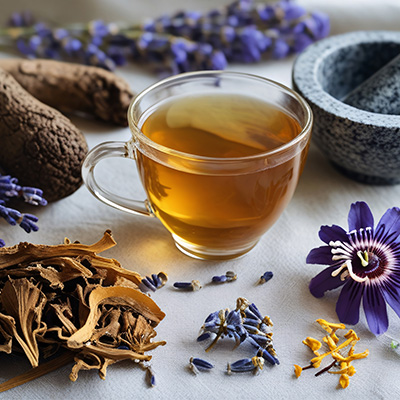
In addition to the nutritional benefits of curry leaf extract, time-tested herbal teas can support your daily life throughout the different phases of your cycle:
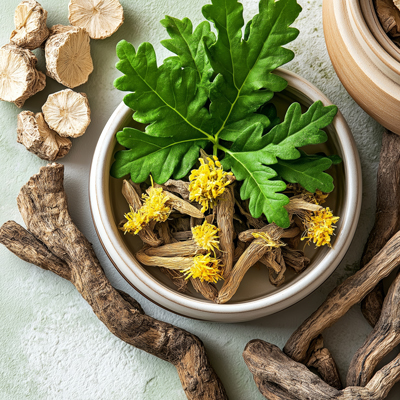
- Lady’s mantle & yarrow: These classic “women’s herbs” are traditionally valued during the second half of the cycle. They are considered gentle companions to support general well-being before menstruation.
- Lemon balm & passionflower: If your mind can’t settle in the evening during perimenopause, a cup of this tea can help kick off a relaxing evening routine.
- Sage: For hot flashes during menopause, sage tea (drunk lukewarm) is a tried-and-true home remedy to naturally regulate sweating.
Small rituals for big results
- Alternating-temperature foot baths: These can help calm the nervous system and improve blood circulation in the evening.
- Bitters: A few drops of bitters (e.g., from artichoke or dandelion) before a meal can aid digestion and curb cravings.
- Essential oils: Lavender oil on the temples or pillow promotes a relaxing atmosphere when hormonal changes cause restlessness.
Curious about other topics? Then take a look at our magazine:
- Hormonal balance & a gentle reset after holiday stress with Shatavari
- Warm, calm, cycle-friendly – monk’s pepper as a gentle anchor for PMS
- Clear your mind before things get noisy again – Find your center again with ginkgo, ginseng, and bacopa
- Holiday happiness from within: Beta-sitosterol & zinc – For your hormonal balance!
- Gently supporting menopause: Myo-inositol, vitamin D, and magnesium for balance and energy
FAQ – Frequently Asked Questions
How long should curry leaf extract be used?
Plant-based nutrients work gently. Continuous use for 8 to 12 weeks is recommended to support the body’s natural processes over the long term.
How does the extract support the menstrual cycle?
It serves as a plant-based source of minerals and antioxidants that can support metabolism during periods of particular stress.
Is it beneficial to take this in older age?
Yes, to supplement daily antioxidant intake. These play an important role in protecting cells from oxidative stress.
What is the difference from curry powder?
Curry powder is a spice blend. The extract provides the active ingredients of the real curry leaf (Murraya koenigii) in a concentrated, standardized form.
Can I take the extract with coffee?
Tannins in coffee or tea can hinder the absorption of minerals. It is advisable to wait 30 to 60 minutes before or after consumption.
Are there any medication interactions?
Since the extract supports natural metabolic processes, you should consult a specialist before using it if you are currently taking medication.
Sources:[1] https://www.medanta.org/health-benefits-of-curry-leaves
[2] https://www.healthline.com/curry-leaves-benefits
[3] https://www.idyl.co.in/curry-leaves-for-reducing-blood-sugar
[4] https://www.sciencedirect.com/S0009279706003425
[5] https://pmc.ncbi.nlm.nih.gov/PMC8773876
[6] https://www.carehospitals.com/health-benefits-of-curry-leaves