All about caffeine
Summer invites us to enjoy long days and be fully productive, but when our focus starts to wane in the afternoon, most of us automatically reach for a cup of coffee. But what exactly happens in our bodies when we do that? This guide takes a look behind the scenes of the world’s number one pick-me-up and answers the most important questions about caffeine’s effects, its content in foods, and individual differences in how it’s metabolized.
What is caffeine?
Caffeine (often referred to as “coffein” in biochemical contexts) is a naturally occurring alkaloid found in the leaves, seeds, and fruits of over 60 different plant species worldwide [1]. Plants produce this substance primarily as a natural defense mechanism against pests.
For humans, it is the most widely consumed psychoactive substance in the world [2]. Simply put, this means that caffeine can temporarily affect brain function, and thus perception, mood, and focus, usually making us feel more alert and attentive.
The discovery of caffeine
The use of caffeine-containing plants dates back centuries in many cultures. The active ingredient was first isolated in 1819 by the German chemist Friedlieb Ferdinand Runge, who received a tip about it from the famous poet Johann Wolfgang von Goethe. Today, the substance is an integral part of modern daily life and the most thoroughly researched stimulant worldwide.
The effects of caffeine on the body
The stimulating effect of caffeine is based on a biochemical mechanism in our brain known as the “adenosine duel.”
The adenosine duel in the brain
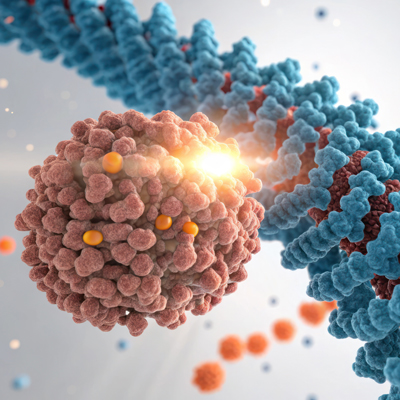
Throughout the day, the body releases the neurotransmitter adenosine. The more adenosine binds to specific receptors in the brain, the more tired we feel. This neurotransmitter acts as the body’s built-in safety switch against overexertion [3]. Caffeine has a chemical structure very similar to that of adenosine. After consumption, it quickly enters the nervous system and occupies these binding sites without, however, transmitting the fatigue signal [4].

Greater focus and energy
Since the receptors are blocked, the fatigue mechanism is temporarily released. As a result, stimulating neurotransmitters such as dopamine and norepinephrine can act unimpeded. The noticeable consequences:
- Increased awakeness and mental focus
- Reduced signs of fatigue
- Temporarily optimized ability to concentrate
An overview of caffeine-containing foods
The intensity of the energy boost depends heavily on the source. When it comes to how much caffeine coffee contains, the type of bean and the brewing method play a decisive role.
Product |
Typical serving size |
Average caffeine content |
Filter coffee |
approx. 200 ml |
70 - 140 mg [5] |
Espresso |
approx. 30 ml |
30 - 75 ml [5] |
Black tea |
approx. 220 ml |
30 - 70 ml [5] |
Energy drinks |
approx. 250 ml |
approx. 80 mg [5] |
Cola drinks |
approx. 330 ml |
30 - 70 mg [5] |
Dark chocolate |
100 g |
10 - 80 mg [5] |
In practice, the caffeine content in coffee varies greatly depending on the roast level and the specific type of coffee bean (Robusta beans, for example, contain significantly more caffeine than Arabica beans).

Hidden sources in foods
Beyond traditional hot beverages, this alkaloid is also found in products where you might not expect it at first glance. These include cocoa products, certain dietary supplements, and soft drinks containing guarana and mate extracts. It’s therefore worth checking the ingredient list for anyone who wants to keep a close eye on their intake.
The difference from tea: Why not all caffeine is the same
Although the chemical structure of the substance in coffee beans and tea leaves is identical, the way it affects the body differs significantly. In coffee, the alkaloid is freely available and is rapidly absorbed by the gastrointestinal tract, leading to a quick, steep surge in energy. In green or black tea, on the other hand, the caffeine is bound to tannins (polyphenols) and also contains the amino acid L-theanine [6]. As a result, the active ingredient is released much more slowly and evenly in the body, providing a gentler and often longer-lasting focus.
How long does caffeine last?
The question of how long caffeine lasts cannot be answered with a single number, as human metabolism varies greatly from person to person.
Focus on the half-life
The first effects usually set in after 15 to 30 minutes, as soon as the active ingredient enters the bloodstream. The biological half-life, that is, the time it takes the body to metabolize half of the ingested caffeine, averages 4 to 6 hours in healthy adults [7].
Important for sleep: If you drink a strong cup of coffee at 4 p.m., you’ll often still have half the caffeine in your system by 10 p.m. For a restful night’s sleep, consumption should therefore be reduced in the late afternoon.
Why people react differently
Why do some people drink an espresso in the evening and fall asleep right away, while others feel jittery after a mild green tea? This is due to genetic differences in the liver (specifically the CYP1A2 enzyme), which is responsible for breaking down caffeine. Habituation, age, body weight, and external factors (such as smoking or taking certain medications) also significantly affect the rate of breakdown.
Safe consumption: Experts’ guidelines
For healthy adults, the European Food Safety Authority (EFSA) considers the following guidelines to be safe for health:
- Single doses: Up to 200 mg of caffeine at a time (approx. 3 mg per kg of body weight) [8].
- Daily dose: Up to 400 mg spread throughout the day [8]. This corresponds to about 4 regular cups of coffee.
Special caution is advised for pregnant and breastfeeding women (maximum 200 mg per day) as well as for children and adolescents, whose nervous systems are significantly more sensitive to psychoactive substances [8].
Curious about other topics? Then take a look at our magazine:
- No coffee, but caffeine? What the guarana plant really makes possible
- Your guide to smart energy: Everything you need to know about caffeine pills
- Awake in the moment, focused through long summer days with caffeine
- Green tea and its plant-based ingredients
- Get clear before it gets loud again – finding your way back to center with ginkgo, ginseng & bacopa
FAQ – Frequently Asked Questions

How much caffeine is in coffee compared to energy drinks?
A cup of filter coffee (200 ml) often contains 70 to 140 mg of caffeine, a similar amount or even more than a typical energy drink, which contains about 80 mg per can. However, energy drinks usually contain significantly higher amounts of added sugar.
How long does caffeine remain active in the human body?
Due to its average half-life, the effect usually lasts 4 to 6 hours [7]. In sensitive individuals, however, it can take up to 10 hours for the substance to be completely metabolized.
Why does coffee sometimes make you tired instead of awake?
When the effects wear off, the adenosine molecules that have accumulated during that time suddenly bind to the available receptors, leading to a sudden energy crash. A drop in blood sugar caused by sweetened beverages also intensifies this effect.
Does hot coffee help you cool down in the summer?
Yes, because warm beverages stimulate sweat production through the body’s own thermoregulation. The subsequent evaporation on the skin creates a cooling effect.
What happens in the event of a caffeine overdose?
Excessive consumption can lead to temporary side effects such as heart palpitations, restlessness, tremors, or sleep disturbances. In this case, it helps to drink plenty of water and stop consuming caffeine for the time being.
What are the long-term effects of high daily caffeine consumption?
Long-term excessive consumption can lead to chronic restlessness, persistent sleep disturbances, and tolerance, which reduces the stimulating effect in daily life.
Is caffeine safe for people with heart failure?
Since caffeine can stimulate the cardiovascular system, the safe amount for people with heart conditions should always be discussed individually with their treating physician.
How much caffeine is recommended for migraines?
Caffeine can enhance the effects of pain relievers, but it can also act as a trigger for some people, which is why the dosage should be determined individually in consultation with a doctor.
Sources:[1] https://flexikon.doccheck.com/Koffein
[2] https://www.thieme-connect.de/a-0985-4236
[3] https://www.deutschlandfunk.de/wenn-alle-signale-auf-schlaf-stehen
[4] https://www.fz-juelich.de/wo-koffein-im-menschlichen-gehirn-wirkt
[5] https://www.test.de/Koffeinhaltige-Getränke-Wenn-das-Herz-schneller-schlägt
[6] https://www.bfr.bund.de/getränke mit isoliertem l theanin
[7] https://www.cafe938.ch/jusqua-quelle-heure-boire-un-cafe-et-bien-dormir-la-nuit
[8] https://www.efsa.europa.eu/caffeine