GABA in Everyday Life: For Inner Peace, Focus, and Relaxation
We’ve all been there. Your schedule is bursting at the seams, your smartphone vibrates nonstop, and a quiet but persistent restlessness creeps into your mind. You keep going as usual, but deep down, your nervous system has long been running on high gear. You feel overwhelmed and really just want a little break from the constant stress.
It’s in moments like these that it’s important to understand how your body actually copes with this sensory overload. The body’s own neurotransmitter, GABA, plays a crucial role here, acting as a natural counterbalance in our nervous system. Let’s take a look together at what exactly this means and how GABA can help you achieve more calm, focus, and inner balance on stressful days!
What Is GABA and What Does It Do in Your Body?
So, what exactly is this thing called GABA? The abbreviation stands for gamma-aminobutyric acid, the most important inhibitory neurotransmitter in your central nervous system [1].
Now this might sound pretty complicated at first, like deep biochemistry, but basically, it just means this: While other neurotransmitters like glutamate put your body on high alert, speed up signals, and get you ready for action, GABA, as its natural counterpart, can dampen excessive signals in your brain [1].
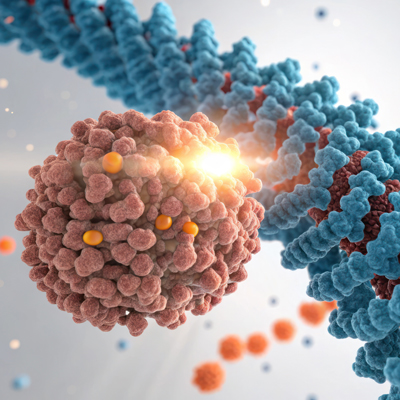
As soon as your nervous system is bombarded with many stimuli, GABA binds to specific receptors on your nerve cells:
GABA-A receptors: They rapidly reduce the excitability of your nerve cells by regulating the influx of chloride ions [1].
GABA-B receptors: They take a slightly more measured approach, providing a somewhat slower but more sustained dampening of signals [1].
Through these perfectly normal biological processes, GABA can regulate neural activity in the background. So when you’re rushing from one appointment to the next or juggling a thousand things at once in your daily life, this substance can help your brain keep the signals in balance so they don’t spiral completely out of control.
By the way: If you'd like to know how GABA can help you wind down in the evening, check out our article on GABA for falling asleep!

Mental Balance During High-Stress Everyday Life
And it’s this balance that’s priceless in everyday life! Between work, family, and a thousand errands, we feel as if we’re expected to be constantly available. If this state persists, your body releases large amounts of stress hormones like cortisol and adrenaline. And before you know it, your nervous system goes into overdrive.
This is where GABA comes into play as a balancing factor. By dampening excessive excitatory impulses, this neurotransmitter allows your mind to stay focused even in the midst of the greatest turmoil, preventing pure chaos from taking over immediately.
- Focus instead of tunnel vision: Balanced GABA activity helps you maintain your cognitive performance even under stress. Instead of becoming completely overwhelmed by stress, your mind remains clearer and more capable of taking action [2].
- Mental relief: A well-regulated GABA system can help cushion emotional swings during hectic times. This can make it noticeably easier for you to navigate your day with calm and confidence [3].
Muscles and Recovery After Exercise or Long Periods of Sitting
But stress doesn’t stop in your mind. In fact, many of us first feel the effects of stress in our bodies: raised shoulders, a tense neck after sitting at a desk for hours, or constant muscle restlessness.
The interesting thing is that GABA not only affects your thought processes but can also send inhibitory signals to your motor system [1].
- After intense exercise: After a workout, your body wants to switch from sympathetic mode (activity) to parasympathetic mode (recovery). GABA can support your nervous system during this transition, allowing your strained muscles to relax again [4].
- When tension arises from prolonged sitting: Even sitting still at a desk for long periods puts a lot of strain on your muscles. The inhibitory signals from gamma-aminobutyric acid can help restore your muscles’ baseline tension to a normal level [1].

GABA in Food: How to Integrate Natural Building Blocks into Delicious Meals
By the way, you can also easily get GABA and its valuable building blocks through your daily diet! If you want to replenish your GABA stores throughout the day without much effort, it’s worth taking a quick look at what’s on your plate. Fermented foods, nuts, and fresh vegetables, in particular, provide a really great foundation for this.
Here are the best natural sources for your everyday life:
Fermented foods: During fermentation, microorganisms produce abundant amounts of natural GABA. The absolute top choices for your diet are authentic kimchi (which contains a remarkable 20–80 mg per 100 g!), traditional miso, tempeh, or classic sauerkraut [5]. Perfect as a flavorful topping for your bowls!
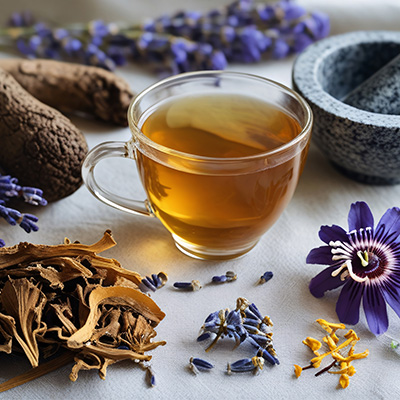
Fine tea varieties: Special green teas like matcha or gyokuro, as well as aromatic oolong tea, not only offer valuable plant compounds but also provide moderate amounts of GABA (up to 6 mg per cup) [5]. This makes a cup of tea the ideal companion for periods of focused work at your desk.
Legumes, nuts & whole grains: Lentils, walnuts, and brown rice (especially sprouted brown rice, often known simply as “GABA rice”) are doubly valuable. They contain GABA directly and also provide glutamate, the very building block your body uses to produce GABA on its own [5].
Colorful vegetables: Even everyday favorites from the produce section pack a punch. Ripe tomatoes, potatoes, and sweet potatoes naturally contain good levels of this neurotransmitter and can be easily incorporated into your meals [5].

Intake & Combinations: Tips for Your Daily Routine
You might be wondering: “Isn’t it enough to just eat more sauerkraut, lentils, or matcha then?”
To be honest, a balanced diet is always the best foundation. However, foods often contain only modest amounts of GABA. So if you’re going through a particularly demanding phase in your life and want to give your nervous system a targeted boost, a dietary supplement can be a practical addition.
What Forms Are Available?
You’ll usually find GABA in stores in two forms, depending on what fits better with your daily routine:
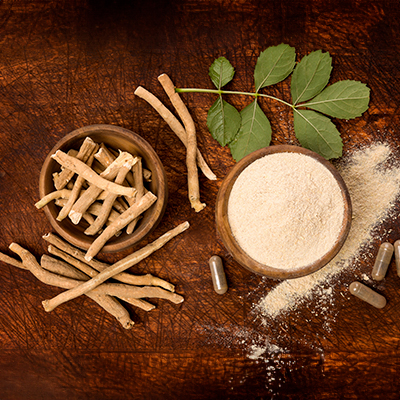
- Capsules & tablets: The absolute classic for on the go or at the office. They’re tasteless, precisely dosed, and can be taken easily with a little water.
- Powder: Ideal if you don’t like swallowing capsules or want to adjust your dose to suit your individual needs. The powder can easily be stirred into some water, juice, or your morning smoothie.
Tips for Optimal Daily Intake
To ensure GABA supports you as effectively as possible in your daily life, there are a few things you should keep in mind:
The right time: Since this is about your daily balance and mental strength, it’s best to take GABA in the morning or early afternoon. It’s best to take it about 30 to 60 minutes before situations you know will be stressful, whether it’s an important meeting, a presentation, or right after an intense workout [4].
The role of the blood-brain barrier: Scientifically speaking, orally ingested GABA can barely cross the blood-brain barrier in healthy people. The fact that many people nevertheless report noticeable effects is explained by research on the so-called gut-brain axis: Our gastrointestinal tract contains numerous GABA receptors that can send calming signals to the autonomic nervous system via the vagus nerve [4].
The Best Partner (Vitamin B6): In order for your body to produce GABA on its own from its building blocks, it needs a very specific tool: the enzyme glutamate decarboxylase. And this enzyme works best only when there is enough vitamin B6 present! A combination of GABA and vitamin B6 therefore optimally supports your body’s own synthesis pathway [1].
Safety, Dosage, and What to Watch Out For
If you want to try GABA, the same rule applies as always: Listen to your body and take it one step at a time.
The right dosage: Typical daily doses usually range from 250 mg to 1,000 mg [6]. To start, it’s a good idea to begin with a lower dose so you can take your time to see how your body reacts to it.
Possible Side Effects: GABA is generally considered very well tolerated. In rare cases or at higher doses, you may experience a brief, mild tingling sensation on your skin or slight drowsiness [6]. If you notice anything like this, simply reduce the dose slightly.
Taking Breaks: Even though GABA isn’t addictive, it’s recommended to use dietary supplements in phases during periods of high stress or to take short breaks from taking them every now and then.
Consulting Your Doctor About Medications: Are you already taking prescription sedatives, antidepressants, or blood pressure medication? If so, simply consult your doctor briefly beforehand to be on the safe side.
Important! If you’ve been experiencing persistent fatigue or severe inner restlessness for some time, it’s best to first have a doctor thoroughly check the causes before turning to dietary supplements.
Want to learn more? Then check out our magazine:
- Get clear before it gets loud again - finding your way back to center with ginkgo, ginseng & bacopa
- All about acetyl-L-carnitine: Smart support for clear focus instead of brain fog
- New cell energy with B vitamins, NADH and alpha lipoic acid
- Your roadmap to more muscle energy: How to use creatine properly
FAQ – Frequently Asked Questions
Does GABA make you tired during the day?
At moderate doses, you don’t need to worry about that, because GABA primarily has a balancing effect and can dampen stimuli without making you drowsy right away [4].
How does the effect of GABA during the day differ from that in the evening?
During the day, the focus is on supporting your concentration while promoting inner calm and maintaining balanced muscle tension. In the evening, the focus is more on gently preparing the nervous system for the upcoming night’s rest [4].
Can you take GABA together with coffee or matcha?
Yes, this is actually a very popular combination! The caffeine provides an invigorating boost, while GABA or the L-theanine in matcha can help counteract the typical jitters or restlessness [4].
Is there actually such a thing as a GABA deficiency?
A true medical deficiency is rare, but a nervous system that’s constantly under strain can cause the body’s own GABA production to reach its limits. When exhaustion or chronic stress deplete the body’s reserves, it can be beneficial to gently support the body through diet or targeted nutrients [7].
Are there any risks associated with taking GABA?
When taken in the correct dosage, GABA is considered very safe; however, you should exercise caution if you are pregnant, breastfeeding, or taking sedatives [6]. Since this neurotransmitter directly affects nerve impulse transmission in the brain (and a significant imbalance can play a role in conditions such as epilepsy), be sure to consult your doctor briefly beforehand if you have any pre-existing conditions or are taking medications.
What blocks GABA receptors?
Blockage practically never occurs in everyday life; rather, it is a specific issue related to certain medications (so-called GABA antagonists) [8]. Typical dietary supplements do not inhibit your receptors at all; they are simply intended as a gentle support for your daily balance [6].
Three Facts to Take Away
Fact 1: Your Inner Calm
GABA is considered the most important inhibitory neurotransmitter in your nervous system. It can gently dampen excessive stimulation in the brain and help you maintain your inner balance [1].
Fact 2: The Connection to Your Gut Feeling
Although GABA taken orally barely crosses the blood-brain barrier, it can reach your nervous system via a clever detour: There are receptors in the gut that can send relaxing signals directly to the brain via the vagus nerve [4].
Fact 3: A Delicious Source
You can easily support your GABA stores while eating. During fermentation, microorganisms produce abundant amounts of natural GABA. That’s why kimchi, miso, and fresh sauerkraut are great additions to your daily diet [5].
Sources:[1] https://www.ncbi.nlm.nih.gov/books/NBK513311/
[2] https://www.ncbi.nlm.nih.gov/pmc/articles/PMC10291391/
[3] https://www.ncbi.nlm.nih.gov/pmc/articles/PMC4303399/
[4] https://www.ncbi.nlm.nih.gov/pmc/articles/PMC7527439/
[5] https://pmc.ncbi.nlm.nih.gov/articles/PMC5986471/
[6] https://pmc.ncbi.nlm.nih.gov/articles/PMC8399837/
[7] https://www.sciencedirect.com/science/article/abs/pii/S002839081100373X
[8] https://www.ncbi.nlm.nih.gov/books/NBK545230/