Folic acid in everyday life: Why this B vitamin matters beyond pregnancy
What’s the first thing that comes to mind when you think of folic acid? Let us guess: pregnancy tests, baby bumps, and thick parenting guides? You’re definitely not alone in that. Folic acid basically has the best marketing in the world, but only for pregnant women. For everyone else, vitamin B9 often seems like something you only pull out of the cupboard when you’re expecting a baby.
But that’s only half the story! Your body actually needs folic acid regardless of whether you’re planning a baby or just want to stay healthy throughout the week. If your energy is constantly running on fumes, your nerves feel more frayed than usual, or your complexion could use a boost, it’s often due to the basic processes in your cells. Without B9, surprisingly little runs smoothly there. In the following article, you’ll learn how folic acid supports your body in everyday life and how you can get the optimal amount without any stress.
Folate or folic acid: What’s the difference, anyway?
Before we dive deep into your metabolism, let’s clear up the confusion surrounding the names. You’ve probably already noticed that there’s both folate and folic acid. Basically, both refer to the exact same vitamin; they just come from two different sources:
- Folate: This is the form as nature created it. You’ll find it right on your plate, for example in fresh spinach, lentils, or nuts [1].
- Folic acid: This is the form used in dietary supplements. Its major advantage: It’s extremely stable and makes it particularly easy for your body to absorb [2].
And now the most important point for your daily life: Because vitamin B9 is water-soluble, your body can’t simply store it for a rainy day. Whatever isn’t used is flushed out. This means your body really needs a fresh supply every single day [2].
What folic acid does for you every day
The question, of course, is: What does your body actually use all this daily supply for? Basically, a lot is going on behind the scenes around the clock to keep you feeling healthy and fit in your daily life. And vitamin B9 helps out in exactly these areas:
A breath of fresh air for your cells: Whether it’s your skin, hair, or nails – your body is constantly renewing and repairing itself. Folic acid plays an important role in cell division and ensures that new cells are produced effectively [2].
More energy in your daily life: Together with vitamin B12, folic acid supports normal blood formation [2]. And because red blood cells carry oxygen throughout your body, this can help you fight off those nasty afternoon slumps and chronic fatigue.
Keep Your Cool: Even when your week is packed again and your to-do list is overflowing, this vitamin has your back. It contributes to normal mental function and can help you stay calm amid the hustle and bustle [3].
A Clear Path for Your Metabolism: When the body processes protein, it automatically produces a substance called homocysteine. Together with its B-vitamin counterparts (B6 and B12), folic acid ensures that this substance can be broken down and metabolized normally [2].

The classic: Why folic acid is so important during pregnancy
If you’re planning to have a baby or have just tested positive, folic acid suddenly becomes the number one priority. And there’s a really important reason for that.
Right at the very beginning of pregnancy, often at a time when you don’t even suspect you’re pregnant yet, the baby’s neural tube begins to form. This later develops into the brain and spinal cord. To ensure everything closes exactly as it should, your body needs sufficient folate right now. This protects the little one from birth defects such as “spina bifida” from the very first days [1].
Here’s the best way to approach this: If you’re planning to have a baby, it’s best to start looking for a suitable supplement about four weeks before you start trying. That way, you’ll be on the safe side throughout the first three months of pregnancy [1].
Recognizing a folic acid deficiency: These are the signals your body sends you
When your folic acid stores are slowly running low, you usually don’t notice it overnight. A folic acid deficiency creeps into your day rather quietly and is therefore often simply mistaken for normal everyday stress.
Pay attention to whether your body might be trying to tell you the following [4]:
- Constant fatigue: You feel sluggish, have a hard time getting going in the morning, and your head quickly feels foggy.
- Dull complexion: Your face lacks its usual glow because fewer red blood cells are being produced.
- Irritated mouth: Your tongue burns, is red, or your mouth feels sore.
- Upset Stomach: Your gastrointestinal tract sometimes reacts with discomfort, too.

Folate in everyday life: How to get it naturally
We have good news! Mother Nature has some incredibly delicious sources of folate in store for us. There’s just one little catch, though. Natural folate is quite sensitive, too much heat, prolonged exposure to light, and plenty of cooking water can quickly destroy the vitamin [1].
Our tip for you: It’s best to enjoy vegetables raw more often, or steam them just briefly until they’re crisp, instead of boiling them for ages. That way, most of the folate stays right where it belongs.
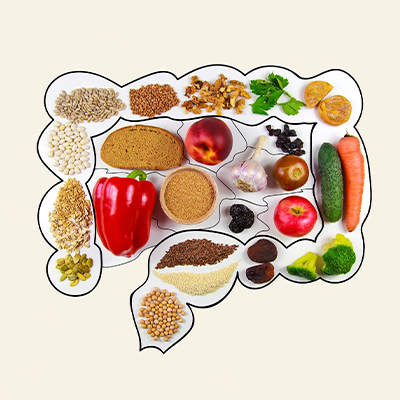
Green leafy vegetables
- The best sources: spinach, lamb’s lettuce, kale, arugula, and Swiss chard.
- Preparation: Best enjoyed fresh and raw in a salad or wilted briefly in a pan.
Legumes
- Best sources: Chickpeas, lentils, white beans, and peas.
- Preparation: They’re fantastic in colorful bowls, salads, or creamy pureed soups.
Fruits & berries
- Best sources: Oranges, avocados, and strawberries.
- Preparation: Ideal as a fresh topping for your granola, in a smoothie, or as a fruity kick in a savory salad.
Whole grains & nuts
- Best sources: Whole-grain bread, rolled oats, walnuts, and sunflower seeds.
- Preparation: Perfect as the basis for a truly energizing breakfast that keeps you full and energized for a long time.
Crisp vegetables
- The best sources: broccoli, asparagus, and Brussels sprouts.
- Preparation: Gently steam them with a little water to preserve the vitamins and keep the vegetables nice and crisp.
How much do you need each day?
To help you get a good sense of your intake, the German Nutrition Society (DGE) has established clear daily guidelines [1]:
- Adolescents & Adults: 300 micrograms (µg)
- Pregnant women: 550 micrograms (µg), ideally from a balanced diet combined with an appropriate supplement
- Breastfeeding women: 450 micrograms (µg)
Don’t worry if you’re indulging in a colorful array of fruits and vegetables. It’s practically impossible to get too much natural folate from regular foods [1]. If you take dietary supplements, it’s best to simply follow the recommended intake on the package. That way, you’ll be perfectly covered.
When is a supplement worth it?
Even though a fresh, colorful diet is always the best foundation, there are times in life when an extra dose of folic acid makes perfect sense [1, 2]:
When trying to conceive or during pregnancy: The significantly increased need during this time can hardly be met by a normal diet alone.
With an unbalanced diet: When fresh vegetables, legumes, or whole-grain products simply don’t make the cut in the hustle and bustle of everyday life.
Due to lifestyle and medications: High stress levels, regular alcohol consumption, or medications such as birth control pills and certain stomach medications can cause the body to absorb less folate.
If you have a sensitive digestive system: Chronic gastrointestinal issues can sometimes make it harder for the body to properly absorb nutrients from food.

Folate: A quick guide for your everyday life
As you can see, folic acid is much more than just a pregnancy vitamin. It’s your daily companion for more energy, helps you cope during stressful times, and, as an added bonus, ensures that your cells can regenerate properly. With a little green vegetables, whole grains, and legumes, you’re already laying a really strong foundation in your daily life. And when things get hectic or you’re planning to have a baby, you can easily support your body with the right supplement.
Want to learn more about this topic? Then take a look at our magazine:
- What are B vitamins - and what do we need them for?
- Relaxed baby bump thanks to inositol, folic acid, cranberry and D-mannose
- Constant tiredness despite sleep? How vitamin B complex gives you new energy in winter fatigue
- The right diet during pregnancy? Here are the most important answers
- Your body on carbs: The invisible key role of vitamin B1
FAQ – Frequently Asked Questions
Can folic acid actually have side effects?
You don’t need to worry about your daily diet, because it’s practically impossible to overdose on natural folate [1]. Only with very high-dose supplements might it occasionally cause stomach discomfort or mask an undetected vitamin B12 deficiency [2].
What role does folic acid play in cell division and DNA synthesis?
It provides the material your body needs to build new cells and replicate genetic material. Without folic acid, your skin, hair, and blood cells simply couldn’t constantly renew themselves.
What blood levels indicate a folic acid deficiency?
A serum level below 4 nanograms per milliliter clearly indicates a folic acid deficiency in a blood test [5]. Ideally, the long-term level in red blood cells should not fall below 140 ng/ml to ensure you have an adequate supply [5].
What is the normal folic acid level for women?
A level between 4.5 and 20 nanograms per milliliter is considered a completely normal range for women in everyday life [6]. If you’re planning to have a baby, your blood level should ideally already be in the upper part of this range beforehand.
How long does it take for folic acid to take effect in the body?
At the cellular level, the vitamin starts working right away, but it takes about two to four weeks for your body’s stores to be fully replenished. If you’re trying to get pregnant, it’s best to start taking it a month in advance [1].
What exactly is bioactive folate?
It is a form of folate that the body can absorb directly and use without having to convert it itself. This is especially helpful for people whose metabolism processes conventional folic acid a little more slowly.
[1] https://www.dge.de/wissenschaft/referenzwerte/folat/
[2] https://www.verbraucherzentrale.de/wissen/lebensmittel/nahrungsergaenzungsmittel/folsaeureprodukte-wann-sind-sie-nuetzlich-5482
[3] https://efsa.onlinelibrary.wiley.com/doi/epdf/10.2903/j.efsa.2010.1760
[4] https://www.msdmanuals.com/de/profi/ernährungsbedingte-störungen/vitaminmangel-abhängigkeit-und-intoxikation/folsäuremangel
[5] https://ods.od.nih.gov/factsheets/Folate-HealthProfessional/
[6] https://www.gesundheits-lexikon.com/Labormedizin-Labordiagnostik/Vitamine/Folsaeure-Folat