Vitamin D deficiency in fall & winter: How your body sounds the alarm
As soon as fall rolls around and it feels like the sun is calling it a day by three in the afternoon, our bodies tend to switch to energy-saving mode. This is completely understandable, because without the right amount of sunlight, the body’s own vitamin D factory simply runs out of raw materials. We’re essentially running on fumes and wonder why our coffee cup suddenly becomes our best friend.
So if you feel like a bear about to go into hibernation, your mood has hit full-on “gray-weather” mode, or every little cold seems to jump on you right away, your body is sending you a subtle cry for help. In the following article, you’ll learn how to recognize a creeping vitamin D deficiency in your daily life, which nutrient-draining factors are depleting your stores, and how to stay well-nourished throughout the dark season.

Why the sun suddenly takes a break
Your body is actually a true genius: it simply produces its own vitamin D on the spot. All it needs is a few warm rays of sunshine on your skin. In the summer, even a quick sunbath during your lunch break is enough to get your body’s internal factory running at full speed.
In the fall and winter, however, the universe really cranks down the dimmer switch. The sun is simply too low in the sky at that time of year, and the crucial UV-B rays get trapped in the Earth’s atmosphere. So even if you’re all bundled up, squinting at the winter sun for hours on end, production comes to a standstill. While your normal daily hustle and bustle continues, your summer reserves dwindle bit by bit.
How a vitamin D deficiency can manifest in everyday life
A drop in vitamin D levels rarely hits you with a big bang. Instead, it creeps quietly into your day. Because the vitamin is involved in an incredible number of processes, a nutrient deficiency can manifest in a variety of ways [1]:
- Constant fatigue: You actually get enough sleep, but in the morning you still feel suddenly drained and worn out.
- Low mood: The gray weather noticeably dampens your spirits, and you simply lack your usual sense of lightheartedness.
- Weakened immune system: Every little cold going around seems to find its way straight to you.
- Weak muscles: Your muscles feel tired, and even familiar routes feel more exhausting than usual.
These signals are serious indications from your body that you should take a closer look at your nutrient balance. Keep in mind, however, that such symptoms aren’t necessarily limited to a vitamin D deficiency, they can often be caused by other factors as well.
From suspicion to certainty: Diagnosis and treatment
Instead of dismissing the first signs or speculating on your own, the direct route to a medical professional is always the safest choice:
- The lab test: A quick prick is all it takes. A blood test measures the so-called 25-hydroxyvitamin D level (25-OH-D) [2]. Only this value reveals, in black and white, the true state of your vitamin D stores.
- Targeted replenishment: If the lab test confirms a deficiency, discuss the appropriate strategy with your doctor. Depending on the severity, your levels are usually replenished through a targeted regimen of higher-dose vitamin D3 supplements and then maintained at a healthy level with a consistent maintenance dose.
Vitamin D3 & K2: A well-coordinated team for your body
If you’re wondering how best to support your nutrient stores, you’ll almost automatically come across a true power duo: vitamin D3 and vitamin K2.
Vitamin D3 plays the role of a hardworking hormone precursor. It works hard in the gut to ensure that the calcium from your food can even enter your body in the first place [3]. But to make sure this mineral doesn’t wander aimlessly but ends up exactly where it’s really needed (such as in your bones), D3 needs the right partner. And this is exactly where vitamin K2 comes into play [3].
Want to dive deeper into the topic and learn exactly how these two vitamins work together in your metabolism? In our guide, we explain the entire interaction in detail!

Which foods provide vitamin D?
So now we know what vitamins D and K2 do in your body. That leaves just one question: What’s the smartest way to replenish your stores during the dark winter months?
Since the sun takes a break in winter, we automatically turn to our plates more often. While the selection of foods is limited, there are a few really great options [2, 3]:
- Fatty fish: Salmon, mackerel, and herring are considered top sources of vitamin D3.
- Eggs & dairy products: Egg yolks and high-quality butter also provide small but valuable amounts of D3.
- Fermented foods: The traditional Japanese soy dish natto is a real star when it comes to natural vitamin K2.
- Aged cheese: Varieties like Gouda, Brie, or sliced cheese also bring valuable vitamin K2 to your plate.
How does this all work for vegetarians and vegans?
Those who avoid fish or animal products have completely different, but just as smart options [2, 3, 4]:
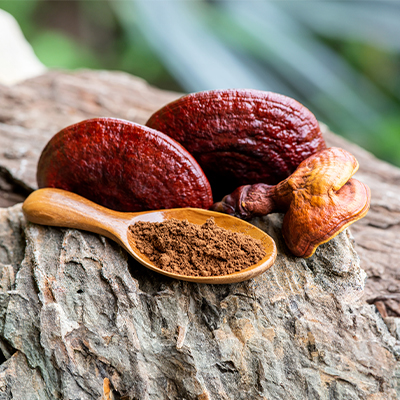
- Mushrooms instead of fish: You can get vitamin D2 from chanterelles or button mushrooms. Your body can then gradually convert this into its active form.
- The plant-based K2 champion: When it comes to vitamin K2, vegan cuisine even offers the strongest natural source of all—natto, as mentioned above.
- Vegan D3 in drops or capsules: If you follow a plant-based diet but still want direct D3, opt for alternatives derived from lichens. These are plant-based organisms from which the vitamin is extracted. Structurally, this plant-based D3 is exactly the same as that from animal sources.
Our tip: Since vitamins D3 and K2 are fat-soluble, your body always needs a small amount of fat to help absorb them optimally. A dash of high-quality olive oil, a little butter, or a handful of nuts with your meal is more than enough!
Watch out for vitamin D thieves! What puts extra strain on your reserves
You might be thinking right now, “Oh, so all I have to do is put a few of the right foods on my plate and that’s it!” If only it were that simple. Unfortunately, everyday life rarely makes it that simple. Even with a mindful diet, there are a few common culprits that put extra strain on your nutrient stores. These factors can cause your body to use up existing vitamin D more quickly or simply slow down its absorption [2, 3]:
- Chronic stress: Persistently high cortisol levels challenge your micronutrient balance and significantly increase vitamin D consumption.
- Unhealthy diet: Highly processed foods with a lot of refined sugar can hinder optimal nutrient absorption in the gut.
- Daily sun protection: While sunscreen is essential for skin health, it also blocks UV-B rays almost completely once the SPF reaches about 15. This can significantly reduce the body’s own production of vitamin D, even during the sunniest months.
- Alcohol and nicotine: Regular consumption can put a strain on the liver and kidneys, the very organs involved in converting vitamin D into its active form.
- Certain medications: Drugs such as laxatives, anti-inflammatory medications, or cholesterol-lowering drugs can interfere with absorption in the digestive tract.
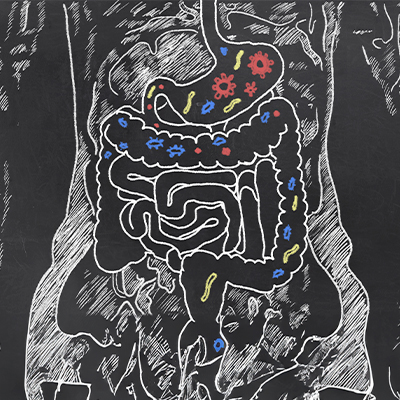
- Sensitive gut: An imbalance in gut flora can lead to reduced absorption of fat-soluble vitamins from food.
How to stay energized through the darker months
A dip in vitamin D levels during fall and winter is completely normal, but it’s by no means inevitable. If you listen to your body’s signals, supplement your diet wisely, and get your levels checked with a blood test every now and then, nothing will stand in the way of an energetic daily life, even on the grayest days. So get some fresh air, pay attention to your nutrient balance, and keep your body’s battery charged throughout the cold seasons!
Curious about other topics? Then take a look at our magazine:
- Iron deficiency: When your body lacks energy in everyday life
- Magnesium and foods with magnesium strengthen the immune system
- What are B vitamins - and what do we need them for?
- New cell energy with B vitamins, NADH and alpha lipoic acid
- Tired despite getting enough sleep? What’s really behind a B12 deficiency
FAQ – Frequently Asked Questions
How do you tell the difference between the winter blues and a true vitamin D deficiency?
The classic winter blues often disappear on their own after a little exercise in the fresh air. However, if the feeling of lethargy persists for weeks, a simple blood test at the doctor’s office can provide certainty.
How much sun does the skin need in the fall to produce vitamin D?
Starting in the fall, the sun is simply too low in the sky for the skin to produce significant amounts of vitamin D. Even during long walks, the body’s natural production largely comes to a halt during this season.
Why do older people more often have low vitamin D levels?
Over the years, the skin’s ability to convert sunlight into vitamin D decreases [1]. If this is compounded by spending even less time outdoors in daily life, the body’s stores often deplete somewhat more quickly.
What is the correct dosage for vitamin D3?
For healthy adults, 800 IU of vitamin D per day is considered a guideline for daily intake [5].
Is it possible to overdose on vitamin D, and are there any side effects?
Yes, taking extremely high doses over a long period of time carries the risk of a dangerous overdose [2]. This can significantly increase blood calcium levels and, over time, put a strain on the kidneys [3]. However, as long as you stick to the recommended daily dose, you’re completely safe.
How quickly do vitamin D deficiency symptoms develop after summer?
This usually doesn’t happen overnight, since your body continues to draw on its summer reserves for a few more weeks. That’s why typical signs usually start to creep into your daily life only gradually, from mid- to late fall [2].

Three facts to take away
Fact 1: The sun is the main source
Up to 90% of our vitamin D needs are met through sunlight absorbed by the skin [5]. Diet usually contributes only a small portion to our daily intake.
Fact 2: Reserves Don’t Last Forever
Even though your body can store vitamin D, the reserves built up over the summer are usually gradually depleted over the course of the winter [2].
Fact 3: Only a Blood Test Provides Certainty
Since the signs of a deficiency are often very general, only a lab test at the doctor’s office can provide a clear picture.
[1] https://www.aok.de/pk/magazin/ernaehrung/vitamine/vitamin-d-mangel-symptome-erkennen-und-ursache-beheben/
[2] https://www.barmer.de/gesundheit-verstehen/leben/ernaehrung/vitamin-d-mangel-1244682
[3] https://www.bfr.bund.de/stellungnahme/einnahme-hoher-einzeldosen-vitamin-d-ueber-nahrungsergaenzungsmittel-im-abstand-von-tagen-oder-wochen-birgt-gesundheitliche-risiken/
[4] https://www.verbraucherzentrale.de/faq/vitamin-d-aus-pflanzen-22575
[5] http://www.dge.de/gesunde-ernaehrung/faq/vitamin-d/