How Does Vitamin C Really Work? Here's What Happens in Your Body
Almost everyone reaches for vitamin C at the first sign of a scratchy throat. But what actually happens deep within your cells afterward? In addition to supporting the immune system, this vitamin regulates collagen production for your skin and joints and ensures that plant-based iron is actually absorbed by the body. Understand the most important functions of vitamin C and learn how your gut can best utilize higher doses.
Ascorbic Acid and Vitamin C: Chemical Structure and Properties
In everyday language, the terms “vitamin C” and “ascorbic acid” are usually used interchangeably. From a chemical perspective, pure L-ascorbic acid refers to the biologically active primary form of this water-soluble micronutrient. The name historically derives from the substance’s antiscorbutic properties.
In natural foods, L-ascorbic acid is often found embedded in a complex with phytochemicals such as bioflavonoids. Synthetically produced ascorbic acid in dietary supplements is chemically identical to the natural molecule and exhibits the same bioavailability in the body. As a water-soluble substance, ascorbic acid distributes rapidly in the aqueous environment of cells; however, it cannot be stored by the human body over the long term [1].
Vitamin C Effects: Key Functions in the Human Body
The question “What does vitamin C do?” can be answered by examining the biochemical processes in the body’s cells. According to scientific assessments by the European Food Safety Authority (EFSA), vitamin C performs clearly defined key functions [2]:
- It contributes to the normal function of the immune system during and after intense physical exercise.
- It contributes to the protection of cells from oxidative stress.
- It contributes to normal collagen formation for the normal function of the skin, blood vessels, bones, cartilage, teeth, and gums.
- It contributes to normal energy-yielding metabolism and to the reduction of tiredness and fatigue.
- It contributes to the normal function of the nervous system and to normal psychological function.
- It increases iron absorption in the intestine.
- It contributes to the regeneration of the reduced form of vitamin E.
Protection Against Oxidative Stress as an Antioxidant
In cellular metabolism, vitamin C acts as a powerful water-soluble reducing agent. It readily donates electrons to reactive oxygen species, so-called free radicals, thereby neutralizing them. In this way, this vitamin protects sensitive cellular structures, such as proteins, lipids, and the genetic material DNA, from oxidative damage [3]. Furthermore, ascorbic acid regenerates depleted vitamin E in cell membranes, thereby maintaining a cascade-like antioxidant protective mechanism [3].

Collagen Formation for Skin, Blood Vessels, Bones, and Teeth
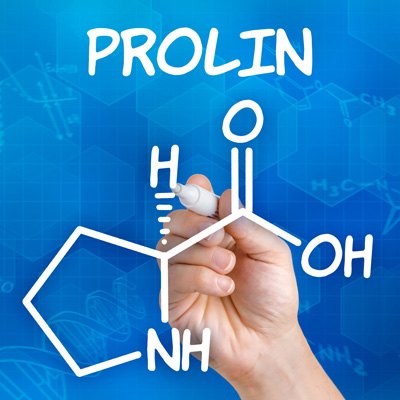
One of vitamin C’s most important biochemical roles is as an essential cofactor for specific enzymes, namely prolyl and lysyl hydroxylases [4]. These enzymes are absolutely essential for chemically modifying the amino acids proline and lysine during collagen synthesis.
It is only through this hydroxylation that stable triple helices form, which give collagen fibers their tensile strength. A deficiency in ascorbic acid leads to improperly cross-linked collagen. Since collagen is the primary structural protein in connective tissue, in the walls of blood vessels, in the gums, and in the organic bone matrix, an adequate intake of vitamin C directly determines the stability of these tissue structures [4].
Improvement of Plant-Based Iron Absorption
Plant-based foods primarily contain so-called non-heme iron in the form of trivalent iron ions (Fe³⁺). These ions are poorly soluble in the neutral to slightly alkaline environment of the small intestine and form insoluble complexes that can barely pass through the intestinal mucosa.
Vitamin C reduces trivalent iron directly in the gastrointestinal tract to highly soluble bivalent iron (Fe²⁺) [5]. At the same time, ascorbic acid forms stable chelate complexes with the iron ions, which remain in solution even as the pH rises in the upper small intestine. As a result, the absorption rate of plant-based iron via the specific divalent metal transporters (DMT1) of the intestinal cells increases measurably.
Benefits, Risks, and Scientific Facts
The use of vitamin C supplements is widespread in the dietary supplement industry. However, the physiological necessity and actual benefits of such doses are closely linked to the transport mechanisms in the gastrointestinal tract.
Absorption and Renal Saturation at High Doses
The uptake of ascorbic acid from the intestine into the bloodstream occurs primarily via active transport mediated by sodium-dependent vitamin C transporters (SVCT1). At physiological single doses of 30 to 180 mg, bioavailability is approximately 70 to 90 percent. If the single dose increases to 1,000 mg or more, the percentage of absorption drops drastically to below 50 percent, as the transport systems in the intestinal wall are completely saturated [6].
Unabsorbed ascorbic acid remains in the intestinal lumen, where it binds water osmotically. At the same time, there is a renal threshold: At plasma concentrations of around 70 to 80 µmol/L, the kidneys excrete the excess unchanged in the urine. In healthy individuals, therefore, taking extremely high doses primarily leads to increased excretion [6].

Possible Side Effects and At-Risk Groups
The European Food Safety Authority and the German Federal Institute for Risk Assessment (BfR) consider an intake of up to 1,000 mg of ascorbic acid per day, in addition to the diet, to be generally safe for healthy adults [7]. If single doses significantly exceed this amount, gastrointestinal symptoms such as osmotic diarrhea, abdominal cramps, or nausea often occur.
Special caution is advised for specific groups of people:
- People with impaired kidney function or a history of kidney stones: A portion of ascorbic acid is metabolized in the body into oxalic acid, which significantly increases the risk of calcium oxalate stones in predisposed individuals [8].
- Individuals with iron storage disorders (hemochromatosis): Due to enhanced absorption, high-dose vitamin C can lead to pathological iron overload [8].
- People with glucose-6-phosphate dehydrogenase deficiency (G6PD deficiency): Extremely high doses may, under certain circumstances, promote hemolysis [8].
Curious about other topics? Then take a look at our magazine:
- A Regional Vitamin C Wonder: Why Rosehips Will Surprise Your Immune System
- Inflammation in the Body: What's Behind the Symptoms
- Bones and the Cardiovascular System: Why Vitamin K2 Is Much More Than Just a Supplement to Vitamin D3
- GABA in Everyday Life: For Inner Peace, Focus, and Relaxation
- How the Pineapple Enzyme Bromelain Works in the Body

FAQ – Frequently Asked Questions
What is ascorbic acid, and how does it differ from vitamin C?
Ascorbic acid is the pure chemical form and the main biologically active component of vitamin C; both terms refer to the same essential nutrient [1].
What functions does vitamin C perform in the body?
It contributes to normal immune function, protects cells from oxidative stress, supports normal collagen formation in the skin and bones, and contributes to normal energy metabolism [2].
How does vitamin C support collagen formation?
Vitamin C acts as an essential cofactor for enzymes that modify amino acids in collagen and provide the fiber structure with its necessary stability [4].
How does vitamin C improve the absorption of plant-based iron?
It reduces poorly soluble trivalent iron to easily absorbable bivalent iron and keeps it bioavailable in the small intestine [5].
Can vitamin C prevent or shorten the duration of colds?
Large meta-analyses show that routine supplementation does not prevent the occurrence of colds in the general population, but it may slightly shorten the duration of illness [9].
Is high-dose vitamin C beneficial?
With a balanced diet, a high dose is usually unnecessary, as intestinal absorption levels off at higher doses and the kidneys excrete the surplus [6].
Is 1,000 mg of vitamin C per day too much?
For healthy adults, a daily intake of 1,000 mg is considered tolerable; however, higher single doses can cause digestive problems such as diarrhea [7].
Who should take high-dose vitamin C only after consulting a doctor?
People with impaired kidney function, a tendency toward kidney stones, or iron storage disorders should use high-dose supplements only under medical supervision [8].
What role does vitamin C play in healthy skin?
Through collagen synthesis, it stabilizes the tissue structure of the dermis and protects skin cells from UV-induced oxidative damage [3].
Why is vitamin C an important antioxidant?
It directly neutralizes free radicals in the intracellular fluid and regenerates depleted vitamin E in the cell membranes [3].
What are the most important benefits of vitamin C for the human body?
The body benefits from a regulated immune response, intact connective tissue structures, reliable iron utilization, and cellular protection against oxidation [2].
What functions does vitamin C serve outside the immune system, such as for bones or teeth?
It enables the formation of the organic collagen matrix in bones and teeth and is essential for the stability of blood vessels [4].
Sources:[1] https://ods.od.nih.gov/VitaminC-HealthProfessional
[2] https://eur-lex.europa.eu/CELEX:32012R0432
[3] https://pmc.ncbi.nlm.nih.gov/PMC5707683
[4] https://pubmed.ncbi.nlm.nih.gov/18505499
[5] https://www.vitalstoff-lexikon.de/Vitamin-C-Interaktionen
[6] https://www.dge.de/vitamin-c
[7] https://www.bfr.bund.de/vitamin-c-in-lebensmitteln-und-nahrungsergaenzungsmitteln
[8] https://urologische-stiftung-gesundheit.de/vitamin-c-nierensteine
[9] https://www.cochranelibrary.com/CD000980