Practical guide: How to use L-arginine correctly for your internal reset
Ready for your personal reset, but unsure about which product to buy? If you want to buy high-quality arginine, subtle differences in raw materials and manufacturing processes determine tolerability and purity. In this guide, you’ll learn everything about the benefits of plant-based L-arginine base, the optimal dosage, and how to easily incorporate it into your daily routine. Start your new routine well-informed!
L-arginine base vs. L-arginine HCl
If you’re looking to buy high-quality arginine, you’ll essentially find two forms on the market. Choosing the right raw material is crucial for ensuring purity and tolerability during your reset phase.
L-arginine base (the plant-based choice)
- Purity: Typically offers a purity level of 98.5% to 100% pure L-arginine [1].
- Manufacturing Process: Is usually obtained through natural plant-based fermentation (for example, from corn or sugarcane) and is completely vegan.
- pH Level: Has an alkaline pH (approx. 10.5 to 12), which is particularly gentle on the digestive tract’s environment.
L-arginine HCl (hydrochloride)
- Purity: Consists of approximately 75% to 83% arginine, as the remainder is bound to a hydrochloride group (hydrochloric acid) [1].
- Manufacturing process: Is often produced synthetically or extracted from animal-based raw materials (such as feathers or hair).
- pH value: It falls within the acidic range (pH value approx. 6 to 6.5), which can cause irritation in people with sensitive stomachs [2].
Quality tip: For a targeted detox routine, the plant-based L-arginine base is recommended to avoid burdening the body with additional acidic compounds.
Acid-base balance in the stomach
The difference in pH between the base form and hydrochloride (HCl) is not just a theoretical detail; it directly affects your well-being during your reset days.
Avoid acidic strain
Since foods and beverages that contribute to acidification are avoided during a detox phase, the chosen dietary supplement should also reflect this approach. L-arginine HCl supplies the body with bound hydrochloride ions with each dose. In sensitive individuals, this can lead to belching or a feeling of pressure in the upper abdomen.
Gentle absorption thanks to alkaline properties
The plant-based arginine base gently neutralizes excess stomach acid instead of further aggravating the acidic environment. This makes it easier to take the supplement daily, especially when taken in the morning on an empty stomach.
Powder, capsules, or ampoules?
Depending on your personal preference and daily routine, there are different forms to choose from when you want to buy L-arginine.

L-arginine powder
- Advantages: Maximum flexibility in dosing, excellent value for money, and the ability to mix directly into beverages or smoothies.
- Special features: When taken as pure arginine base, it has a slightly distinctive, mildly bitter-alkaline taste that is best masked by tart fruit juices or green smoothies.
L-arginine capsules
- Benefits: Perfect for on the go, precisely pre-measured, and completely tasteless.
- Special Features: Look for vegetable-based capsule shells (HPMC) that are gelatin-free and free of anti-caking agents such as magnesium stearate.
Drinkable vials and liquid concentrates
- Benefits: Quick and easy to take right before your workout.
- Special Features: Often contain added flavors, preservatives, or sweeteners, which should be avoided during a strict detox phase.

Recipe: The green reset smoothie with L-arginine
To make it easy and enjoyable to incorporate this into your morning routine, try combining it with plant-based bitter compounds and fresh ingredients that support the digestive tract [3].
Ingredients for 1 serving:
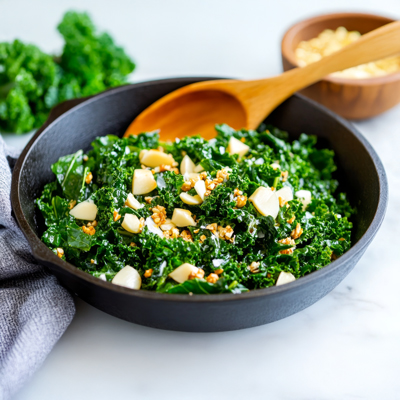
- 1 handful of fresh baby spinach (or kale)
- ½ cucumber
- 1 small slice of fresh ginger
- Juice of half a lemon
- 200 ml still water or coconut water
- 3 g to 5 g L-arginine powder or capsules (base)
Preparation:
- Wash the spinach and cucumber thoroughly.
- Place all the ingredients, along with the water, in a high-powered blender.
- Blend everything on the highest setting until a creamy consistency forms.
- Stir in the L-arginine powder briefly right at the end, and enjoy the smoothie fresh on an empty stomach, or simply take the L-arginine in capsule form.
Dosage & usage plan
A structured intake ensures that you get the most out of your supplement without overloading your body.
Optimal amount
For daily use as part of a mindful nutrition routine, dosages of 3 to 6 grams per day are considered a proven guideline [4].
The ideal time to take it
It’s best to take your daily dose in the morning right after waking up on an empty stomach or about 30 minutes before your workout [5]. Absorption in the gastrointestinal tract proceeds unimpeded when the body does not have to digest heavy proteins at the same time.
Useful combination partners
To round out your daily intake of L-arginine, certain complementary substances that have proven effective in practice are recommended.
Combination with L-citrulline
L-citrulline is another amino acid that is converted into L-arginine in the body over time. While L-arginine causes a rapid increase in amino acid concentration in the blood, L-citrulline ensures a sustained release. A combination of both substances thus provides consistent levels throughout the day.
Combination partners: Vitamin C and B vitamins
The simultaneous intake of antioxidants such as vitamin C from fresh citrus fruits or berries protects the sensitive plant compounds and nutrients from premature oxidation. B vitamins such as B6, B9 (folic acid), and B12 also support normal amino acid metabolism.
Structured weekly plan
A set schedule ensures that the new routine can be implemented stress-free.
Phase 1: Preparation (days 1–2)
- Diet: Gradually reduce your intake of coffee, refined sugar, and highly processed foods.
- Routine: Start every morning with a large glass of lukewarm water and your first dose of L-arginine base.
Phase 2: The intensive days (days 3–5)
- Diet: Have the green reset smoothie in the morning. For lunch and dinner, opt for easily digestible plant-based meals and fiber-rich salads.
- Routine: Supplement these days with moderate exercise (e.g., walks or gentle yoga) and drink at least 2 to 3 liters of still water daily.
Phase 3: Reintegration (days 6–7)
- Diet: Slowly reintroduce solid protein sources and complex carbohydrates.
- Routine: Continue taking arginine daily to maintain your nutritional foundation even during your regular daily routine.
Common mistakes
To get the most out of your supplementation plan, it’s worth avoiding common pitfalls from the start.
Taking it with high-protein meals
Taking L-arginine immediately with a high-protein meal (e.g., cottage cheese or meat) reduces absorption. Other amino acids use the same transport pathways in the gut and compete with arginine. Therefore, wait about 30 minutes before or after solid meals.
Irregular intake
Plant-based supplements are most effective when taken consistently. Instead of taking high doses irregularly, a daily, consistent dosage over several weeks is recommended.
Arginine in supplements & foods
In addition to dietary supplements, you can also meet your daily needs by carefully selecting plant-based and animal-based protein sources.
The best L-arginine-rich foods
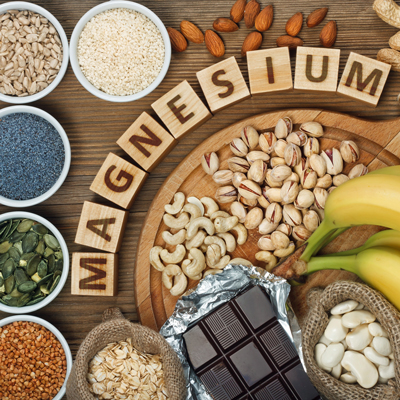
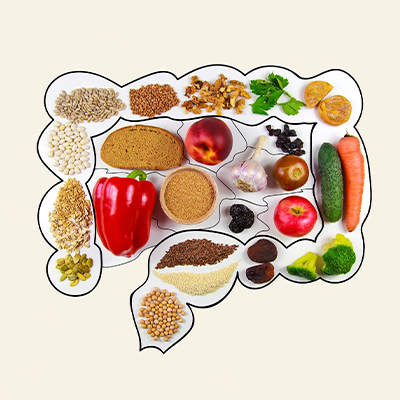
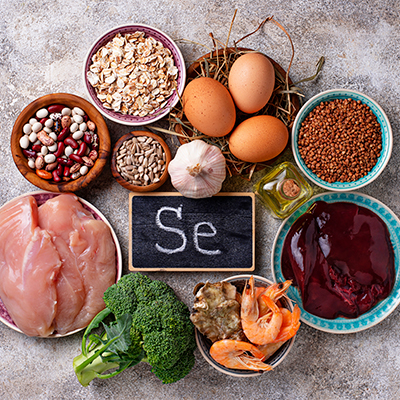
- Pumpkin seeds: With over 5,000 mg per 100 g, they are among the absolute top plant-based sources [6].
- Peanuts & walnuts: Provide plenty of nutrients for your snack between meals.
- Pine nuts & almonds: An ideal topping for your salad or granola.
- Legumes: Chickpeas and lentils offer a solid source of protein for everyday life.
What to look for when buying
When comparing suppliers on the market, you should demand transparent purity standards.
Transparency & quality controls
Make sure the product is free of unnecessary additives such as magnesium stearate, colorants, or flavorings.
Your shopping checklist
- Is L-arginine base explicitly listed (not just “L-arginine”)?
- Does the raw material come from plant-based fermentation?
- Are lab certificates provided for the specific batch number?
- Is the capsule material gelatin-free (vegan HPMC coating)?
For anyone who wants to delve even deeper into the sports-biological effects of L-arginine in muscle tissue, we’ve prepared a separate guide that examines the biochemical processes in greater detail.
Curious about other topics? Then take a look at our magazine:

FAQ – Frequently Asked Questions
When is the best time to take it?
It is best to take it in the morning before breakfast or immediately before your workout to maximize the bioavailability of the amino acid [5].
How does arginine base differ from arginine HCl?
Arginine base is plant-fermented, has a purity of nearly 100%, and is alkaline. Arginine HCl contains less arginine due to the hydrochloric acid bond and reacts acidically in the stomach [1].
Can arginine be incorporated into your diet on a long-term basis?
It can be taken either periodically to support a reset or long-term as a supplement to arginine-rich foods.
Is it safe to take L-arginine?
At the recommended daily dose of 3 to 6 grams, L-arginine is considered very well tolerated by healthy adults. Since it is an amino acid produced naturally by the body, the body processes pure supplements without any problems, although very high amounts may occasionally cause mild digestive discomfort.
When should you avoid taking arginine?
People taking blood pressure-lowering cardiovascular medications should consult a doctor before use. Additionally, taking arginine is not recommended during acute herpes outbreaks or in cases of severe liver or kidney disease.
Which fruits contain L-arginine?
Fruits generally provide relatively small amounts of protein, but dried figs, raisins, bananas, and pomegranates contain moderate amounts of L-arginine. For higher amounts, nuts, seeds, and legumes are a much better choice.
Do eggs contain arginine?
Yes, chicken eggs, and especially the egg yolk, are an excellent natural source of L-arginine. They can be easily incorporated into a balanced, nutrient-rich daily diet.
How can I tell if my body needs help resetting?
Typical signs of everyday stress can include persistent lethargy, a sallow complexion, digestive discomfort, or mental lows. Such signs are a good reminder to do something good for your body by providing it with nutrient-rich, fresh foods, plenty of fluids, and intentional rest periods.
Sources:
[1] https://www.benu.ch/arginin-die-saure-mit-bemerkenswerten-eigenschaften
[2] https://www.arginin.de/arginin-base-vs-arginin-hcl
[3] https://www.zentrum-der-gesundheit.de/bitterstoffe
[4] https://www.online-fitness-academy.de/l-arginin
[5] https://www.bulk.com/anfaenger-guide-richtiges-naehrstoff-timing
[6] https://www.zentrum-der-gesundheit.de/l-arginin