Do you get out of breath faster than you used to? What your cardiovascular system has to do with it
It’s often the little moments that make us notice: the quick dash to the bus stop, carrying the grocery bags up to the second floor, or the uphill stretch on a bike ride. Where you used to not even think about it, you now notice how your breathing becomes shallower and your pulse beats noticeably faster. Perhaps you also wonder why your body seems to take longer to return to a resting state after a strenuous period.
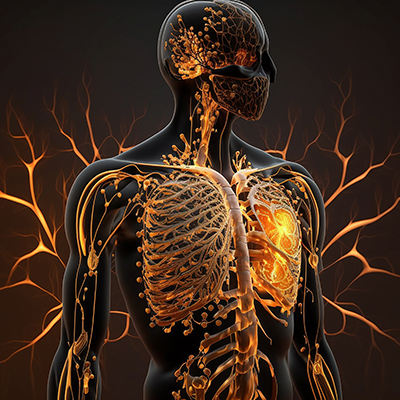
Such experiences are usually not sudden events, but rather subtle signals from your body about the state of your cardiovascular system. It is the most important logistical network you possess. Like a tireless delivery service, it ensures that oxygen and nutrients arrive on time at every single cell. When this system loses efficiency, we immediately feel it in our vitality [1]. But what exactly happens in the heart’s anatomy when we push ourselves, and how does the engine stay in sync over the long term?
The cardiovascular system: The logistics hub of your energy
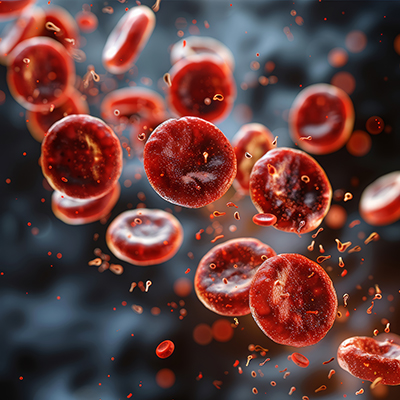
You can think of the cardiovascular system as a highly efficient industrial complex. Blood is not just a simple fuel, but a multifunctional transport medium. It delivers oxygen from the lungs to the muscles, carries glucose to the organs as a source of energy, and simultaneously collects metabolic waste products such as carbon dioxide.
But the system does even more: it acts as the body’s own air conditioning and protective shield. By finely regulating blood vessel diameter, the blood controls your body temperature so that you neither overheat nor get too cold [2]. At the same time, immune cells constantly patrol the bloodstream to immediately neutralize foreign bodies or pathogens. The heart is the conductor, setting the tempo and adjusting the intensity of blood flow to your current needs at all times.

Heart anatomy
To understand why we sometimes get out of breath, we need to take a closer look at the anatomy of the heart. The heart is a fist-sized hollow muscle that bears an enormous mechanical load. It works day and night without ever taking a break.
Where exactly is the heart located?
When asked, “Where is the heart?” people often intuitively answer “the left side of the chest.” In reality, however, it is located almost in the center of the chest, behind the protective sternum. Because the powerful left ventricle protrudes diagonally downward and to the left, where it beats most strongly against the chest wall, we primarily perceive it as being on the left. It is nestled between the lungs and rests on the diaphragm, which explains the close connection between the heartbeat and breathing [3].
Layers and chambers: Stability through structure
Performance is ensured by a specialized layered structure of the heart walls. The myocardium, the actual heart muscle, is the powerhouse. It is lined on the inside by the smooth endocardium, allowing blood to flow with minimal friction, and protected on the outside by the pericardium, the heart sac. Inside, four heart valves divide the blood’s path into distinct directions. These valves act like check valves: they open for forward flow and close immediately to prevent backflow [4].
The blood circulation: The endless journey
The blood circulation can be divided into two perfectly coordinated pathways that run in a continuous loop. This process ensures that used blood is replenished and fresh blood is distributed:
- The pulmonary circulation (small circulation): This is where the renewal begins. The oxygen-poor blood is pumped from the right side of the heart to the lungs. A fascinating exchange takes place in the finest capillaries of the alveoli: the blood releases carbon dioxide and binds fresh oxygen.
- The systemic circulation (large circulation): The now “refueled” blood returns to the left side of the heart. With a powerful contraction, it is forced into the aorta. From there, the arteries branch out further and further until, as microscopically small vessels, they reach every remote part of your body to supply the cells with nutrients [5].

Rhythm and dynamics: Heart function in detail
Precise control is required to ensure that blood can flow with the necessary pressure through the estimated 100,000 kilometers of blood vessels. The sinoatrial node, a small cluster of cells in the right atrium, acts as a natural pacemaker for the generation of electrical impulses. It generates electrical impulses that reach the entire myocardium via the cardiac conduction system.
During systole, the heart contracts and pumps blood into the circulatory system. In the subsequent diastole, the muscle relaxes and draws in fresh blood from the atria. This alternation between contraction and relaxation determines your blood pressure [6]. If resistance in the blood vessels is consistently too high, the heart must work harder all the time, which often only becomes noticeable years later as a decline in physical fitness.
Support for a healthy cardiovascular system
A strong heart is no accident, it’s the result of your lifestyle. You can actively help your system maintain its function. In addition to regular endurance exercise, diet plays a key role. Omega-3 fatty acids, particularly EPA and DHA, are known to support normal heart function [7].
The targeted intake of micronutrients such as magnesium for muscle function or vitamin K2 can also be beneficial. Since changes often occur gradually and painlessly, it is important to pay attention to warning signs such as dizziness or unusual fatigue. Consciously managing stress and getting enough sleep give your heart the time it needs to regenerate overnight, so that you are fully resilient again the next day [8].

Do you get out of breath faster than you used to? What your cardiovascular system has to do with it
It’s often the little moments that make us notice: the quick dash to the bus stop, carrying the grocery bags up to the second floor, or the uphill stretch on a bike ride. Where you used to not even think about it, you now notice how your breathing becomes shallower and your pulse beats noticeably faster. Perhaps you also wonder why your body seems to take longer to return to a resting state after a strenuous period.
Such experiences are usually not sudden events, but rather subtle signals from your body about the state of your cardiovascular system. It is the most important logistical network you possess. Like a tireless delivery service, it ensures that oxygen and nutrients arrive on time at every single cell. When this system loses efficiency, we immediately feel it in our vitality [1]. But what exactly happens in the heart’s anatomy when we push ourselves, and how does the engine stay in sync over the long term?
The cardiovascular system: The logistics hub of your energy
You can think of the cardiovascular system as a highly efficient industrial complex. Blood is not just a simple fuel, but a multifunctional transport medium. It delivers oxygen from the lungs to the muscles, carries glucose to the organs as a source of energy, and simultaneously collects metabolic waste products such as carbon dioxide.
But the system does even more: it acts as the body’s own air conditioning and protective shield. By finely regulating blood vessel diameter, the blood controls your body temperature so that you neither overheat nor get too cold [2]. At the same time, immune cells constantly patrol the bloodstream to immediately neutralize foreign bodies or pathogens. The heart is the conductor, setting the tempo and adjusting the intensity of blood flow to your current needs at all times.
Heart anatomy
To understand why we sometimes get out of breath, we need to take a closer look at the anatomy of the heart. The heart is a fist-sized hollow muscle that bears an enormous mechanical load. It works day and night without ever taking a break.
Where exactly is the heart located?
When asked, “Where is the heart?” people often intuitively answer “the left side of the chest.” In reality, however, it is located almost in the center of the chest, behind the protective sternum. Because the powerful left ventricle protrudes diagonally downward and to the left, where it beats most strongly against the chest wall, we primarily perceive it as being on the left. It is nestled between the lungs and rests on the diaphragm, which explains the close connection between the heartbeat and breathing [3].
Layers and chambers: Stability through structure
Performance is ensured by a specialized layered structure of the heart walls. The myocardium, the actual heart muscle, is the powerhouse. It is lined on the inside by the smooth endocardium, allowing blood to flow with minimal friction, and protected on the outside by the pericardium, the heart sac. Inside, four heart valves divide the blood’s path into distinct directions. These valves act like check valves: they open for forward flow and close immediately to prevent backflow [4].
The blood circulation: The endless journey
The blood circulation can be divided into two perfectly coordinated pathways that run in a continuous loop. This process ensures that used blood is replenished and fresh blood is distributed:
- The pulmonary circulation (small circulation): This is where the renewal begins. The oxygen-poor blood is pumped from the right side of the heart to the lungs. A fascinating exchange takes place in the finest capillaries of the alveoli: the blood releases carbon dioxide and binds fresh oxygen.
- The systemic circulation (large circulation): The now “refueled” blood returns to the left side of the heart. With a powerful contraction, it is forced into the aorta. From there, the arteries branch out further and further until, as microscopically small vessels, they reach every remote part of your body to supply the cells with nutrients [5].
Rhythm and dynamics: Heart function in detail
Precise control is required to ensure that blood can flow with the necessary pressure through the estimated 100,000 kilometers of blood vessels. The sinoatrial node, a small cluster of cells in the right atrium, acts as a natural pacemaker for the generation of electrical impulses. It generates electrical impulses that reach the entire myocardium via the cardiac conduction system.
During systole, the heart contracts and pumps blood into the circulatory system. In the subsequent diastole, the muscle relaxes and draws in fresh blood from the atria. This alternation between contraction and relaxation determines your blood pressure [6]. If resistance in the blood vessels is consistently too high, the heart must work harder all the time, which often only becomes noticeable years later as a decline in physical fitness.
Support for a healthy cardiovascular system
A strong heart is no accident, it’s the result of your lifestyle. You can actively help your system maintain its function. In addition to regular endurance exercise, diet plays a key role. Omega-3 fatty acids, particularly EPA and DHA, are known to support normal heart function [7].
The targeted intake of micronutrients such as magnesium for muscle function or vitamin K2 can also be beneficial. Since changes often occur gradually and painlessly, it is important to pay attention to warning signs such as dizziness or unusual fatigue. Consciously managing stress and getting enough sleep give your heart the time it needs to regenerate overnight, so that you are fully resilient again the next day [8].
Curious about other topics? Then take a look at our magazine:
- Bones and the cardiovascular system: Vitamin K2 for calcium metabolism
- Focus on men’s health: Naturally strengthening the cardiovascular system with aronia, coenzyme Q10, and garlic
- Stress on the bones in everyday life: When your body needs more stability
- Magnesium and magnesium-rich foods strengthen the immune system
- Maximizing the berry harvest – Gathering antioxidants & flavonoids
FAQ – Frequently Asked Questions
Where exactly is the heart located in the body?
Your heart is located in the center of the chest, directly behind the sternum in the so-called mediastinum. It lies between the two lungs and above the diaphragm.
How do I recognize cardiovascular problems?
Problems often develop gradually. Typical symptoms include decreased stamina, shortness of breath during activities that used to be easy, or swollen ankles in the evening. Frequent dizziness or a feeling of tightness can also be signs.
Can dizziness or nausea be caused by the heart?
Yes, both are possible symptoms. If the heart isn’t pumping efficiently, blood pressure can fluctuate, leading to dizziness. Nausea often occurs as a secondary symptom during acute cardiac events because the autonomic nervous system reacts.
What are the warning signs of a heart attack that you should be aware of?
Watch for sudden, severe chest pain that lasts longer than five minutes. This is often accompanied by shortness of breath, cold sweats, nausea, and intense anxiety. In women, the primary symptoms may be “just” severe shortness of breath or upper abdominal pain.
What natural remedies can help regulate cholesterol levels?
A high-fiber diet (e.g., oatmeal) and plant sterols can inhibit cholesterol absorption. Exercise is also essential for promoting “good” HDL cholesterol. Red yeast rice or artichoke extracts are often used as supplements to support lipid metabolism.
What role do omega-3 fatty acids play in heart health?
Omega-3 fatty acids (EPA and DHA) are essential for normal heart function. They influence blood flow and support the vascular system. Since our bodies produce very little of them on their own, fatty fish (salmon, mackerel) or high-quality algae oils are important sources.
Where exactly do you feel chest pain?
Chest pain is often described not as a sharp, stabbing pain, but as a dull sensation of pressure or tightness behind the breastbone. This sensation often radiates to the left arm, the neck, or even the upper abdomen. If such symptoms occur suddenly and severely, you should not waste any time and call for medical help.
Sources:[1] https://www.dhzc.charite.de/herzinsuffizienz
[2] https://www.blutspende.ch/wärmeverteilung
[3] https://www.transplantation-verstehen.de/herz-aufbau-und-funktion
[4] https://herzstiftung.de/das-leisten-herzklappen
[5] https://www.br.de/kreislauf-herz-blut-verkehrsnetz
[6] https://www.leading-medicine-guide.com/systole
[7] https://www.bhf.org.uk/omega-3s-and-your-heart
[8] https://swissheart.ch/tief-schlafen-fürs-herz