Your guide to smart energy: Everything you need to know about caffeine pills
First, coffee in the morning, then another to combat the midday slump and suddenly you’re more jittery than focused. Especially on long workdays or during intense study periods, many people wish for a reliable source of energy without those typical ups and downs. Caffeine tablets deliver this well-known ingredient in a compact, predictable form, offering you a structured alternative for your daily routine.
But how exactly do you use these concentrated supplements wisely without overloading your system? Since caffeine is a potent stimulant, using it in tablet form requires a good understanding of the correct dosage and how your body processes it. This guide walks you through the process step by step, showing you how to responsibly integrate caffeine tablets into your routine.
Facts about caffeine tablets
Caffeine tablets or capsules are dietary supplements that contain the isolated active ingredient in a dried, compressed form. Unlike traditional hot beverages, there is no slow, leisurely enjoyment here; the focus is purely on functional and rapid intake. Absorption in the gastrointestinal tract usually begins within 15 to 45 minutes, depending on whether you take the product on an empty stomach or after a meal [1].
Strategic times to incorporate them into your routine
In your active daily life, there are various situations where the tablet form can be a practical option:
- A structured start to the day: When you’re looking for precise support for your alertness in the morning but don’t have time to prepare a drink.
- Before physical activity: In fitness and endurance sports, this form of intake is often used to establish a defined nutritional foundation before intense training sessions [2].
- On long drives: During extended car trips, a controlled intake can temporarily help you maintain concentration.
- To combat temporary sluggishness: If you notice a dip in performance during the day, you can time your intake precisely for that moment.

Caffeine tablets or caffeine powder?
In addition to tablets, pure caffeine powder is also available on the market. Although both products are based on the same isolated active ingredient, they differ drastically in terms of handling and safety in everyday use.
Pre-measured vs. difficult to measure
The key advantage of caffeine tablets is that they come in pre-measured doses. Each tablet contains a precisely defined amount, so you know exactly how much you’re consuming. Pure caffeine powder, on the other hand, is highly concentrated and extremely difficult to measure accurately at home. Even minimal deviations on an inaccurate scale can quickly lead to an unintentional overdose.
Regardless of which form you prefer, with both options it’s essential to always keep track of your total daily intake of the active ingredient so as not to overload your body.
A direct comparison to coffee
Why do people choose to have one less cup of coffee and opt for a tablet instead? In addition to sheer convenience, functional aspects play a major role.
Predictability and tolerability under the microscope
- Exact transparency: While the caffeine content of a coffee bean varies greatly depending on the variety, roast, and preparation, a tablet offers you a reliable, quantifiable amount.
- Gentle on sensitive stomachs: Coffee naturally contains various roasting acids and tannins that can cause discomfort in sensitive individuals. Isolated tablets are acid-free and therefore often represent a more tolerable option.
- Free of Hidden Additives: Many specialty coffees contain unwanted calories from milk and sugar. The tablet form delivers the pure substance completely calorie-free.
Dosage guidelines for caffeine tablets
When using concentrated stimulants, the principle is: as much as necessary, as little as possible. A standard caffeine tablet typically contains between 100 and 200 milligrams of the active ingredient.
Observe the safe upper limit
International health authorities, such as the U.S. Food and Drug Administration (FDA), recommend a maximum daily intake of about 400 milligrams of caffeine for healthy adults [3]. If you take one tablet, you should consider this amount to be a general guideline for the entire day. Be sure to keep in mind that other sources in your diet, such as tea or chocolate, also contribute to this total.
As a beginner, always start with the smallest possible dose (e.g., half a tablet containing 50 or 100 milligrams) to test your individual sensitivity. It’s also advisable to avoid taking it in the late afternoon, as the half-life in the body is about three to five hours and it can affect your sleep patterns.
Possible side effects
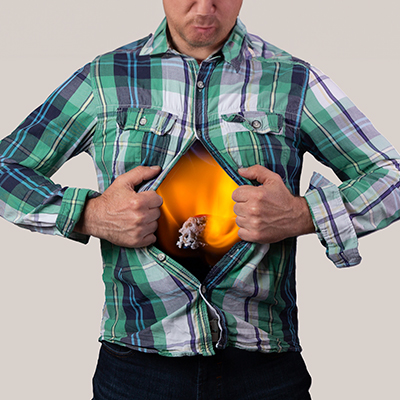
Careless or excessive use can trigger a stress response in your body. Since it is a stimulant, the nervous system reacts very strongly to an excess.

Typical signs of overdose
If you exceed your personal tolerance limit, this can manifest itself through various physical signals:
- Inner restlessness, nervousness, and a feeling of being driven
- A noticeably faster heartbeat or palpitations [4]
- Difficulty falling asleep and a shorter deep sleep phase
- Temporary gastrointestinal discomfort or heartburn
- Mild muscle tremors, especially in the hands
In addition, studies suggest that regular, daily use over a very long period of time can lead to tolerance [5]. Anyone who then abruptly stops taking them should expect temporary withdrawal symptoms such as headaches or lethargy.
Prior evaluation
Caffeine tablets are generally available over the counter, but this does not mean they are suitable for everyone without restriction. There are clear situations in which taking them is strongly discouraged or prior medical consultation is required.
Focus on specific risk groups
People with existing cardiovascular conditions, such as uncontrolled high blood pressure or cardiac arrhythmias, should avoid concentrated caffeine intake, as the stimulant places additional strain on the system. Extreme caution is also advised for those prone to anxiety or severe sleep disorders.
During pregnancy and breastfeeding, particularly strict guidelines apply: Too much caffeine can impair the development of the unborn child or, through breast milk, cause restlessness in the infant. If you regularly take prescription medications, please always check with your doctor’s office or pharmacy in advance for possible interactions.
The effect on headaches and mental processes
A frequently discussed topic is the use of caffeine in connection with neurological symptoms. In medicine, caffeine is specifically used in combination with traditional pain relievers, as it can positively influence the absorption of certain active ingredients in the body [6].
However, independent data also reveal the other side of the coin: In sensitive individuals or migraine patients, isolated caffeine can, under certain circumstances, act as a trigger and promote unwanted reactions [7]. Furthermore, in the brain, the substance merely blocks the receptors for adenosine, the body’s own fatigue signal [8]. If the body is fundamentally exhausted, the stimulant cannot mask this biological state in the long term, which can lead to noticeable exhaustion once its effects wear off.
Curious about other topics? Then take a look at our magazine:
- No coffee, but caffeine? What the guarana plant really makes possible
- Sleep better naturally with L-theanine, lemon balm, and passionflower to establish a new rhythm
- Awake in the moment, focused through long summer days with caffeine
- Get clear before it gets loud again – finding your way back to center with ginkgo, ginseng & bacopa
- Green tea and its plant-based ingredients
FAQ – Frequently Asked Questions

Are caffeine tablets prescription-only in Germany?
No, they are generally available over the counter as dietary supplements in stores, drugstores, or pharmacies. Only extremely high-dose specialty formulations are subject to stricter legal regulations.
Can you become dependent on caffeine tablets?
Yes, with prolonged and uncontrolled misuse, the body can develop a physical dependence. To avoid this, the tablets should be used specifically for exceptional situations and not become part of a daily routine.
Why do I feel tired even after taking a caffeine tablet?
This may be due to your individual genetics or an existing high tolerance to caffeine. If your receptors are permanently accustomed to the active ingredient, the noticeable effect will be significantly less pronounced.
Can I simply split a caffeine tablet if the dose is too high for me?
Yes, most tablets can be easily split in half using a pill splitter or along a score line to reduce the amount of active ingredient. This is actually a very smart way for beginners to slowly work their way up to their own tolerance limit.
Does it make a difference whether I take caffeine tablets with water or juice?
It doesn’t affect the effect itself, but you should always take the tablets with enough liquid so they can dissolve properly in your stomach. If you take them with a sugary juice, the rise in blood sugar may initially make the energy boost feel a bit stronger.
Can I take caffeine tablets every day on a long-term basis?
This is generally not recommended, as the body quickly develops a tolerance with daily use, and the desired effect becomes increasingly muted. It’s better to use the tablets as a targeted tool for stressful, exceptional situations, so you can give your system regular breaks.
Why do some caffeine tablets give me heartburn?
Although tablets, unlike coffee, do not contain any acid of their own, the caffeine itself stimulates the production of stomach acid in the body. If you have a very sensitive stomach, it’s best not to take the tablet on an empty stomach, but rather after a small meal.
How can I tell the difference between the various quality levels of caffeine tablets on the market?
Look for certified manufacturing standards (such as HACCP) and products that do not contain unnecessary artificial fillers or colorants. High-quality products also often use natural caffeine from plant extracts like guarana or coffee beans instead of synthetic ingredients.
[1] https://www.efsa.europa.eu/efsaexplainscaffeine
[2] https://www.ncbi.nlm.nih.gov/PMC6835847
[3] https://www.bfr.bund.de/koffein-kick-mit-risiko
[4] https://www.hausarztpraxis-am-romanplatz.de/blog-kaffee-histamin
[5] https://www.spiegel.de/studie-mit-vieltrinkern-kaffee-verliert-seine-muntermacher-wirkung
[6] https://www.aponet.de/wie-kaffee-die-wirkung-von-medikamenten-beeinflusst
[7] https://health.clevelandclinic.org/does-caffeine-cause-migraines
[8] https://www.ossendorfer-apotheke-koeln.de/Bilden-wir-uns-das-Wachsein-nach-dem-Kaffee-nur-ein?