Taking Vitamin C the Right Way: Dosage, Time of Day & the Best Tips for Your Daily Life
You’ve found the right product, but now you’re standing in front of your kitchen cabinet wondering: When is the best time to take it? Is one capsule in the morning with breakfast enough? Does ascorbic acid work better on an empty stomach? Or should you spread your dose out throughout the day?
Especially with water-soluble vitamins, the milligram amount printed on the label isn’t the only factor determining the benefit to your body. How much ascorbic acid your body actually absorbs depends largely on the absorption capacity of your intestinal lining, the chosen dosage form, and smart combinations with other nutrients. At the same time, there are many misconceptions circulating about overdose, stomach sensitivity, and the alleged need for extremely high single doses.
In this practical guide, you’ll learn everything about your actual daily needs, the optimal time to take it, and how to make your intake even more tolerable through simple adjustments to your daily routine. You’ll also find a fresh recipe for homemade ginger-turmeric shots to add variety to your morning nutrition routine.
What Is the Optimal Daily Intake of Vitamin C?
To understand how much vitamin C your body needs each day, the scientific intake recommendations from professional associations provide a reliable basis. Since the human body cannot synthesize ascorbic acid on its own, the daily requirement must be consistently met through diet or targeted supplements [1].
The German Nutrition Society (DGE) recommends the following guidelines for daily vitamin C intake in healthy individuals [2]:
- Men: 110 mg per day
- Women: 95 mg per day
- Pregnant women (from the 4th month onward): 105 mg per day
- Breastfeeding mothers: 125 mg per day
- Female smokers (135 mg) and male smokers (155 mg): Due to higher metabolism-related oxidative processes, there is a measurably increased requirement in these cases [2].
Vitamin C Intake: The Best Time and Smart Routines
For optimal absorption, vitamin C intake depends not only on the amount but, above all, on the right approach in daily life.
Time of Day and Meals: In the Morning or Spread Out Throughout the Day?
Ascorbic acid can generally be taken flexibly. Many people prefer to take it in the morning or spread out over the morning, as vitamin C contributes to normal energy metabolism and helps reduce fatigue [3].
Those who are sensitive to pure ascorbic acid should always take capsules or powder with a meal and plenty of still water. Food reliably buffers the acidic pH in the stomach. A non-acidic alternative is buffered vitamin C (such as calcium ascorbate or magnesium ascorbate), which has a nearly neutral pH and is gentle on the gastrointestinal tract [4].
The Distribution Effect: Why Smaller Doses Are Better
The small intestine absorbs vitamin C via specialized, sodium-dependent transporters (SVCT1) [5]. With a single dose of about 100 mg, approximately 80 to 90 percent of the nutrient is absorbed. If, on the other hand, you take a single dose of 1,000 mg at once, the absorption rate decreases [5].
If you decide to take more than 200 to 500 mg per day, it is therefore physiologically advisable to spread the total dose over two to three servings throughout the day or to use sustained-release formulations.

Smart Combinations: Synergy with Plant-Based Iron
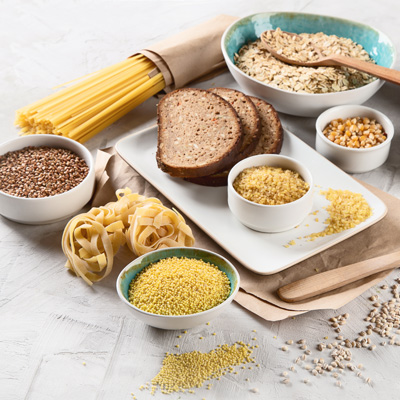
A significant benefit arises when taken with meals: Vitamin C converts plant-based, trivalent iron in the gastrointestinal tract into highly soluble bivalent iron and significantly improves its absorption into the intestinal cells [6]. When you consume iron-rich plant-based foods such as oatmeal, lentils, or millet, a glass of freshly squeezed juice or your vitamin C supplement optimizes the utilization of this trace element.
Causes and Consequences of a Vitamin C Overdose
Is it possible to consume too much vitamin C, and what are the potential consequences of excessive amounts? Since it is a water-soluble vitamin, the body’s tissues do not store unlimited reserves. Excess amounts are excreted in the urine once the renal threshold is reached [5]. Nevertheless, there are clear physiological upper limits for daily intake.
Tolerable Total Intake and Gastrointestinal Symptoms
The European Food Safety Authority (EFSA) and the German Federal Institute for Risk Assessment (BfR) classify an additional daily intake of up to 1,000 mg of ascorbic acid via dietary supplements as safe for healthy adults [7].
If this limit is significantly exceeded, unabsorbed ascorbic acid remains in the intestine. This binds water through osmotic action and can lead to symptoms typical of an acute vitamin C overdose:
- Loose stools and osmotic diarrhea
- Stomach cramps and bloating
- Nausea and heartburn
Once the dosage is reduced, these symptoms usually subside quickly.
Kidney Stones and Risk Factors
A portion of the ascorbic acid circulating in the body is broken down into oxalic acid and excreted by the kidneys. A prolonged, massive overdose of several grams daily can increase the risk of calcium oxalate kidney stones in predisposed individuals [8]. People with impaired kidney function or a tendency toward kidney stones should therefore only take high doses after consulting their treating physician.

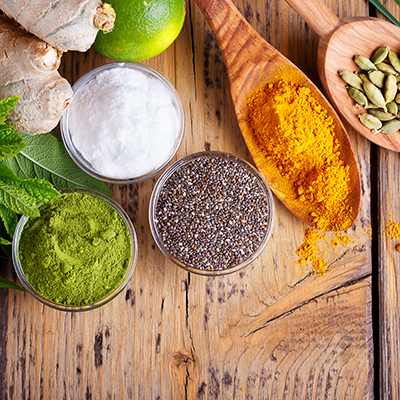
Do-It-Yourself: Energizing Ginger-Turmeric Shot with Vitamin C
You can easily make a fresh nutrient boost for your morning routine in just a few simple steps. This shot combines the natural spiciness of the roots with fresh vitamin C from citrus fruits.
Ingredients (for about 6 servings)
- 80 g fresh organic ginger
- 30 g fresh organic turmeric (or 1 level teaspoon turmeric powder)
- 2 juicy oranges
- 1 fresh lemon
- 1 pinch of freshly ground black pepper (contains piperine for optimal absorption of turmeric)
- 1 teaspoon virgin flaxseed oil or olive oil (to aid absorption of fat-soluble compounds)
- Optional: 1 tablespoon honey or agave syrup
Preparation
1. Wash the organic ginger and organic turmeric thoroughly. With organic produce, there’s no need to peel them; simply cut off any woody parts and roughly chop the roots. (Tip: Wear gloves when handling turmeric to avoid staining.)
2. Cut the oranges and lemon in half and squeeze out all the juice.
3. Place the fruit juices in a high-powered blender along with the ginger and turmeric pieces, a pinch of black pepper, the teaspoon of vegetable oil, and, if desired, a little honey.
4. Blend on the highest setting for about 45 to 60 seconds until smooth and creamy.
5. Strain the mixture through a fine-mesh kitchen strainer into a sterile glass bottle to catch any solid fiber residue, then seal tightly.
6. Store in the refrigerator and give it a quick shake before each use. The shot will keep for about 4 to 5 days when refrigerated. Enjoy a glass (about 40 to 50 ml) every morning as part of your breakfast routine.
Curious about other topics? Then take a look at our magazine:
- Preventing Vitamin C Deficiency: A Breakdown of Foods, Symptoms, and Daily Requirements
- Taking Selenium the Right Way: Dosage, Daily Requirements, and Side Effects Explained
- A Regional Vitamin C Wonder: Why Rosehips Will Surprise Your Immune System
- How Does Selenium Really Work? An Explanation of How It Functions in the Body
- Constantly Stinging Nose? How to Stop a Dry Nasal Lining and Boost Your Immune System
FAQ – Frequently Asked Questions

How much vitamin C per day is recommended for healthy adults?
The official daily recommended intake is 95 mg for women and 110 mg for men, while people who smoke have a higher requirement [2].
When is the best time to take vitamin C?
It is best to take it in the morning or late morning with a meal and water to promote stomach tolerance and nutrient absorption.
What happens if there is too much vitamin C in the body?
A healthy body excretes excess amounts through the kidneys; very high single doses can cause osmotic diarrhea or stomach cramps [5].
What is meant by buffered vitamin C?
In this form, ascorbic acid is bound to alkaline minerals such as calcium, resulting in a stomach-friendly, acid-neutral pH level [4].
Does vitamin C improve the absorption of iron from food?
Yes, vitamin C converts plant-based non-heme iron into a bioavailable form and facilitates its passage through the intestinal mucosa [6].
Are daily doses of 500 to 1,000 mg harmful?
For healthy adults, supplemental doses of up to 1,000 mg are considered safe; however, if you have a sensitive stomach, these doses should be taken in divided doses [7].
Who should exercise caution with high-dose supplements?
People with kidney stones, reduced kidney function, or iron storage disorders should consult a doctor before taking high doses [8].
Why should higher doses be spread out over the course of the day?
Since the transporters in the intestinal mucosa become saturated once a certain amount is reached, spreading out the dose measurably increases the percentage absorption rate [5].
[1] https://ods.od.nih.gov/VitaminC-HealthProfessional
[2] https://www.dge.de/vitamin-c
[3] https://eur-lex.europa.eu/CELEX:32012R0432
[4] https://wissen.forumviasanitas.org/Nährstoff-Tipp_VitaminC
[5] https://www.vitalstoff-lexikon.de/Definition-Synthese-Resorption-Transport-und-Verteilung
[6] https://www.vitalstoff-lexikon.de/VitamineA-C-D-E-K/Vitamin-C/Interaktionen
[7] https://www.bfr.bund.de/hoechstmengenvorschlaege-fuer-vitamin-c
[8] https://urologische-stiftung-gesundheit.de/vitamin-c-nierensteine